


 US Dollar Near Two-Month Low as Markets Await Inflation Data
  Asian Stocks Rise as Weak US Jobs Data Eases Fed Rate Hike Fears
  Oil Prices Rise as Hormuz Reopening Remains Uncertain
  Japan Posts First Current Account Deficit in 17 Months as Dividend Payments Surge
  UK Retail Sales Rise as World Cup and Heatwave Boost Food, Pubs and Clothing
  Yen Stabilizes After Intervention Slide as Australian Dollar Hits Eight-Week High
  Asian Currencies Steady as Markets Await U.S. Inflation Data
  Gold Prices Rise as Fed Rate Hike Bets Ease
  Australian Shares Fall as Westpac Slides, Miners Gain Ahead of RBA Decision
  US Stock Futures Flat as Iran Strait of Hormuz Demands Fuel Oil Concerns
  Japan Executives Warn Weak Yen and Currency Volatility Threaten Economy
  Gold Prices Hold Near Seven-Week High as Markets Await U.S. Inflation Data
  England Drought Expands to 71% as Heatwave Deepens Water Crisis
  Australia Housing Crisis Deepens as Worker Shortages Delay Homebuilding
  Oil Prices Rise as US-Iran Talks Stall, Inflation Risks Grow
  Singapore Raises 2026 GDP Growth Forecast as AI Demand Fuels Economy
  Goldman Sachs Sees US Stock Buybacks Outpacing Equity Issuance as AI Funding Rises


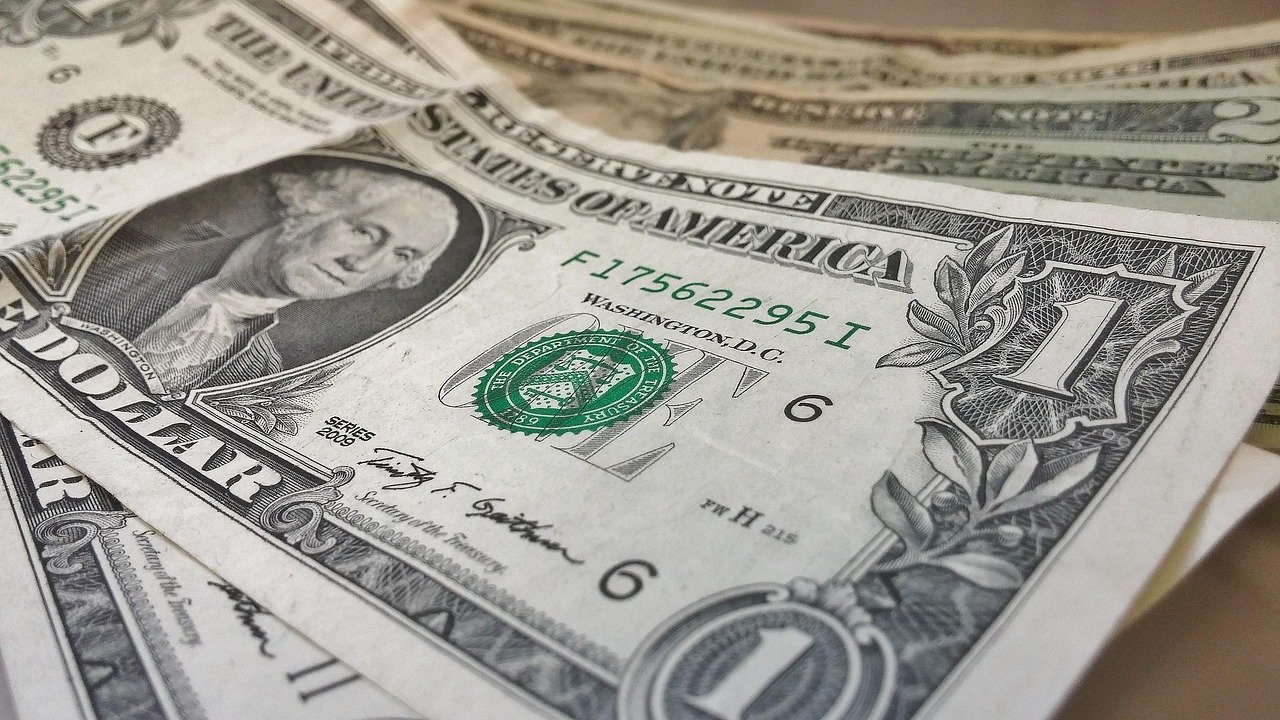
The U.S. dollar traded mostly flat in early Asian trading on Wednesday as investors focused on upcoming U.S. inflation data for clues about the Federal Reserve’s next interest-rate decision. Renewed attacks on shipping routes in the Middle East had limited impact on currency markets, although higher oil prices remain a key risk for inflation.
The Japanese yen was little changed at 159.275 per dollar, remaining near its weakest level of the month despite recent coordinated action by U.S. and Japanese authorities aimed at supporting the currency. The euro was steady at $1.1542, while the British pound held around $1.3508.
Among commodity-linked currencies, the Australian dollar remained near $0.7064 and the New Zealand dollar traded around $0.5879. Investors were also monitoring political developments in New Zealand as Prime Minister Christopher Luxon met with National Party lawmakers amid speculation about his leadership ahead of the country’s next general election.
The biggest market catalyst is Wednesday’s U.S. inflation report. Traders are looking for signs that price pressures are easing, which could influence expectations for Federal Reserve interest rates. Recent weaker-than-expected U.S. employment data have increased uncertainty over the central bank’s policy path.
ING analysts said inflation could continue moderating through the rest of 2026 if oil prices remain under control and shipping through the Strait of Hormuz returns to normal. However, geopolitical tensions could complicate that outlook by pushing energy prices higher.
Brent crude rose about 0.6% to $89.40 a barrel after fresh attacks disrupted shipping near the Bab el-Mandeb Strait and the Strait of Hormuz.
Federal Reserve Bank of Chicago President Austan Goolsbee said inflation remains a greater concern than labor-market weakness, adding to uncertainty about future policy. Fed funds futures currently show traders almost evenly split, with a 52% probability of unchanged rates and a 48% chance of a 25-basis-point increase at the September meeting.
In crypto markets, Bitcoin slipped 0.2% to $63,554, while Ethereum fell 0.1% to $1,879.







