


 Wall Street Slips as Oil Prices Surge 5% on Iran-Hormuz Uncertainty
  England Drought Expands to 71% as Heatwave Deepens Water Crisis
  Dollar Steady as Markets Await U.S. Inflation Data
  Gold Price Hits Two-Month High as Investors Await US Inflation Data
  Gold Prices Hold Near Seven-Week High as Markets Await U.S. Inflation Data
  European Stocks Flat as Oil Prices Rise, US CPI in Focus
  Yen Stabilizes After Intervention Slide as Australian Dollar Hits Eight-Week High
  Singapore Raises 2026 GDP Growth Forecast as AI Demand Fuels Economy
  S&P 500, Nasdaq Slip as Oil Jumps on Iran Tensions
  Oil Prices Rise as Hormuz Tensions Threaten Global Supply
  South Korean Won Leads Asian FX Losses as Dollar Rises
  UK Retail Sales Rise as World Cup and Heatwave Boost Food, Pubs and Clothing
  Oil, Gold Rise as Geopolitical Risks Grip Markets Ahead of U.S. CPI
  Iran War Escalates as US, Houthis Target Ships Near Key Oil Routes
  Trump Weighs Capital Gains Tax Cuts Ahead of Midterms
  Singapore Raises 2026 GDP Growth Forecast to 4.5%-5.5% as AI Boom Fuels Economy


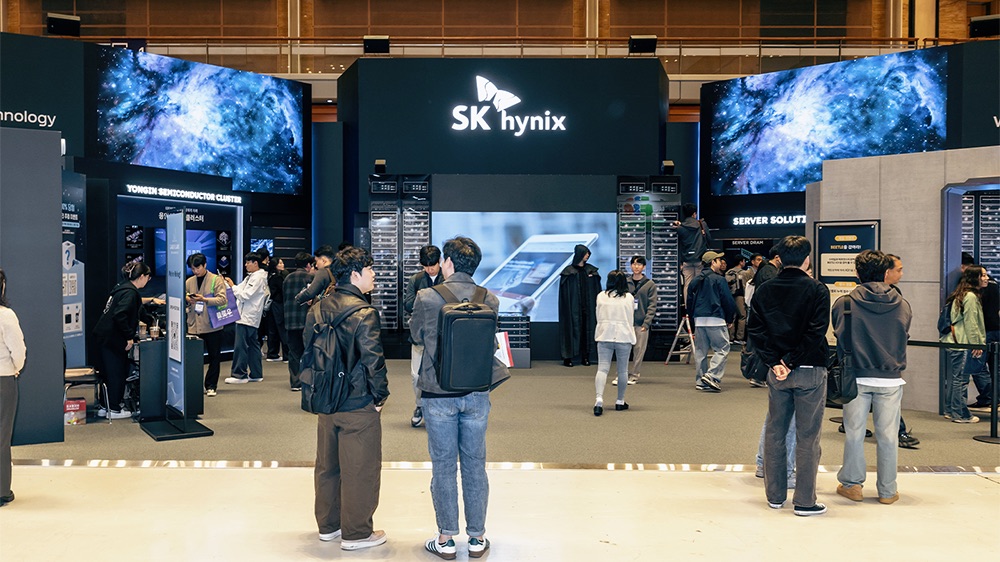
Asian stocks mostly advanced Wednesday as renewed strength in technology and semiconductor shares boosted markets in South Korea and Japan. However, higher oil prices and uncertainty surrounding U.S.-Iran negotiations kept investors cautious ahead of key U.S. inflation data.
South Korea’s KOSPI led regional gains, surging more than 4%, supported by a powerful chip-stock rally. Samsung Electronics jumped over 7%, while SK Hynix gained around 7% amid reports that Singapore state investor Temasek is considering direct investments in both semiconductor companies.
AI optimism also strengthened after CoreWeave reported better-than-expected sales growth, sending its shares sharply higher in extended U.S. trading. Super Micro Computer also gained after issuing a revenue forecast above expectations. Meanwhile, Nvidia announced partnerships with six major financial institutions aimed at mobilizing more than $500 billion in third-party capital for AI infrastructure.
Japan’s Nikkei 225 gained about 0.5%, with semiconductor-related stocks including Kioxia Holdings, TDK and Murata Manufacturing advancing. Chinese markets also moved higher, with the CSI 300 rising roughly 0.6% and the Shanghai Composite adding around 0.2%. SMIC, Cambricon Technologies, Luxshare Precision and NAURA Technology were among the notable technology gainers.
Hong Kong bucked the regional trend. The Hang Seng fell more than 1% as major technology stocks Alibaba, Tencent, NetEase, JD.com and Meituan declined.
Elsewhere, Australia’s S&P/ASX 200 dropped around 0.7% after the Reserve Bank of Australia maintained its cash rate at 4.35%. Indian and Singaporean stocks also traded lower.
Oil prices remained another key market concern as uncertainty over the Strait of Hormuz continued. Brent crude extended its rally to a sixth consecutive session, trading near $89.44 per barrel amid ongoing tensions between Washington and Tehran.
Investors are now focused on the U.S. Consumer Price Index report. July headline CPI is forecast to rise 0.1% month-on-month and 3.4% annually, while core inflation is expected at 2.5% year-on-year. A softer U.S. inflation reading could reduce pressure on the Federal Reserve as markets weigh interest-rate risks against rising energy costs.







