


 Dollar Hits Two-Month High as Fed Rate Hike Bets Rise
  Soybean Futures Slip as Traders Await Trump-Xi Trade Signals
  Gold Drops Over 1% as Dollar, Treasury Yields Surge on Fed Rate Hike Bets
  Mexico-US Trade Talks Delayed to October as Tariff Negotiations Continue
  Trump, Xi Focus on Trade and AI at White House Summit
  Fed Unveils Stablecoin Rules Under GENIUS Act
  Russian Envoy Dmitriev Heads to US for Ukraine Talks
  Japan Private-Sector Growth Slows as Domestic Demand Weakens
  US Stock Futures Fall as Treasury Yields Surge Ahead of Trump-Xi Summit
  U.S. Treasury Yields Surge as 30-Year Hits 22-Year High
  South Korea, US Discuss Warship Building Cooperation
  Oil Prices Surge as U.S.-Iran Diplomacy Hopes Fade
  U.S. 10-Year Treasury Yield Hits 2007 High as Fed Rate Hike Bets Rise
  Wall Street Ends Flat as Oil, Treasury Yields and Fed Jitters Rattle Markets
  US Dollar Hits Two-Month High as Fed Rate Hike Bets Rise
  Gold Prices Fall as Treasury Yields Rise on Fed Rate Hike Bets
  European Stocks Slip as Iran Tensions Offset Strong Eurozone Data


 Add as a preferred source on Google
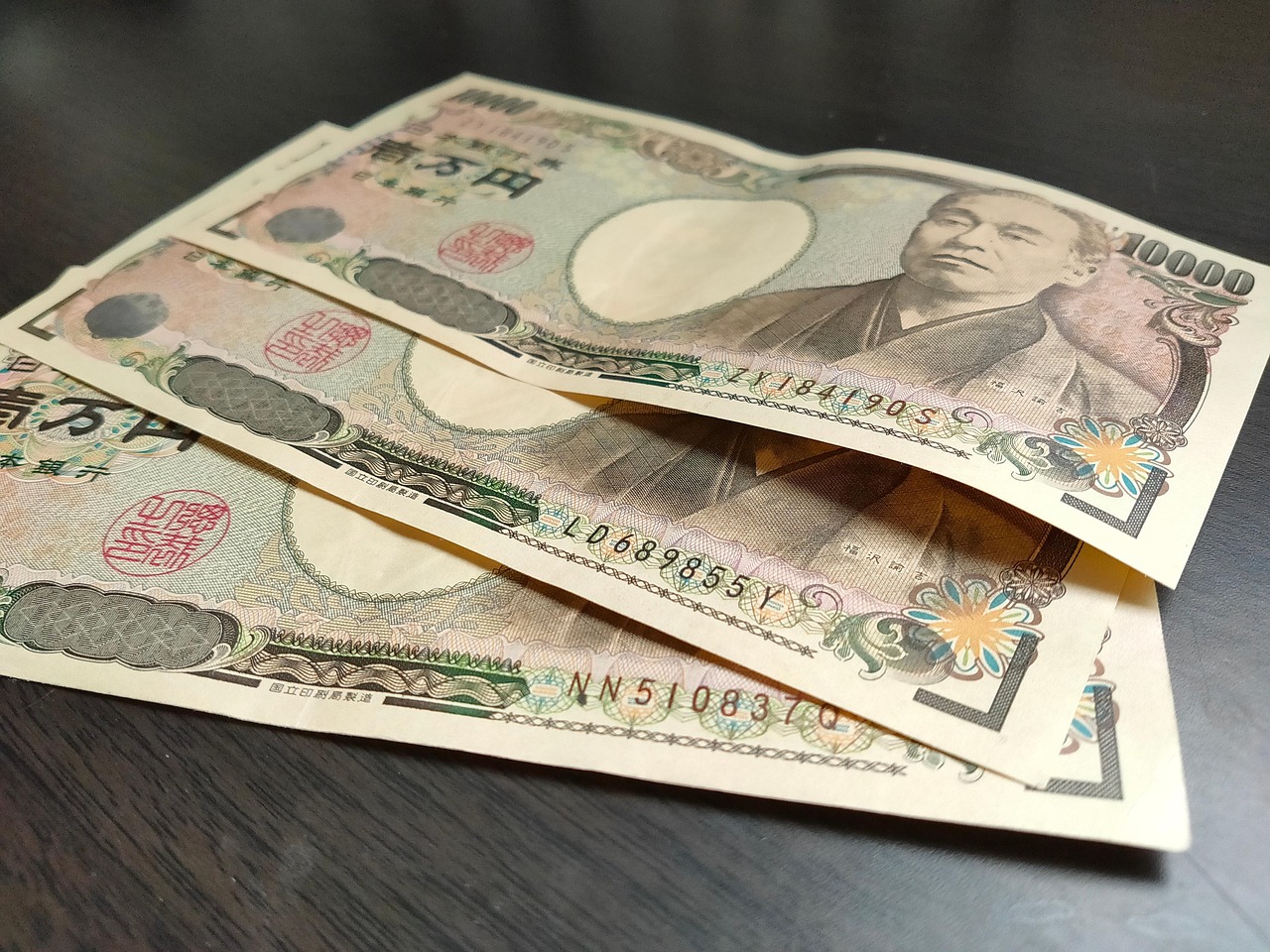
Asian currencies traded mostly steady on Monday after suffering losses in the previous session, as investors assessed the implications of stronger-than-expected U.S. employment data and rising geopolitical tensions in the Middle East. The U.S. dollar remained supported near a two-month high, reflecting expectations that the Federal Reserve may keep interest rates elevated for longer.
The U.S. Dollar Index held close to recent highs during Asian trading hours after surging 0.7% on Friday. Meanwhile, U.S. Dollar Index futures remained largely unchanged as markets continued to digest the latest economic data.
Investor sentiment shifted after the U.S. economy added 172,000 jobs in May, significantly surpassing market forecasts. The stronger labor market report reinforced expectations that the Federal Reserve could maintain a restrictive monetary policy stance and potentially implement another interest rate increase before the end of the year. As a result, traders increased their bets on a future Fed rate hike, providing further support for the U.S. dollar.
Among major Asian currencies, the Japanese yen remained under pressure, with the USD/JPY pair trading near 160.31, its highest level since late April when Japanese authorities intervened in the foreign exchange market. Investors also reviewed revised economic data from Japan, which showed first-quarter GDP growth slowing to an annualized 1.8%, below the preliminary estimate of 2.1%.
The South Korean won weakened after recent gains, while the Australian dollar edged slightly higher following a sharp decline on Friday. The Chinese yuan also softened, with the USD/CNY pair moving higher, while the Singapore dollar and Indian rupee posted modest losses against the greenback.
Market caution was further amplified by escalating tensions in the Middle East. Iran reportedly launched missiles toward northern Israel, prompting renewed concerns about regional stability. Ongoing uncertainty surrounding the Strait of Hormuz has raised fears about potential disruptions to global energy supplies and increased inflation risks, enhancing demand for the U.S. dollar as a safe-haven asset.
Looking ahead, investors are closely monitoring upcoming U.S. consumer price index (CPI) and producer price index (PPI) reports. These key inflation indicators are expected to provide additional insight into the Federal Reserve’s future interest rate decisions and could significantly influence currency market movements in the days ahead.







