


 Japan Private-Sector Growth Slows as Domestic Demand Weakens
  RBI Uses $10 Billion Currency Swaps to Drain Excess Rupee Liquidity
  Mexico-US Trade Talks Delayed to October as Tariff Negotiations Continue
  European Stocks Fall as Bond Yields and Geopolitical Risks Weigh
  Canadian Dollar Faces Pressure as Fed-BoC Policy Gap Widens
  China’s ‘Lipstick King’ Says AI Won’t Replace Livestream Hosts
  U.S. Treasury Yields Surge as 30-Year Hits 22-Year High
  Dollar Holds Near Two-Month High as Yen Approaches 160
  Asian Stocks Fall as Surging Bond Yields Rattle Markets
  Fed Unveils Stablecoin Rules Under GENIUS Act
  Oil Prices Fall on U.S.-Iran Hormuz Deal Hopes
  Australia Unemployment Hits Five-Year High Despite Strong Jobs Growth
  Asian Currencies Mixed as Dollar Holds Near Two-Month High
  Oil Prices Ease as Iran Tensions Clash With Diplomacy Hopes
  Fed’s Hammack Says Bond Yield Surge Is Not Driven by Inflation Fears
  Fed Unveils Stablecoin Rules Under GENIUS Act
  Soybean Futures Slip as Traders Await Trump-Xi Trade Signals


 Add as a preferred source on Google
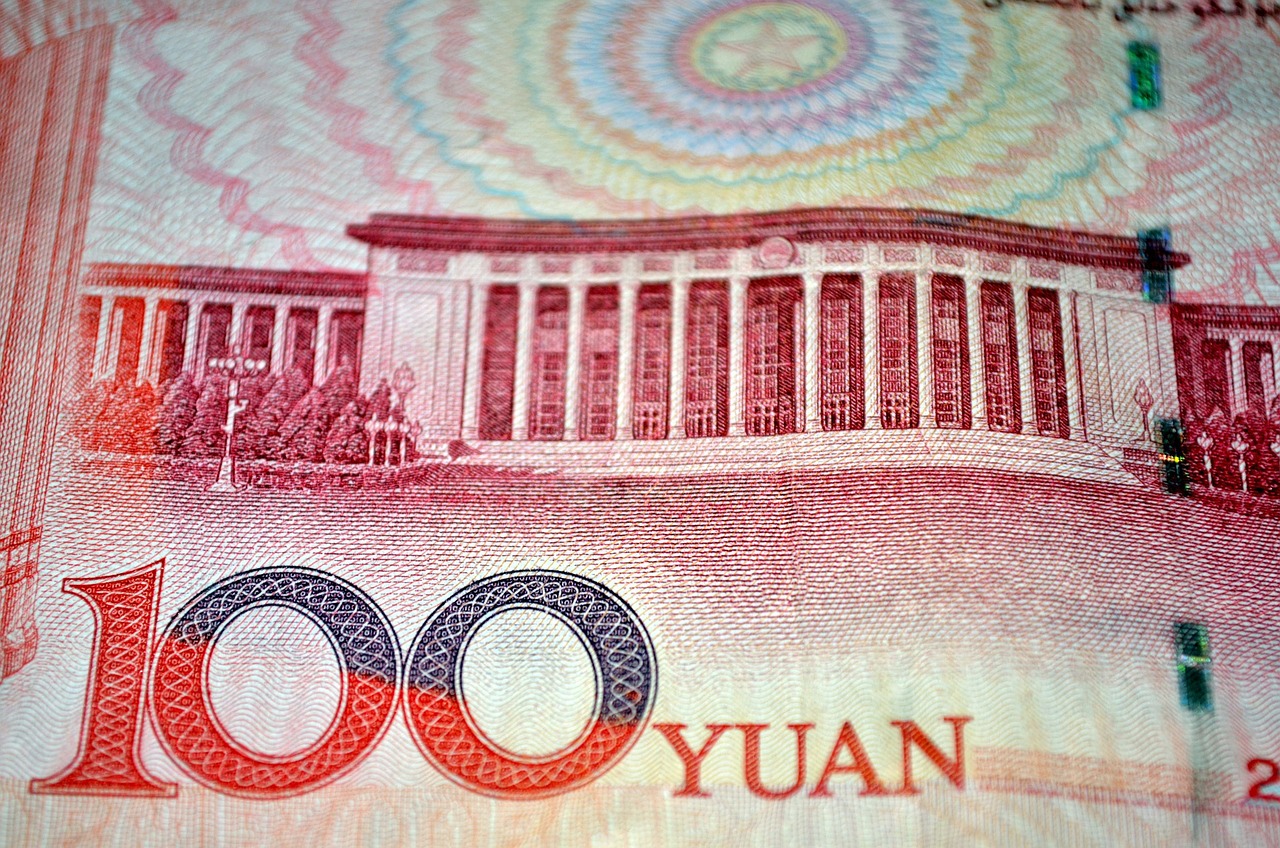
Most Asian currencies edged lower on Monday as investors assessed mixed signals on the Federal Reserve’s next policy move. The US Dollar Index held steady after a strong performance last week, keeping pressure on regional currencies. According to the CME FedWatch Tool, expectations for a 25-basis-point Fed rate cut in December rose sharply to about 69%, up from 44% a week earlier. This shift came after New York Fed President John Williams hinted that policy adjustments could be possible in the near term. Still, several Fed officials emphasized that inflation and labor market strength remain concerns, leaving December’s outcome uncertain.
Analysts at ING noted that the minutes from the October FOMC meeting showed many officials leaning against a December rate cut, suggesting that without key upcoming economic data, opinions are unlikely to shift significantly.
Across Asia, the Chinese yuan (USD/CNH) inched 0.1% higher, while the Singapore dollar (USD/SGD) rose 0.2%. The South Korean won (USD/KRW) dropped 0.5%, marking the biggest decline among regional currencies. The Australian dollar (AUD/USD) remained largely stable.
The Japanese yen (USD/JPY) continued to face downward pressure after touching multi-month lows last week. Expectations that the Bank of Japan may maintain or even ease monetary policy—combined with expansionary fiscal measures under new Prime Minister Sanae Takaichi—added to the yen’s weakness. Tokyo officials reiterated that currency intervention remains possible if volatility becomes excessive, offering limited support.
Meanwhile, the Indian rupee (USD/INR) strengthened 0.5% after sinking to a record low of 89.72 on Friday. Reports indicated that the Reserve Bank of India stepped in to stabilize the currency following a sharp sell-off triggered when the pair broke past the 88.80 level, which RBI had previously defended.
This latest currency movement reflects ongoing uncertainty in global monetary policy and shifting investor sentiment across Asian markets.







