


 Japan Private-Sector Growth Slows as Domestic Demand Weakens
  US, China Extend Trade Truce to Jan. 10 Ahead of Trump-Xi Summit
  Gold Drops Over 1% as Dollar, Treasury Yields Surge on Fed Rate Hike Bets
  Gold Prices Fall as Treasury Yields Rise on Fed Rate Hike Bets
  U.S. Dollar Hits Two-Month High as Oil, Treasury Yields Surge
  U.S. Treasury Yields Surge as 30-Year Hits 22-Year High
  Mexico-US Trade Talks Delayed to October as Tariff Negotiations Continue
  Soybean Futures Slip as Traders Await Trump-Xi Trade Signals
  Wall Street Ends Flat as Oil, Treasury Yields and Fed Jitters Rattle Markets
  US Stock Futures Fall as Treasury Yields Surge Ahead of Trump-Xi Summit
  Oil Prices Ease as Iran Tensions Clash With Diplomacy Hopes
  Oil Prices Surge as U.S.-Iran Diplomacy Hopes Fade
  US Dollar Hits Two-Month High as Fed Rate Hike Bets Rise
  Russian Envoy Dmitriev Heads to US for Ukraine Talks
  Fed Unveils Stablecoin Rules Under GENIUS Act
  China’s ‘Lipstick King’ Says AI Won’t Replace Livestream Hosts


 Add as a preferred source on Google
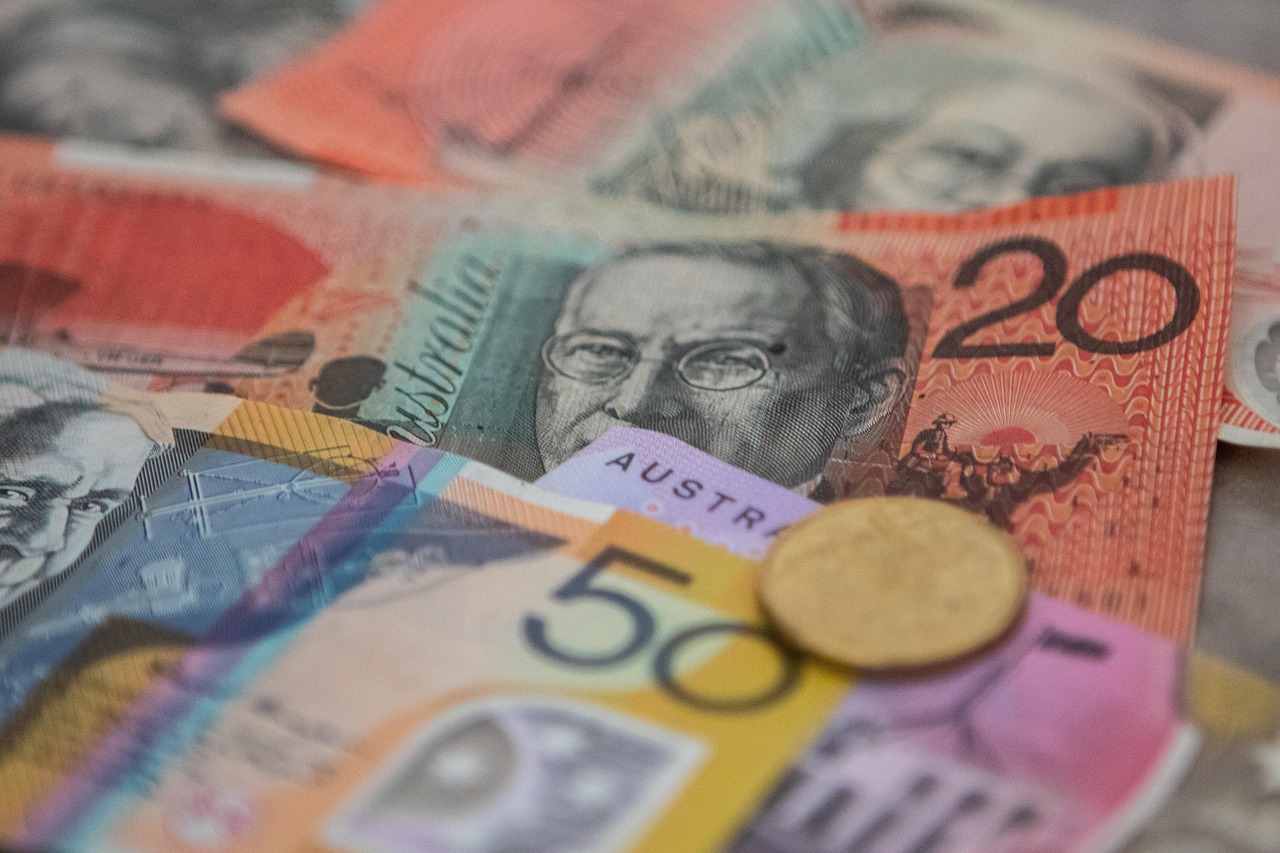
Asian currencies traded in mixed fashion on Tuesday as investors remained cautious over conflicting signals surrounding potential U.S.-Iran negotiations, while attention shifted to a busy week of U.S. economic data that could influence the Federal Reserve’s next policy decision.
The U.S. Dollar Index edged 0.1% higher during Asian trading after finishing largely unchanged in the previous session, reflecting cautious sentiment ahead of major economic releases.
The Japanese yen weakened slightly, with the USD/JPY pair rising around 0.3% to approximately 157.7. The move followed a sharp rally in the yen over the previous three sessions after Japan and the United States carried out a rare coordinated currency intervention to support the Japanese currency.
Market participants remained alert to the possibility of additional intervention. U.S. Treasury Secretary Scott Bessent recently said Washington would be prepared to join further coordinated action if foreign exchange markets became excessively volatile.
Geopolitical uncertainty also kept traders on edge. U.S. President Donald Trump said negotiations with Iran represented a "last chance" to reach an agreement, while Tehran denied that any talks were taking place or scheduled. The conflicting statements limited broader moves across Asian foreign exchange markets despite recent declines in oil prices.
Elsewhere, China's onshore and offshore yuan traded little changed. South Korea’s won strengthened modestly, pushing the USD/KRW pair lower by about 0.3%. The Singapore dollar eased slightly, with USD/SGD gaining 0.1%, while the Indian rupee remained broadly stable. The Australian dollar outperformed regional peers, with AUD/USD rising roughly 0.2%.
Investors are now focused on a series of key U.S. economic reports that could shape expectations for future Fed interest rate decisions. Tuesday’s calendar features the June JOLTS job openings report, trade balance, and factory orders.
Attention will then shift to Wednesday’s ADP private payrolls data and ISM Services PMI, followed by weekly initial jobless claims on Thursday. The week's biggest event arrives Friday with the July nonfarm payrolls report and unemployment rate, which investors will closely analyze for fresh evidence on the strength of the U.S. labor market after softer-than-expected June employment growth.







