


 Mexico-US Trade Talks Delayed to October as Tariff Negotiations Continue
  European Stocks Slip as Iran Tensions Offset Strong Eurozone Data
  US, China Extend Trade Truce to Jan. 10 Ahead of Trump-Xi Summit
  U.S. Dollar Hits Two-Month High as Oil, Treasury Yields Surge
  Japan Private-Sector Growth Slows as Domestic Demand Weakens
  China’s ‘Lipstick King’ Says AI Won’t Replace Livestream Hosts
  Oil Prices Jump 3% as Houthi Attack Revives Supply Fears
  Australia Unemployment Hits Five-Year High Despite Strong Jobs Growth
  Fed Unveils Stablecoin Rules Under GENIUS Act
  U.S. Treasury Yields Surge as 30-Year Hits 22-Year High
  Russian Envoy Dmitriev Heads to US for Ukraine Talks
  U.S. 10-Year Treasury Yield Hits 2007 High as Fed Rate Hike Bets Rise
  European Stocks Fall as Bond Yields and Geopolitical Risks Weigh
  Gold Drops Over 1% as Dollar, Treasury Yields Surge on Fed Rate Hike Bets
  Oil Prices Ease as Iran Tensions Clash With Diplomacy Hopes


 Add as a preferred source on Google
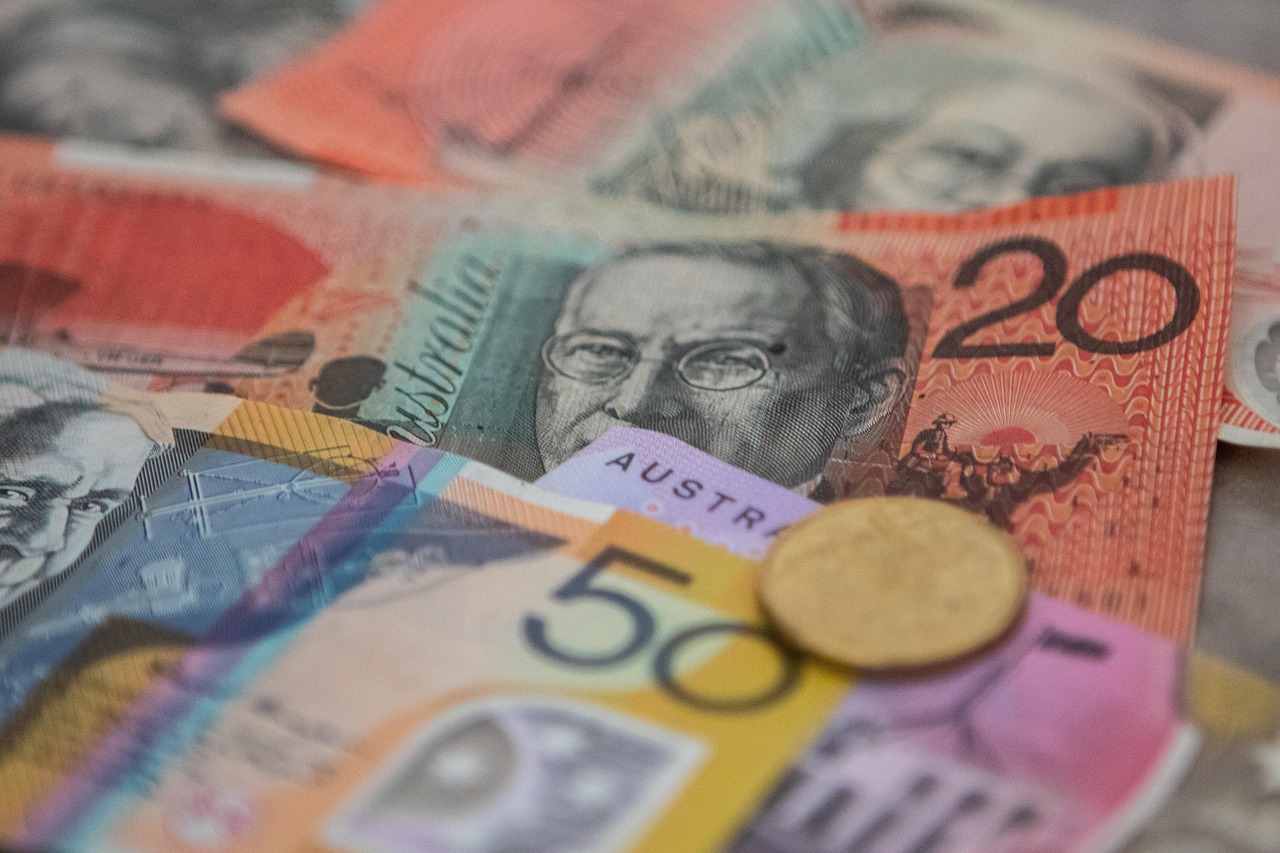
Asian currencies traded mixed on Friday while the U.S. dollar weakened slightly, as investors assessed growing optimism over a potential U.S.-Iran peace agreement and the latest signals on Federal Reserve interest rate policy.
The U.S. Dollar Index (DXY) fell 0.1% during Asian trading hours after dropping to a one-week low in the previous session. U.S. Dollar Index futures also edged down 0.1%, reflecting cautious market sentiment.
Investor confidence improved after U.S. President Donald Trump stated that a peace agreement with Iran could be reached as early as this weekend. The comments boosted risk appetite across global financial markets, although Iranian officials indicated that a final decision has not yet been made.
Expectations of easing geopolitical tensions pushed oil prices to their lowest level in nearly two months, raising hopes for more stable energy supplies and reduced pressure on global markets.
Among Asian currencies, the Indian rupee emerged as the strongest performer. The USD/INR pair fell 0.7%, supported by improving investor sentiment and a softer U.S. dollar. The Chinese yuan also strengthened, with USD/CNY declining 0.2%, while the Singapore dollar remained largely unchanged against the greenback.
The Australian dollar slipped 0.1% against the U.S. dollar after posting strong gains in the previous session. Meanwhile, the Japanese yen weakened slightly, with USD/JPY rising 0.2% to 160.25. The pair remains above the 160 level, a range that previously triggered currency intervention by Japanese authorities.
Market participants are also focused on next week's Bank of Japan meeting. Analysts widely expect the central bank to raise interest rates by 25 basis points to 1%, marking the highest Japanese interest rate level in decades.
Attention is also turning to U.S. inflation data and its impact on Federal Reserve policy. Recent producer price data showed stronger-than-expected growth in May, largely due to higher energy costs. However, core inflation remained relatively moderate, easing concerns about immediate monetary tightening.
According to CME FedWatch data, markets are currently pricing in roughly a 60% probability of a Federal Reserve rate hike by December, keeping traders closely focused on upcoming economic indicators and central bank guidance.







