


 Japan Private-Sector Growth Slows as Domestic Demand Weakens
  US Comfortable With Canada Trade Standoff as Import Bans Loom
  Japanese Yen Rebounds as Trump Flags Currency Weakness
  Fed Unveils Stablecoin Rules Under GENIUS Act
  Oil Prices Jump 3% as Houthi Attack Revives Supply Fears
  Trump, Xi Focus on Trade and AI at White House Summit
  Fed’s Hammack Says Bond Yield Surge Is Not Driven by Inflation Fears
  Fed Unveils Stablecoin Rules Under GENIUS Act
  Asian Stocks Fall as Surging Bond Yields Rattle Markets
  Oil Prices Ease as Iran Tensions Clash With Diplomacy Hopes
  Dollar Falls as Oil Eases, Yen Jumps on Intervention Signals
  Soybean Futures Slip as Traders Await Trump-Xi Trade Signals
  Asian Currencies Mixed as Dollar Holds Near Two-Month High
  Dollar Holds Near Two-Month High as Yen Approaches 160
  Australia Unemployment Hits Five-Year High Despite Strong Jobs Growth
  Gold Holds Near $4,275 as Rising Treasury Yields Fuel Fed Rate Hike Bets


 Add as a preferred source on Google
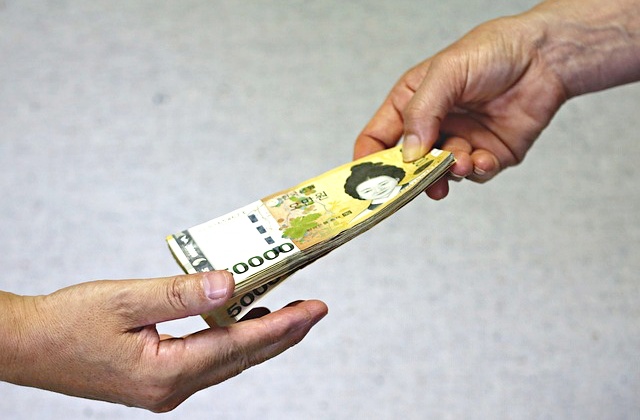
Asian currencies traded mostly flat on Tuesday as investors adopted a cautious stance ahead of the U.S. Federal Reserve’s policy meeting, which begins later in the day. Market participants are watching closely for signals from Fed Chair Jerome Powell and updated economic projections that could shape expectations for interest-rate moves in the coming months. The U.S. Dollar Index also saw limited movement during Asian trading hours, reflecting the broader wait-and-see sentiment across global foreign exchange markets.
Traders continue to lean toward the likelihood of a 25-basis-point rate cut, with futures markets pricing in an 87% chance of easing at the December 10 meeting. However, mixed messaging from Fed officials has introduced uncertainty, as policymakers have acknowledged lingering questions about the strength of the U.S. economy. This has left investors considering the possibility of a slower or more gradual rate-cut cycle rather than an aggressive shift in monetary policy.
Against this backdrop, most Asian currencies remained in tight ranges. The Japanese yen and Singapore dollar traded flat against the U.S. dollar, while South Korea’s won also saw little movement. India’s rupee strengthened slightly, rising 0.1%. In China, the onshore yuan held steady and the offshore yuan dipped 0.1%, reflecting modest shifts ahead of the Fed announcement.
The Australian dollar, however, bucked the region’s muted trend. The AUD/USD pair gained 0.2% after the Reserve Bank of Australia left its cash rate unchanged at 3.60%, a decision widely expected by markets. The RBA highlighted that inflation risks have tilted higher and noted that stronger-than-anticipated private demand could increase pressure on capacity. With underlying inflation still sticky, the central bank appears prepared to maintain a steady policy stance, pausing its recent easing cycle while it evaluates inflation’s persistence.
This measured approach from both the Fed and RBA keeps global currency markets focused on upcoming economic signals that could influence rate paths heading into year-end.







