


 Neuralink Expands Brain Implant Trials with 12 Global Patients
  SpaceX Pivots Toward Moon City as Musk Reframes Long-Term Space Vision
  Blue Origin New Glenn Rocket Explodes During Launch Pad Test, Delaying Space Ambitions
  Trump Signs Executive Order to Boost AI Research in Childhood Cancer
  Tabletop particle accelerator could transform medicine and materials science
  Jared Isaacman Confirmed as NASA Administrator, Becomes 15th Leader of U.S. Space Agency
  Trump and Merck KGaA Partner to Slash IVF Drug Costs and Expand Fertility Coverage
  Trump Administration to Launch Autism Initiatives Targeting Acetaminophen Use and New Treatment Options
  SpaceX’s Starship Completes 11th Test Flight, Paving Way for Moon and Mars Missions
  FDA Pilot Program Eases Rules for Nicotine Pouch Makers
  Blue Origin’s New Glenn Achieves Breakthrough Success With First NASA Mission
  Eli Lilly’s Inluriyo Gains FDA Approval for Advanced Breast Cancer Treatment


 Add as a preferred source on Google
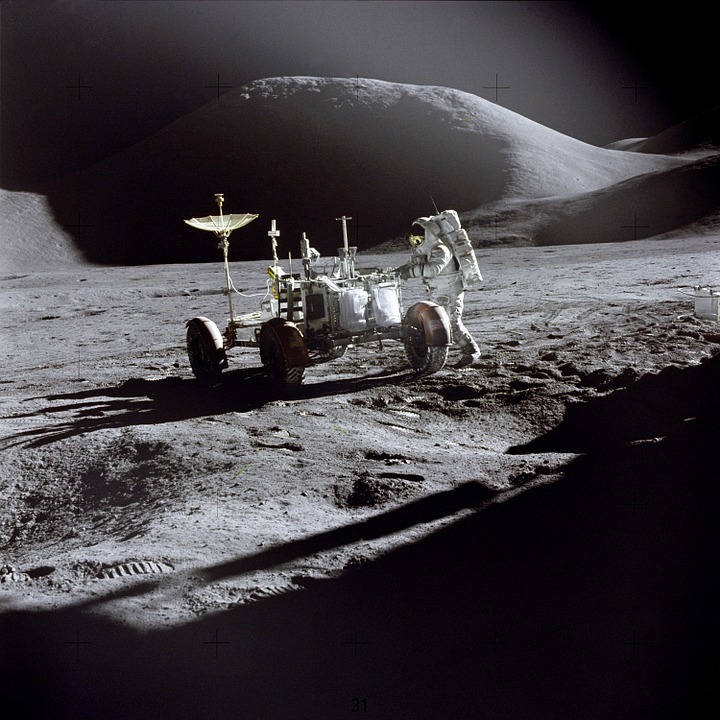
Until today, decades after the iconic Apollo 11 mission, many people are still skeptical about the incident and continue to claim that it was faked as well as staged. Now, a scientist who worked on the Apollo 11 mission debunks the claims once and for all.
Speaking to Express, former MIT computer scientist Paul Sakakeeny was overseeing the operating systems that NASA was to use during the Apollo 11 mission from the apps to the hardware and guidance. When it came to the claims that it was all a conspiracy theory and that it was fake, Sakakeeny said, “I can say unequivocally the Moon landings were real” He went on to explain as well that they made use of a simulation program to oversee and control all aspects of navigation of the Apollo 11 mission.
He then pointed out that at the time, there was a serious bug on the simulation, which was not noticed until the spacecraft landed on the moon. This malfunction resulted in the simulation showing that the lunar lander, the three astronauts: Neil Armstrong, Buzz Aldrin, and Michael Collins - were in, crashed onto the surface of the moon. “The simulation, when adjusted with the real flight data, attempted to land three feet into the Moon’s surface, crashing the lander. A fake landing would not have produced this,” said Sakakeeny.
Armstrong and Aldrin also experienced some computer issues inside the spacecraft at the time. Right before they made the landing, Armstrong contacted Mission Control about a reading he was getting from the computers, which turned out to be a warning of overloading systems.
Meanwhile, when it comes to the possibility of asteroids striking the planet sometime in the future, the European Space Agency or ESA is attempting to be prepared. They are in the process of working on their HERA program, which is a way to see if they can deflect a large asteroid that will make its way to Earth.
According to the agency’s Mark Scheper, who is spearheading the HERA program, “Currently we are working on a study to investigate the opportunity or possibility to deflect or deviate an asteroid if it’s on course for Earth.” The ESA has also partnered with NASA on this study, preparing to launch a satellite to look into asteroid mechanics and how they can deflect a potential collision.







