


 Baseten Secures $1.5 Billion Funding at $13 Billion Valuation Amid AI Infrastructure Boom
  US Appeals Court Allows Trump Military Enlistment Ban on Transgender Recruits, Protects Current Service Members
  Trump Forced Labour Tariff Plan Faces Criticism as Experts Question Effectiveness
  Today’s space race could turn fatal if we don’t agree on new rules
  Cerebras Revenue Forecast Tops Expectations, but Margin Concerns Weigh on Stock
  Oracle Cuts 21,000 Jobs as AI Reshapes Workforce and Cloud Expansion Accelerates
  NHTSA Investigates Fatal Tesla Model 3 Crash in Texas Amid Ongoing Autopilot and FSD Safety Scrutiny
  Google Gemini Co-Lead Noam Shazeer Leaves for OpenAI Amid AI Talent Race
  ASIC Launches Formal Investigation Into KPMG Australia Partners Over Client Data Misuse Allegations
  100+ Global Companies Push Governments to Prioritize Electrification for Economic Growth
  Trump Orders DOJ Investigation Into Exxon, Chevron Over High Gas Prices
  RFK Jr. Orders Extended Hantavirus Quarantine for Cruise Passenger
  Meta Pauses Employee Activity Tracking Program Over Data Security Concerns
  SK Hynix Moves Closer to New York ADR Listing Amid AI Chip Boom
  Heineken Names JDE Peet’s CEO Rafael Oliveira as New Chief Executive
  SEC Tokenized Stock Approval Still Expected as Regulatory Framework Advances
  US Raises Concerns Over Possible ASML EUV Machine Transfer to China


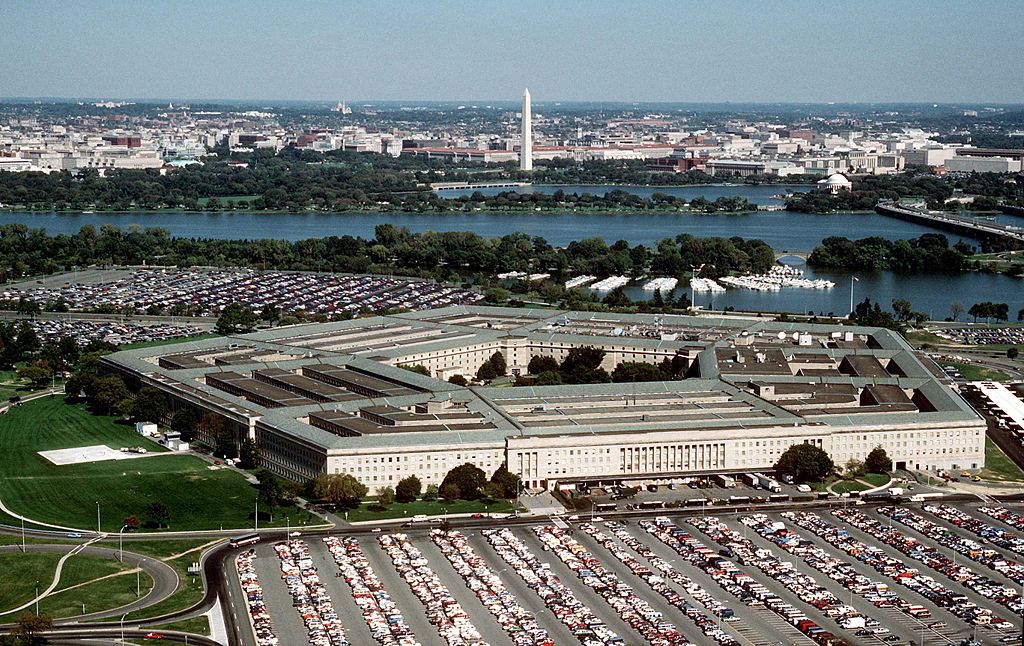
Anthropic CEO Dario Amodei said the company will not comply with a Pentagon request to remove critical AI safeguards, despite reported threats that the Department of Defense (DoD) could cut ties and block the firm from its systems. The dispute highlights growing tensions between AI ethics, national security, and government contracting.
The conflict centers on Anthropic’s refusal to lift built-in safeguards that prevent its artificial intelligence technology from being used for fully autonomous weapons or mass domestic surveillance. According to Amodei, these use cases were never part of Anthropic’s existing Department of Defense contract, which is valued at up to $200 million. He emphasized that the company believes such applications should not be added now.
Amodei stated that the Pentagon has indicated it will work only with AI companies that allow their models to be used for “any lawful purpose.” He also claimed the department warned it could label Anthropic a “supply chain risk” and potentially invoke the Defense Production Act to force removal of the safeguards.
“Regardless, these threats do not change our position,” Amodei said, adding that Anthropic cannot “in good conscience” agree to the request.
Pentagon spokesperson Sean Parnell responded publicly, saying the department has no intention of using AI for mass surveillance of Americans or developing autonomous weapons without human oversight. Instead, the Pentagon’s position is that it should be allowed to deploy Anthropic’s AI models for all lawful uses within its defense operations.
Anthropic, which is backed by Google and Amazon, remains open to discussions and says it is committed to maintaining operational continuity for U.S. defense personnel. However, Amodei acknowledged that the Department of Defense has the authority to select contractors aligned with its strategic vision. If the Pentagon chooses to remove Anthropic from its systems, the company says it will support a smooth transition to another provider.
The dispute underscores broader debates about AI regulation, military AI applications, and the ethical boundaries of advanced artificial intelligence in national defense.







