


 White House Bars CNN, MS NOW and Politico Reporters
  US Bans Canadian Alcohol, Motorcycles as Trade War Escalates
  South Korea to Brief Lawmakers on $350 Billion US Investment Package
  Asia Stocks Rise on AI Demand as Oil Eases
  SEC Seeks ISS Client Voting Records in Proxy Adviser Probe
  Nvidia-Groq AI Chip Deal Faces U.S. Antitrust Probe
  U.S. Imposes New Visa Restrictions Over South Africa Policies
  Who should own the knowledge that underpins AI technology?
  Nike Earnings at Risk as UBS Cuts Price Target to $42
  LVMH-Hermès Dispute Deepens Over Secret 2002 Share Deal
  U.S. Issues Cuba Health Alert as Illnesses Rise
  ICE Agent Arrested in Minneapolis Over Venezuelan Man Shooting
  Canada Eyes India Trade Deal by Year-End
  UK Home Asking Prices Rise for First Time Since May
  Oil Prices Rise as Houthi Strikes on Riyadh Fuel Middle East Tensions
  FDA Weighs Safety Standards for Psychedelic Therapies
  Trump Bans CNN, MS NOW and Politico From White House


 Add as a preferred source on Google
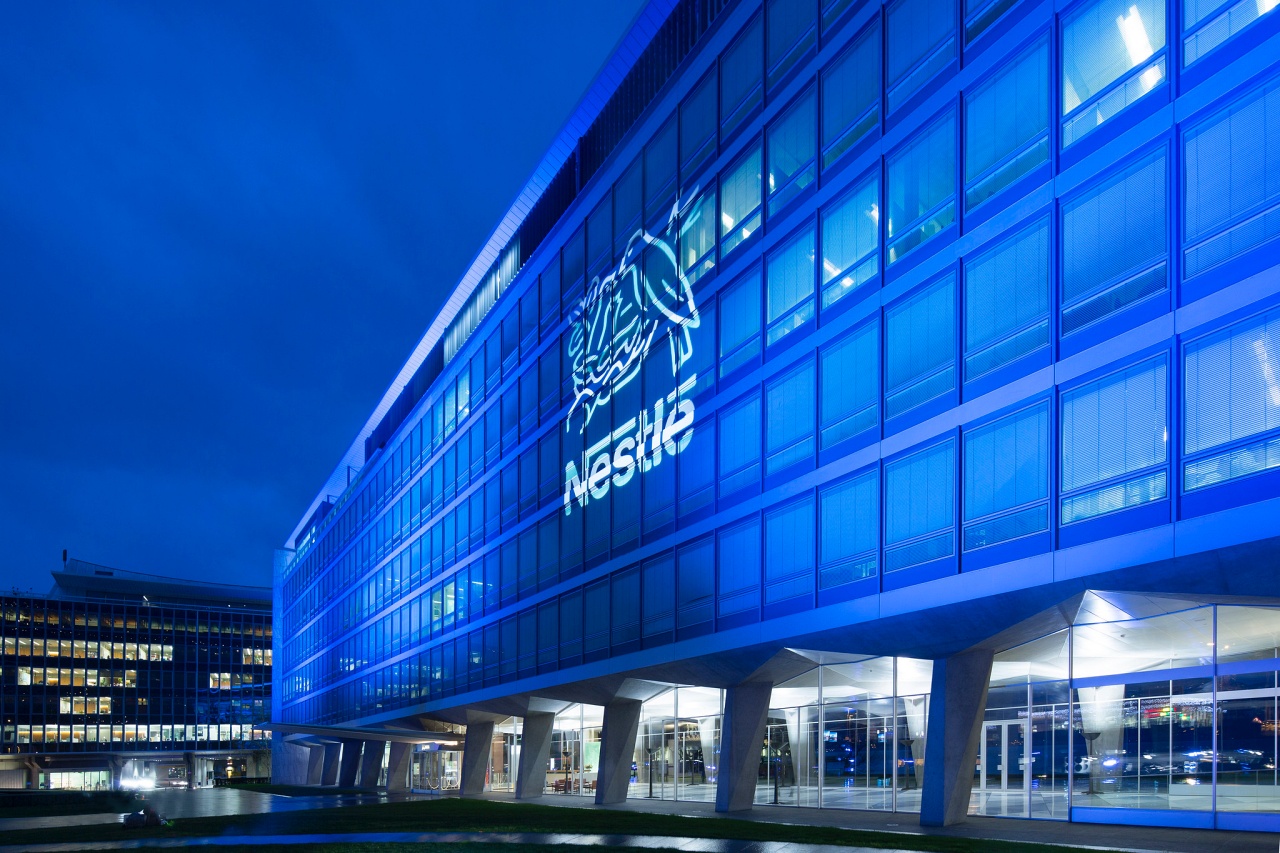
More than 100 major global companies, including Nestlé, Uber, IKEA, Volvo Cars, Iberdrola, Levi Strauss, Nikon Corporation, and Mahindra Group, are urging governments to place electrification at the heart of their economic and energy strategies. The call comes as businesses seek greater protection from volatile fossil fuel markets that continue to create uncertainty for industries worldwide.
In a joint statement supported by 112 companies with combined annual revenues of approximately $1.5 trillion, business leaders warned that dependence on fossil fuels exposes economies to price shocks, supply chain disruptions, and higher operating costs. The initiative was coordinated by the We Mean Business Coalition and the Global Renewables Alliance.
According to the statement, fluctuating fossil fuel prices undermine competitiveness and discourage long-term investment. Recent geopolitical tensions, including concerns surrounding the Iran conflict, have further highlighted the risks associated with reliance on traditional energy sources. Companies argue that expanding electrification can strengthen energy security, reduce costs, and improve economic resilience.
The business coalition emphasized that accelerating the transition to electric-powered systems will require strong government support. Key recommendations include modernizing electricity market structures, investing in grid infrastructure, streamlining permitting processes, and creating stable policy frameworks that encourage private-sector investment.
The appeal coincides with London Climate Action Week, where more than 75,000 participants, including policymakers, investors, and corporate executives, are expected to discuss climate and energy solutions. The initiative also aligns with Turkey’s push ahead of the COP31 climate summit to establish a global target for electricity to account for 35% of worldwide energy demand by 2035.
Businesses highlighted that many technologies needed for electrification in transportation, buildings, and industrial sectors are already commercially available. Expanding their adoption could reduce overall energy consumption while supporting emissions reduction goals.
Kim Hellström, Senior Sustainability Climate Manager at H&M, said predictable and supportive government policies are essential to scaling electrification efforts. Supporting this trend, a recent survey found that 90% of business leaders expect their operations to be significantly electrified within the next decade, reflecting growing confidence in the transition toward cleaner and more reliable energy systems.







