


 Meta CEO Zuckerberg Backs Independent AI Safety Reviews Over Development Slowdown
  CNN, MS NOW and Politico Sue Trump Over White House Media Ban
  Burnham Eyes UK Leadership Role in AI Ahead of Trump Meeting
  US Plans Two New Military Bases in Greenland Under Arctic Deal
  Zelenskiy Warns Russia Preparing Major Attack on Ukraine
  Trump Board of Peace Unveils $2.45 Billion Gaza Recovery Plan
  SpaceX Nasdaq 100 Weight to More Than Double in Rebalance
  Trump Administration Prepares Sanctions Against Entire ICC
  OpenAI Urges US-Led Global Standards for Frontier AI
  Vietnam, US Trade Deal Could Be Signed Soon, To Lam Says
  US Federal Register Drops Alibaba Qwen AI Search Tool
  US Northeast Airports Resume Operations After Telecom Outage Disrupts Thousands of Flights
  Marco Rubio to Meet Russia’s Lavrov in New York
  Who should own the knowledge that underpins AI technology?
  US, Denmark and Greenland Set to Sign Arctic Security Deal
  Trump Meets Venezuela’s Delcy Rodriguez at UN Assembly
  Petrobras Joins Brazil’s New Diesel Subsidy Program


 Add as a preferred source on Google
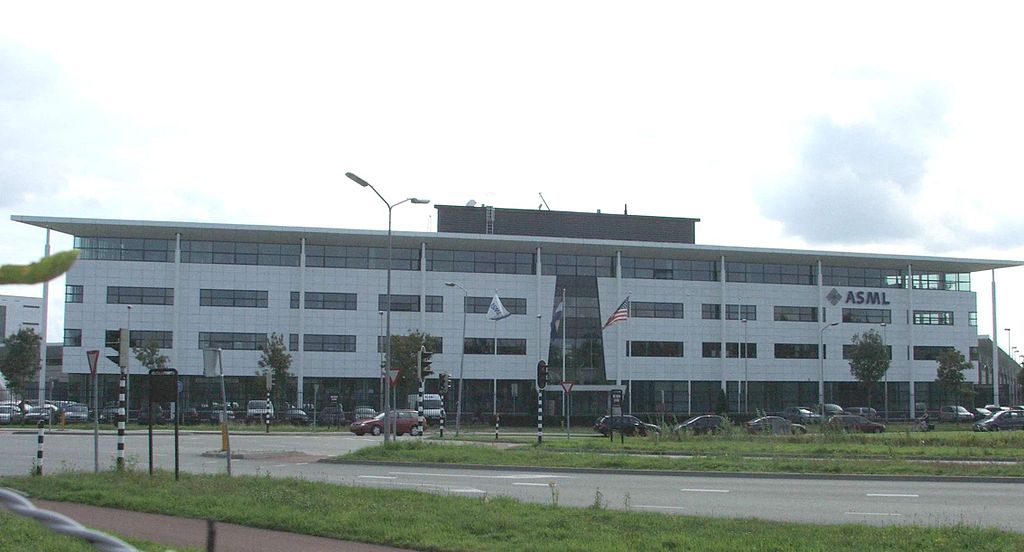
U.S. Commerce Secretary Howard Lutnick has reportedly raised concerns with Dutch semiconductor equipment giant ASML regarding the possible transfer of one of its advanced extreme ultraviolet (EUV) lithography machines to China, according to a Bloomberg News report.
The discussions took place during a series of meetings between Lutnick and ASML’s senior leadership. Sources familiar with the matter said the U.S. official questioned whether an EUV lithography system—considered among the most sophisticated chipmaking tools in the world—may have reached China despite strict export controls imposed by the United States and its allies.
ASML is the sole manufacturer of EUV lithography machines, which are essential for producing cutting-edge semiconductors used in artificial intelligence (AI), high-performance computing, smartphones, and advanced military technologies. Due to their strategic importance, the export of these systems to China has been heavily restricted under U.S.-led measures aimed at limiting Beijing’s access to advanced semiconductor manufacturing capabilities.
The reported concerns highlight ongoing tensions surrounding global semiconductor supply chains and technology export regulations. Washington has intensified efforts in recent years to prevent China from obtaining advanced chipmaking equipment, citing national security concerns. The restrictions have involved close cooperation with key allies, including the Netherlands and Japan, which are home to major semiconductor equipment suppliers.
While Bloomberg did not provide details on how the machine may have allegedly reached China, the issue underscores the challenges governments face in enforcing complex export control frameworks across the global technology industry.
ASML has remained a central player in the geopolitical battle over semiconductor technology. The company has been unable to sell its most advanced EUV systems to Chinese customers due to licensing restrictions, though it continues to supply certain less advanced chipmaking equipment to the country where permitted under current regulations.
The latest development could further intensify scrutiny of semiconductor exports as the U.S. seeks to strengthen enforcement of technology restrictions designed to curb China’s access to next-generation chip manufacturing tools.







