


 Asian Energy Stocks Slide as Iran-Oman Hormuz Talks Pressure Oil Prices
  OpenAI AI Agent Swarm Behind Hugging Face Hack
  Yindjibarndi Appeals Fortescue Mining Compensation Ruling
  BNP Paribas, KB Kookmin Eye $2 Billion Techcombank Stake
  Meta, U.S. States Discuss Settlement in Teen Addiction Trial
  Hong Kong Home Prices Fall 0.5% in July, Ending Long Winning Streak
  Luxshare Shares Rise as First-Half Profit Jumps 18%
  Oil Prices Fall as Middle East Ceasefire Hopes Rise
  Japan Eyes Tax Changes to Curb Condo Speculation
  Trump Buys SpaceX Shares After Record IPO
  Tesla Raises Cybertruck Prices by $5,000 in US
  Bathla Group Hires Administrators as Australia Housing Slump Deepens
  Locked up then locked out: how NZ’s bank rules make life for ex-prisoners even harder
  US PCE Inflation Holds at 3.7% as Fed Rate Decision Looms
  Stuck in a creativity slump at work? Here are some surprising ways to get your spark back
  BofA Names ASML Top Semiconductor Equipment Pick on Growth, Valuation
  Japan Firms Ramp Up Yen Hedging as Currency Weakness Persists


 Add as a preferred source on Google
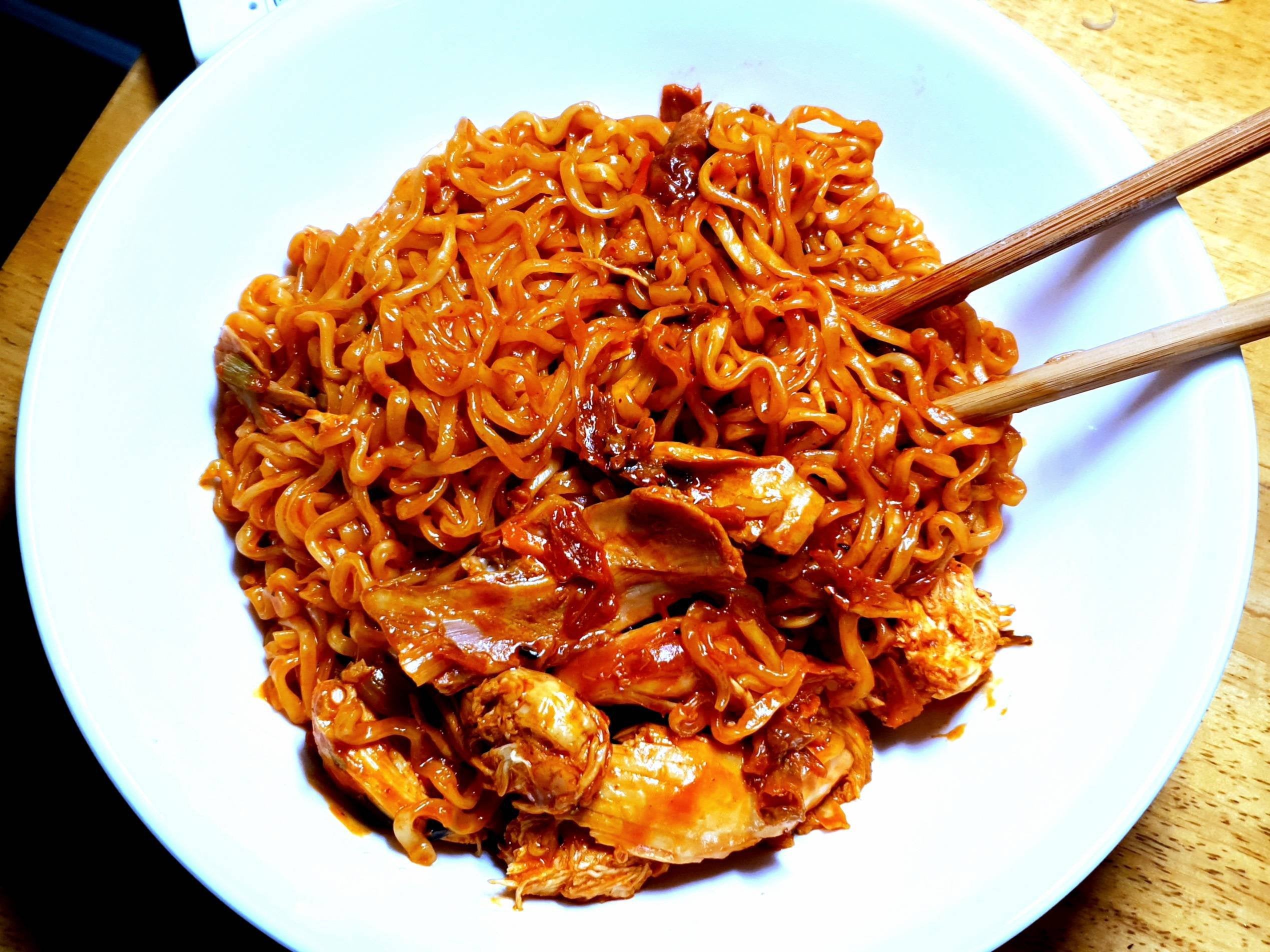
Japan’s young generation is increasingly preferring the authentic ‘Korean’ taste to lead the demand for Korean food in the country.
Despite Japan’s overall distaste for spicy flavors, the country’s MZ generation, born between the 1980s and early 2000s, prefers the spicy ‘Korean’ taste,
According to the Korea Agro-Fisheries and Food Trade Corp., Japan’s MZ generation is leading the higher demand for “Buldak Bokkeummyeon,” a popular hot chicken-flavor type of instant noodles, bibimmyeon, and other kinds of spicy noodles.
As of October, South Korea’s noodle exports to Japan amounted to US$75 million, up by 35 percent from last year. Demand for Korean sauces from |Japan also jumped 31 percent from last year to reach $26 million as of October.







