


 Meta Partners With Shopify to Bring Shop Pay Checkout to Muse AI
  China Reviews Broadcom Switch Use in State Data Centres
  SpaceX Nasdaq 100 Weight to More Than Double in Rebalance
  Trump Plans Federal AI Force and AI Czar
  SoftBank Launches $11 Billion Bond Sale to Fund OpenAI Investment
  Oracle Shares Fall as New Mexico AI Data Center Faces Power Delays
  China’s ‘Lipstick King’ Says AI Won’t Replace Livestream Hosts
  OpenAI to Preview GPT-6 Cyber AI Model for Cybersecurity
  BlackBerry Shares Rise as Q2 Earnings, Revenue Beat Estimates
  Burnham Eyes UK Leadership Role in AI Ahead of Trump Meeting
  Westinghouse Targets $50 Billion Valuation in U.S. IPO
  SoftBank Raises $11.1 Billion in Bond Sale to Fund OpenAI Investment
  Xi Calls for Deeper U.S.-China AI Cooperation in Trump Talks
  US Backs Musk in Fight Against EU’s €120 Million X Fine
  Microsoft Stock Upgraded as Stifel Sees Stronger Azure Growth
  SpaceXAI to Double Nvidia Chips at Colossus 2 by Year-End
  Former OpenAI Data Center Chief Chris Malone Joins Nvidia


 Add as a preferred source on Google
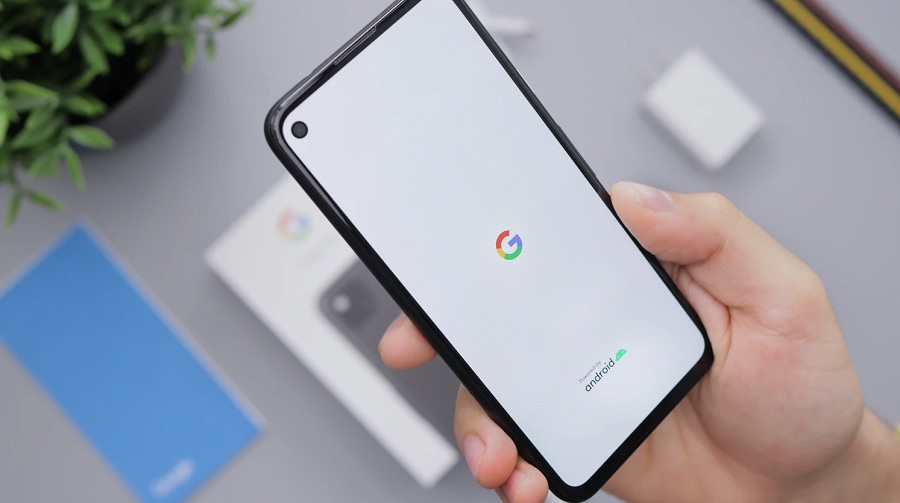
Online privacy has become one of the hot topics among tech consumers over the last few months, and Google is reportedly looking for ways to improve the Android operating system. However, Android users should not expect something as rigorous as Apple’s App Tracking Transparency (ATT) tool.
Google looks to update the Android OS with better privacy features
It is about time people started talking about online privacy, and more companies appear to begin listening as well. Bloomberg reported that Google is exploring ways to improve the Android OS privacy features. Some might say Apple’s widely discussed ATT rules prompted the move, but sources suggest the Android owner is not looking to implement something as strict as the new iOS 14 and iPadOS 14 feature.
Other businesses of Google also benefit greatly from targeted ads. It is then not surprising that the company opts for a more tame privacy feature than what Apple is implementing. The same report said Google is currently thinking of ways to “limit” how app developers can collect data and track users when using other apps and websites. But tipsters do not expect Google to offer the users an option that would ultimately stop data collection and tracking.
When would Google limit tracking activities on Android OS?
Google’s planned privacy policy changes for the Android OS is reportedly still in the early stages. It is unclear how it is going to be implemented, except for it being a less strict approach. The same report noted that Google has yet to finalize when to launch such a feature or if it would actually see the light of day. So it seems far-fetched to expect it on Android 12 later this year.
Android 11, which officially launched last fall, delivered some privacy changes. Again, they are not of the same level as Apple’s privacy-focused ATT, where users are given a choice to be tracked or not.
One of the notable changes in Android 11 is the automatic reset of app permissions when a user does not open an app after “a few months.” Google also introduced one-time app permissions last year, along with updates in allowing apps to access a user’s location information.
Featured photo by Daniel Romero on Unsplash







