


 NASA and Roscosmos Chiefs Meet in Florida to Discuss Moon and ISS Cooperation
  Neuralink Plans High-Volume Brain Implant Production and Fully Automated Surgery by 2026
  NASA Artemis II: First Crewed Moon Mission Since Apollo Takes Four Astronauts on 10-Day Lunar Journey
  U.S.-Iran Ceasefire: Fragile Truce Raises Hopes for Strait of Hormuz Peace Deal
  SpaceX Pivots Toward Moon City as Musk Reframes Long-Term Space Vision
  Global LNG Exports Drop 4% in Q1 2026 as Qatar Shutdown Reshapes Energy Markets
  Lost in space: MethaneSat failed just as NZ was to take over mission control – here’s what we need to know now
  Global Markets Waver as U.S.-Iran War Deadline Looms and Oil Prices Surge
  U.S. Stock Futures Surge as Trump Postpones Iran Strikes, Ceasefire Hopes Rise
  RBNZ Holds Rates at 2.25% as Middle East Conflict Fuels Inflation Concerns
  Cogent Biosciences Soars 120% on Breakthrough Phase 3 Results for Bezuclastinib in GIST Treatment
  Energy Prices and Dollar Climb as U.S.-Iran Conflict Grips Global Markets
  Blue Origin’s New Glenn Achieves Breakthrough Success With First NASA Mission
  Asian Currencies Rally as Dollar Weakens, Trump-Iran Ceasefire Boosts Risk Sentiment
  Trump-Iran Ceasefire Sends Dollar Tumbling as Global Currencies Surge
  China's Fermented Feed Push: Cutting Soybean Dependence Amid Trade War


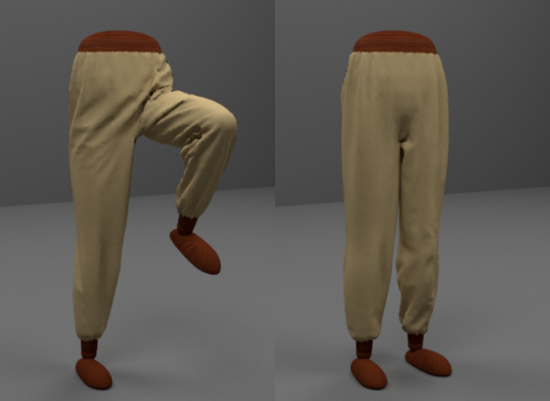
The Korea Electrotechnology Research Institute (KERI) has developed a device that allows clothes and shoes to produce electricity using their frictional forces and to store it.
The device has a self-charging nanogenerator that produces electricity using frictional force and has a micro super-capacitor power supply that stores the electricity and supplies it to other wearable electronic devices.
The KERI adopted the method of integrating single-wall carbon nanotubes, which have excellent electrical conductivity, with elastic polymers.
The newly-developed device is elastic in all directions while having strong enough durability to endure more than 10,000 uses in KERI’s in-house performance tests.
A possible application would be for hiking or climbing apparel that charges power supply devices to be used for flashlights and smartphones in emergencies.







