


 SoftBank’s LY Corp, Bain Raise Kakaku.com Bid to ¥670 Billion, Intensifying Takeover Battle
  Apple Expands iPhone Lineup, Boosts Foldable iPhone Production Plans Through 2027
  Asian Stocks Rebound as Tech Shares Rally on Fed Rate Cut Hopes and Easing Iran Tensions
  Goldman Sachs Says China Competition Weighs More on EU Growth Than Trade Deficit
  U.S. Dollar Drops as Weak Jobs Data Boosts Fed Pause Bets, Yen Jumps on Intervention Talk
  Gold Price Surges Above $4,120 as Weak US Jobs Data Lowers Fed Rate Hike Expectations
  Japan Signals Readiness to Act on Yen as Intervention Speculation Grows
  Trump Administration Declines USMCA Renewal, Opens Talks on New Trade Changes
  Asian Currencies Rise as Dollar Weakens; Yen Holds Steady Amid Japan Intervention Watch
  EU Chip Industry Faces Growing Risks From China Export Controls and U.S. Technology Dependence: Report
  Apple Eyes Chinese Memory Chips as AI Shortage Pressures iPhone Supply Chain
  Meta Stock Jumps as AI Cloud Expansion Challenges AWS, Microsoft, and Google
  Super Micro Employees Detained in Taiwan AI Server Export Investigation
  Denmark Central Bank Intervenes to Support Krone Peg Against Euro
  Mary Daly Says AI Uncertainty Clouds Fed Rate Outlook Despite Restrictive Policy
  Anthropic Tightens AI Access Controls After Reports of China-Based Workarounds


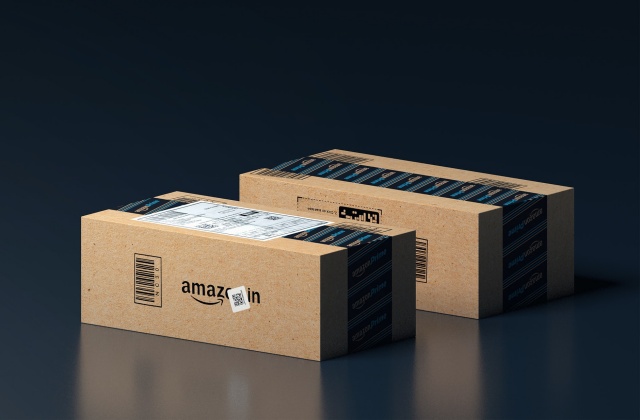
Amazon announced on Wednesday, April 14, that it would be adding a 5% fuel and inflation surcharge to the fees it charges third-party sellers who use the company’s fulfillment services.
The new fees are to be officially implemented on April 28. Amazon said it hiked up the seller fees to offset rising costs. The company also noted that the fees are still “subject to change” and will apply to apparel and non-apparel merchandise.
The Associated Press further reported that the latest increase in fee follows the hike that was announced in November and took effect in January this year. While Jeff Bezos’ e-commerce company did not immediately respond to inquiries related to its recent move, a notice that was sent to the sellers stated that costs had gone up since the COVID-19 pandemic started.
Amazon mentioned its costs have mainly increased due to wage hikes, construction of new warehouses, and recruitment of new workers. But then, the company said it is also trying to keep the fees down by absorbing costs as much as it could and whenever possible.
It was explained that it only expanded the fees to deal with permanent costs and remain competitive with rivals such as UPS and FedEx, which have also added fuel surcharges already. In recent data that was released by officials, inflation showed an increase of 8.5% last month and this was the fastest pace in over 40 years. This has also affected gas prices which have surged 48% in the last 12 months.
"In 2022, we expected a return to normalcy as Covid-19 restrictions around the world eased, but fuel and inflation have presented further challenges," Amazon wrote in a memo that was provided to CNN Business. "It is unclear if these inflationary costs will go up or down, or for how long they will persist, so rather than a permanent fee change."
Now, while Amazon is saying inflation and the rising cost of fuel was to be blamed for its new surcharge, Stacy Mitchell, the co-director of the Institute for Local Self-Reliance, an anti-monopoly group, said they believe the company is only taking advantage of the current situation.
“Amazon keeps increasing its fees on the sellers that have to depend on its platform,” she said. “The new fees are a way to take more money out of the pockets of independent businesses and put it into Amazon’s coffers.”







