


 Rio Tinto Shares Hit Record High After Ending Glencore Merger Talks
  TSMC Eyes 3nm Chip Production in Japan with $17 Billion Kumamoto Investment
  TrumpRx Website Launches to Offer Discounted Prescription Drugs for Cash-Paying Americans
  Toyota’s Surprise CEO Change Signals Strategic Shift Amid Global Auto Turmoil
  Nasdaq Proposes Fast-Track Rule to Accelerate Index Inclusion for Major New Listings
  Hims & Hers Halts Compounded Semaglutide Pill After FDA Warning
  Nvidia, ByteDance, and the U.S.-China AI Chip Standoff Over H200 Exports
  Amazon Stock Rebounds After Earnings as $200B Capex Plan Sparks AI Spending Debate
  OpenAI Expands Enterprise AI Strategy With Major Hiring Push Ahead of New Business Offering
  SpaceX Prioritizes Moon Mission Before Mars as Starship Development Accelerates
  Alphabet’s Massive AI Spending Surge Signals Confidence in Google’s Growth Engine
  Weight-Loss Drug Ads Take Over the Super Bowl as Pharma Embraces Direct-to-Consumer Marketing
  Prudential Financial Reports Higher Q4 Profit on Strong Underwriting and Investment Gains
  CK Hutchison Launches Arbitration After Panama Court Revokes Canal Port Licences
  Once Upon a Farm Raises Nearly $198 Million in IPO, Valued at Over $724 Million
  Missouri Judge Dismisses Lawsuit Challenging Starbucks’ Diversity and Inclusion Policies
  Ford and Geely Explore Strategic Manufacturing Partnership in Europe


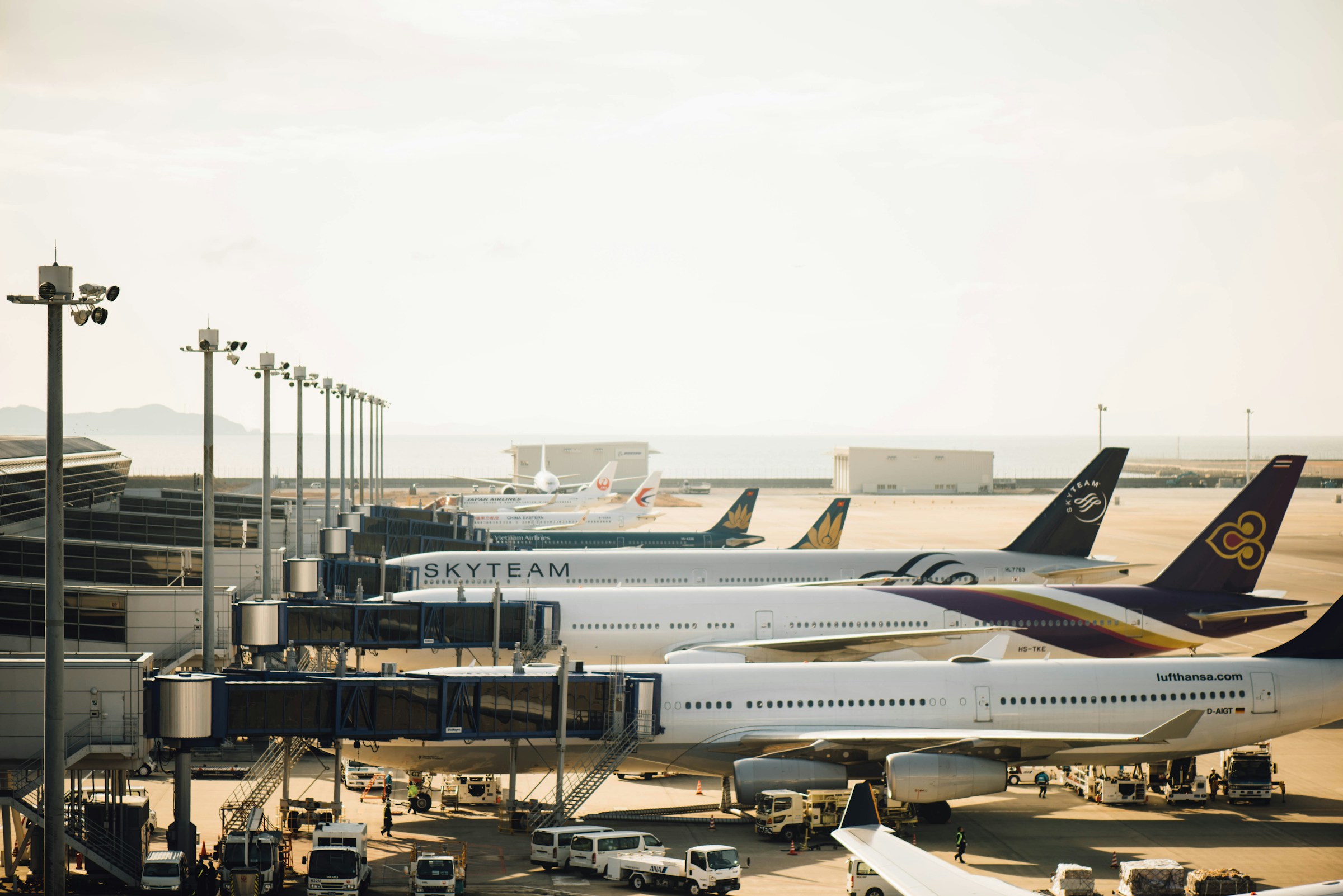
The global airline industry is gearing up for an unprecedented summer as travel demand is expected to soar beyond pre-pandemic levels. Analysts predict that around 4.7 billion people will take to the skies in 2024, eclipsing the 4.5 billion travelers in 2019.
Reuters reported that this surge arrived amidst a significant squeeze in aircraft availability, attributed to production setbacks at leading manufacturers Boeing and Airbus. These challenges have forced airlines to invest billions in the upkeep of older fleets and to shell out premiums on aircraft leases, while some have no choice but to cut back on their flight schedules.
Indian Aviation: Compromising Safety for Cost?
Amidst these challenges, the aviation sector in India presents a case where air safety could potentially be compromised due to cost-saving measures. The global predicament is further complicated by Boeing's safety crisis, stemming from a mid-air panel blowout in January, leading to a cap on the production of its 737 MAX planes. Additionally, up to 650 Airbus A320neo jets may need to ground in the first half of 2024 for engine inspections, exacerbating the shortage.
The Strain on U.S. Carriers and the Leasing Boom
In the United States, the shortfall is striking, with carriers set to receive 32% fewer aircraft than originally planned, particularly affecting airlines that rely on the Boeing 737 MAX. This deficit has catalyzed a boom in the aircraft leasing market, driving lease rates to heights not seen since mid-2008. With airlines spending 30% more on leases post-pandemic and grappling with escalated maintenance and labor costs, profitability is under pressure despite the hike in demand.
Adjusting to Capacity Constraints
According to The Hindu, airlines are approaching this summer with a mix of caution and optimism, adjusting growth plans to manage capacity constraints. Quarterly reports from major airlines, starting with Delta Air Lines, will shed light on strategies to mitigate these challenges. The situation is complex, with increased leasing and repair costs impacting profit margins despite the robust demand for air travel.
Photo: CHUTTERSNAP/Unsplash













