


 KPMG UK Cuts 440 Audit Jobs Amid Low Attrition and Cooling Professional Services Demand
  McDonald's and Restaurant Brands International Face Headwinds Amid Iran Conflict and Rising Costs
  Star Entertainment Secures $390M Refinancing Deal to Stabilize Operations
  Microsoft Eyes $7B Texas Energy Deal to Power AI Data Centers
  Russell 1000 Companies Hit $2.2T Cash Record While Aggressively Reinvesting in Growth
  SoftwareONE Posts 22.5% Revenue Surge in 2025 on Crayon Acquisition
  Federal Judge Blocks Pentagon's Blacklisting of AI Company Anthropic
  Norma Group Posts Revenue Decline in 2025, Eyes Modest Recovery in 2026
  BlackRock CEO Larry Fink Earns $37.7 Million in 2025 Amid Record Growth
  Nike Beats Q3 Estimates but China Weakness and Margin Pressure Weigh on Outlook
  CTOC Adds 3,000 Doctors, 500 Hospitals Ahead of Liquidity Push
  SpaceX Eyes Historic IPO at $1.75 Trillion Valuation
  Luxury Car Sales in the Middle East Take a Hit Amid Iran War
  Annie Altman Amends Sexual Abuse Lawsuit Against OpenAI CEO Sam Altman
  Brazil Meat Exports Weather Iran War Disruptions With Rerouted Shipments
  Fonterra Admits Anchor Butter "Grass-Fed" Label Misled Consumers After Greenpeace Lawsuit
  Eli Lilly and Insilico Medicine Forge $2.75 Billion AI-Driven Drug Discovery Deal


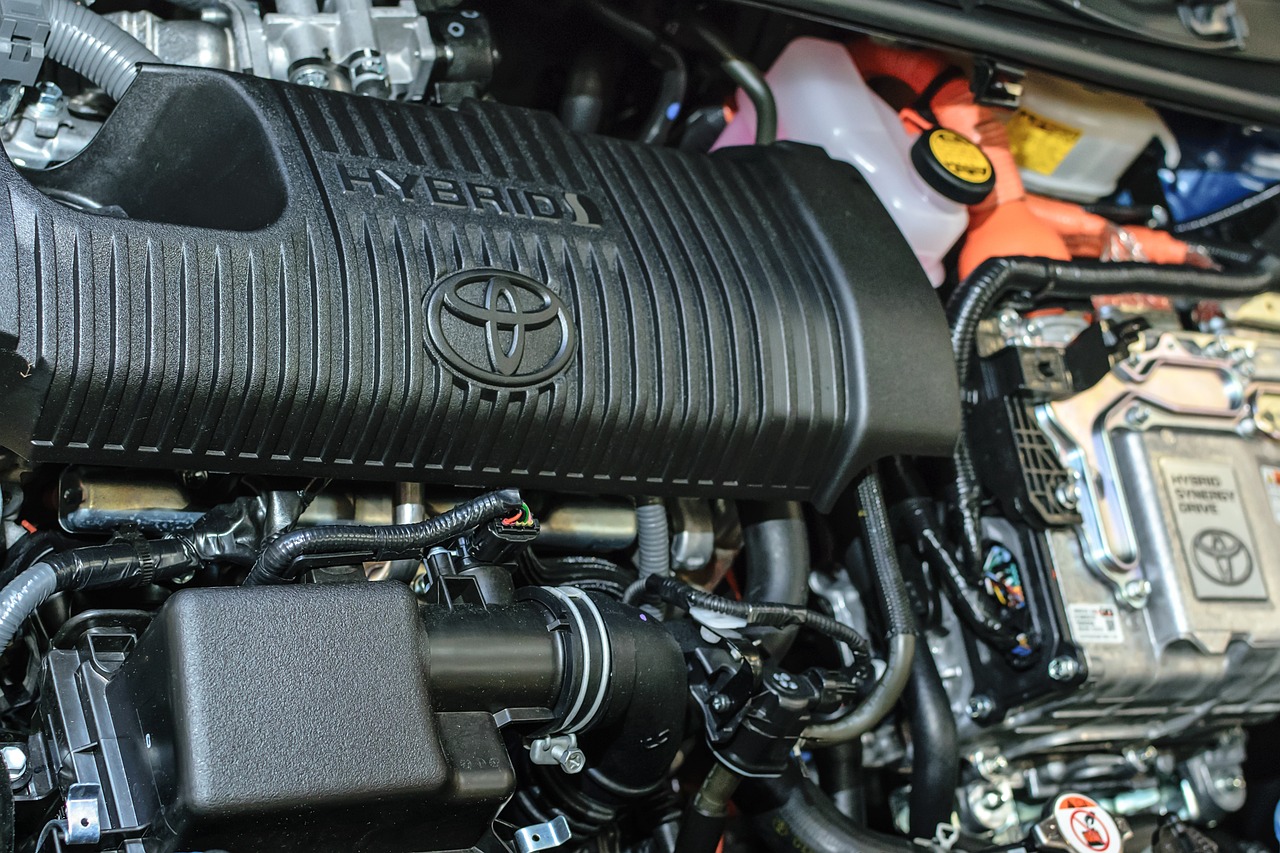
Toyota Motor Corp (TYO:7203) announced on Friday that it will begin introducing three U.S.-manufactured vehicle models to the Japanese market starting in 2026, a strategic move aimed at expanding its domestic lineup while also supporting improved U.S.-Japan trade relations. The Japanese automaker said the plan reflects both market-driven demand and broader diplomatic considerations between Tokyo and Washington.
According to Toyota, the three U.S.-made models scheduled for launch in Japan are the Camry sedan, the Highlander sport utility vehicle, and the Tundra pickup truck. These vehicles are among Toyota’s most popular offerings in the United States, where the company sells millions of cars annually and maintains a strong manufacturing footprint. By bringing these models to Japan, Toyota aims to address increasingly diverse consumer preferences, including demand for larger sedans, SUVs, and pickup trucks.
In its official statement, Toyota emphasized that selling American-built vehicles in Japan would help meet the needs of a wide customer base while contributing to healthier bilateral trade relations. The company also said it plans to leverage a new vehicle certification and approval system currently being considered by Japan’s Ministry of Land, Infrastructure, Transport and Tourism. This system emerged from ongoing negotiations between Japanese and U.S. officials to ease regulatory barriers for imported vehicles.
The announcement follows signals from the Japanese government indicating greater openness to purchasing American-made vehicles as part of a broader trade framework with the United States. U.S. President Donald Trump has repeatedly criticized Japan for its limited imports of American cars, even as Japanese automakers dominate U.S. auto sales. In October, Japan indicated it may purchase Ford Motor Company’s F-150 trucks to partially address U.S. trade concerns.
Toyota has previously attempted a similar strategy. In the 1990s, it sold a rebadged General Motors vehicle, the Toyota Cavalier, in Japan, though the model failed to gain traction and was eventually discontinued.
Today, Toyota remains the world’s largest automaker, with particularly strong demand in the United States, especially for hybrid vehicles. While Toyota’s U.S. exports to Japan are still subject to a 15% tariff under a September trade agreement, this rate is significantly lower than the 27% levy imposed earlier in the year, making the new initiative more commercially viable.







