


 Asian Stocks Fall as Surging Bond Yields Rattle Markets
  Japanese Yen Rebounds as Trump Flags Currency Weakness
  Japanese Bank Stocks Surge as Bond Yields Fuel Rate Hike Bets
  Asian Currencies Mixed as Dollar Holds Near Two-Month High
  Oil Prices Ease as Iran Tensions Clash With Diplomacy Hopes
  Fed Unveils Stablecoin Rules Under GENIUS Act
  US 10-Year Treasury Yield at 6% Emerges as New Market Risk Threshold
  Dollar Holds Near Two-Month High as Yen Approaches 160
  Dollar Falls as Oil Eases, Yen Jumps on Intervention Signals
  U.S. Dollar Hits Two-Month High as Oil, Treasury Yields Surge
  Mexico-US Trade Talks Delayed to October as Tariff Negotiations Continue
  European Stocks Fall as Bond Yields and Geopolitical Risks Weigh
  Fed Unveils Stablecoin Rules Under GENIUS Act
  Trump, Xi Focus on Trade and AI at White House Summit
  Oil Prices Jump 3% as Houthi Attack Revives Supply Fears
  Soybean Futures Slip as Traders Await Trump-Xi Trade Signals
  Wall Street Ends Flat as Oil, Treasury Yields and Fed Jitters Rattle Markets


 Add as a preferred source on Google
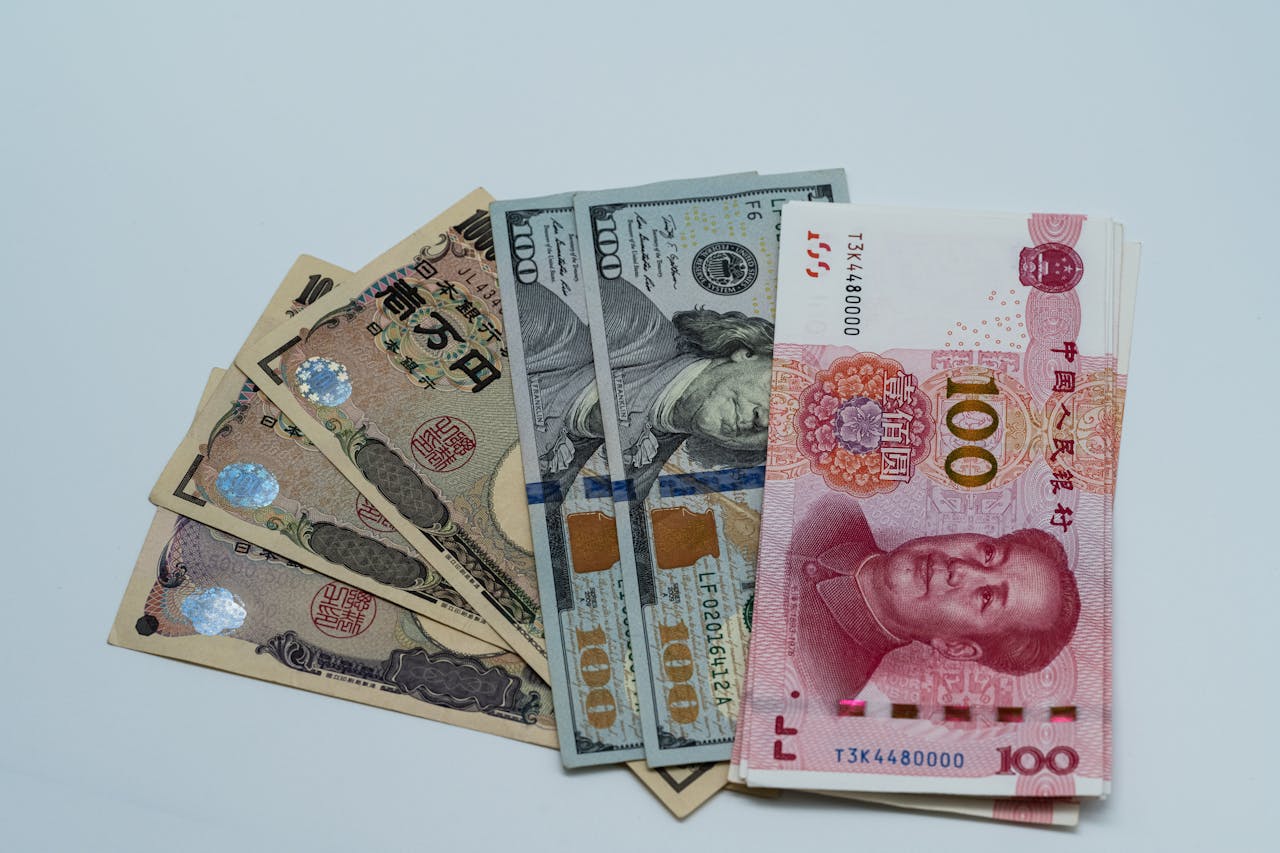
The Japanese yen weakened sharply on Monday, hovering near record lows against major currencies, after Bank of Japan Governor Kazuo Ueda reiterated a cautious policy stance despite a recent interest rate hike. The yen’s decline underscored market disappointment over the lack of clear guidance on future monetary tightening from the BOJ.
Following Friday’s widely anticipated rate increase of 25 basis points, which lifted the policy rate to a three-decade high of 0.75%, investors had hoped for stronger signals of a sustained tightening cycle. Instead, Ueda emphasized that the timing and pace of additional hikes would remain dependent on incoming economic data, dampening expectations of a more aggressive policy shift. As a result, the yen fell around 1.3% against the euro, 1.4% versus the U.S. dollar, and 1.5% against the Australian dollar.
The Japanese currency traded near an 11-month low against the dollar and remained close to record or multi-month troughs versus the euro and Aussie. A warning from Japan’s top currency diplomat, Atsushi Mimura, about potential foreign exchange intervention did little to support the yen. Mimura said officials were concerned about “one-sided and sharp” currency moves and would take action against excessive volatility, but markets largely shrugged off the comments.
Meanwhile, Japanese government bonds saw heavy selling, pushing the benchmark 10-year yield above the psychologically important 2% level for the first time since 1999. This move reflected investor expectations that policy normalization could continue, even if the BOJ remains cautious in its communication.
Analysts noted that while the BOJ acknowledged that real interest rates remain significantly low, Ueda’s press conference offered little new insight into the pace of future hikes. The absence of a more hawkish tone triggered renewed yen selling, with technical analysts warning that a sustained move above 158 yen per dollar could open the door to further weakness.
The euro stayed near record highs against the yen, while the Australian dollar also remained strong, supported by positive risk sentiment and widening interest rate differentials between Australia and Japan. Some forecasts suggest the Aussie-yen pair could climb further in the coming months if current conditions persist.
Overall, the yen’s latest slide highlights the delicate balance the BOJ faces as it tightens policy cautiously, while global investors continue to test Japan’s tolerance for currency weakness.







