


 European Stocks Fall as Bond Yields and Geopolitical Risks Weigh
  Canadian Dollar Faces Pressure as Fed-BoC Policy Gap Widens
  Dollar Falls as Oil Eases, Yen Jumps on Intervention Signals
  Gold Prices Fall as Treasury Yields Rise on Fed Rate Hike Bets
  Japan Private-Sector Growth Slows as Domestic Demand Weakens
  U.S. Dollar Hits Two-Month High as Oil, Treasury Yields Surge
  Asian Stocks Fall as Surging Bond Yields Rattle Markets
  Fed Unveils Stablecoin Rules Under GENIUS Act
  Asian Currencies Mixed as Dollar Holds Near Two-Month High
  Gold Holds Near $4,275 as Rising Treasury Yields Fuel Fed Rate Hike Bets
  Fed’s Hammack Says Bond Yield Surge Is Not Driven by Inflation Fears
  US Stock Futures Fall as Treasury Yields Surge Ahead of Trump-Xi Summit
  Wall Street Ends Flat as Oil, Treasury Yields and Fed Jitters Rattle Markets
  US 10-Year Treasury Yield at 6% Emerges as New Market Risk Threshold
  Oil Prices Fall on U.S.-Iran Hormuz Deal Hopes
  China’s ‘Lipstick King’ Says AI Won’t Replace Livestream Hosts
  Oil Prices Ease as Iran Tensions Clash With Diplomacy Hopes


 Add as a preferred source on Google
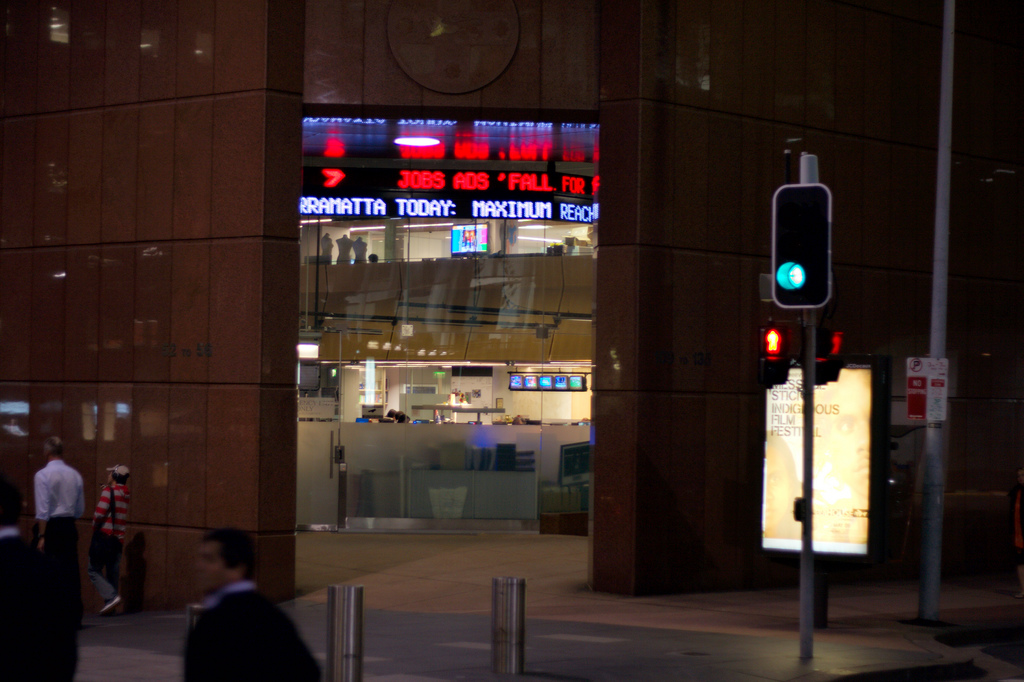
Shares in ASX Ltd (ASX: ASX) came under pressure on Monday after Australia’s corporate regulator announced a significant capital charge against the exchange operator, raising concerns among investors about governance, risk management, and future dividends. The Australian Securities and Investments Commission (ASIC) imposed an additional A$150 million (around US$99.7 million) capital requirement following an inquiry into operational and cultural shortcomings at the operator of Australia’s core financial market infrastructure.
ASIC said the capital charge was necessary to address what it described as “elevated risk” at ASX. The decision followed the release of an interim report by an independent expert inquiry panel, which identified weaknesses in operational resilience, risk controls, and organisational culture. These findings have renewed scrutiny of ASX’s ability to manage critical systems, particularly in its clearing and settlement operations.
The market reacted swiftly, with ASX shares falling as much as 5.1% to A$54, marking their lowest level since October 2023. The sell-off reflected investor concerns not only about regulatory pressure but also about the potential impact on shareholder returns over the coming years.
In response, ASX confirmed it has agreed to a strategic package of actions demanded by ASIC. These measures include a reset of its long-running “Accelerate” transformation program and changes to governance structures across its clearing and settlement businesses. The exchange must build up the additional A$150 million above its net tangible assets by June 2027 and maintain that capital until specific milestones are met to ASIC’s satisfaction.
To fund the higher capital requirement, ASX said it will reduce its dividend payout ratio and introduce a discounted dividend reinvestment plan. These steps, while aimed at strengthening the balance sheet and meeting regulatory expectations, weighed heavily on investor sentiment, particularly among income-focused shareholders.
The latest developments highlight the growing regulatory focus on market infrastructure resilience in Australia. For ASX, the challenge now is to restore confidence by addressing governance and operational issues while balancing regulatory compliance with shareholder expectations.







