


 Trump Says ‘Freedom’ Is Coming to Cuba
  US Plans Two New Military Bases in Greenland Under Arctic Deal
  Kremlin Says No Grounds Yet for Ukraine Peace Talks
  Taiwan Vows to Advance US Arms Sales Ahead of Trump-Xi Meeting
  UK, Mauritius Seek Diego Garcia Base Deal
  China Tightens Fentanyl Rules Ahead of Trump-Xi Summit
  Trump Board of Peace Unveils $2.45 Billion Gaza Recovery Plan
  Macron Challenges Trump’s Gaza Peace Claims at UN
  Lula and Flavio Bolsonaro Tied in Brazil Runoff Poll
  Trump to Press Xi on Release of US Nuclear Expert Held in China
  Zelenskiy Warns Russia Preparing Major Attack on Ukraine
  Carney Condemns Belleville Synagogue Shooting That Wounded Police Officer
  Trump Says U.S.-Iran Peace Deal Near After UN Talks
  Paramount-Warner Bros $110 Billion Deal Draws Antitrust Backlash
  CNN, MS NOW and Politico Sue Trump Over White House Media Ban
  US, Japan and South Korea Back Taiwan Ahead of Trump-Xi Summit
  Trump Meets Venezuela’s Delcy Rodriguez at UN Assembly


 Add as a preferred source on Google
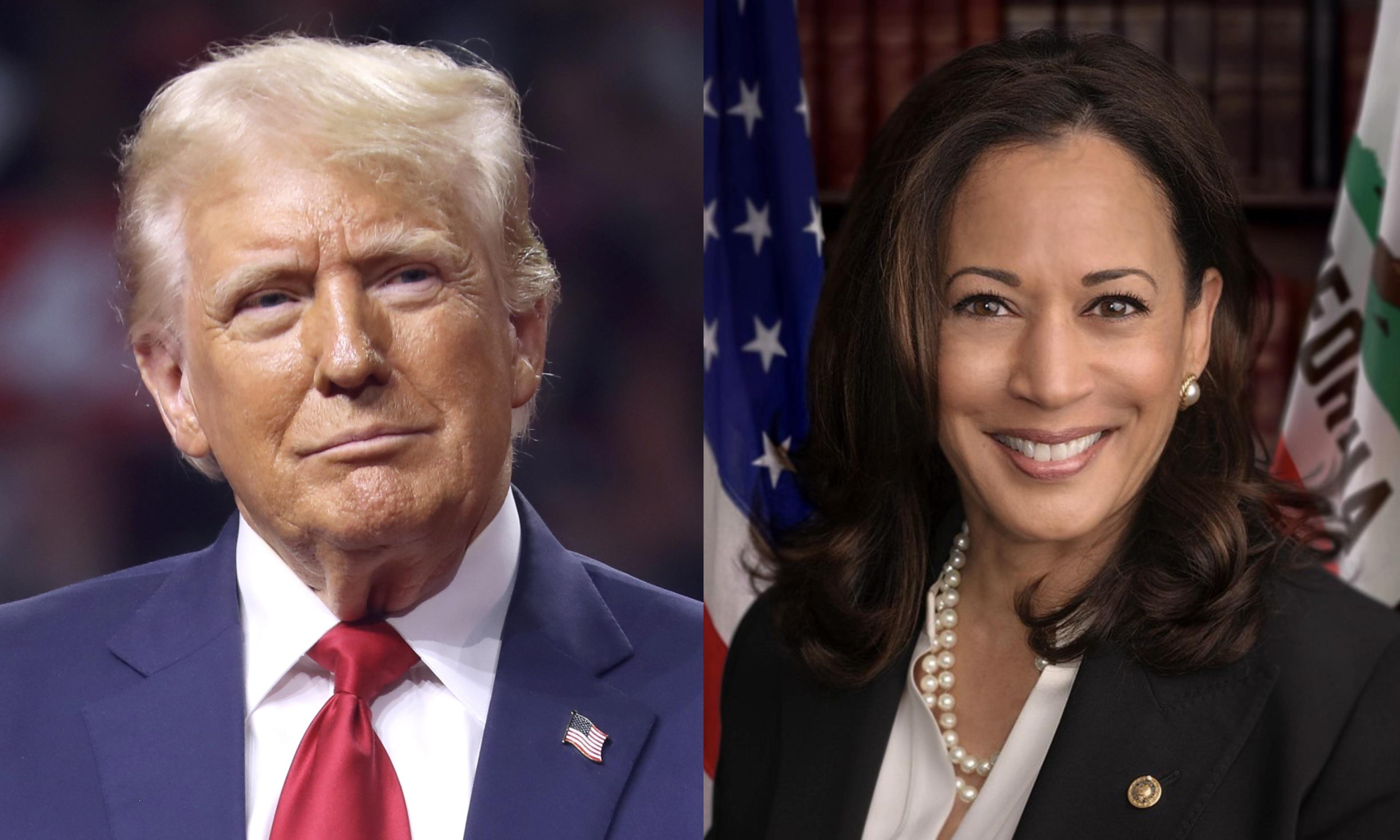
The U.S. Supreme Court has ruled in a 6-3 decision to uphold Virginia’s decision to remove approximately 1,600 suspected non-citizens from its voter rolls, a decision that has fueled nationwide debate on voter rights and election integrity. The court’s ruling gives Virginia the go-ahead to purge these individuals from its registered voter list, with supporters citing the need for election security and opponents arguing that it risks disenfranchising eligible voters.
The court’s conservative majority sided with Virginia’s policy, stating that maintaining accurate voter rolls is essential to preserving the integrity of elections. “States must have the authority to verify and ensure that only eligible citizens vote,” the court’s majority opinion stated. The ruling comes amid a broader national conversation about voting rights and state powers to regulate election processes.
Justice Samuel Alito, writing for the majority, emphasized that the decision to remove suspected non-citizens was based on “reasonable and lawful measures.” According to Alito, allowing states to monitor and maintain their voter registration lists is not only constitutional but also necessary to uphold democratic processes. “It is well within a state’s rights to prevent ineligible individuals from participating in elections,” he wrote.
The ruling has drawn mixed reactions across the political spectrum. Supporters argue that removing individuals who are not legally permitted to vote is a crucial step in ensuring election integrity. “Allowing non-citizens to remain on the voter rolls undermines the legitimacy of our elections,” said Virginia Attorney General Jason Miyares, who has been an advocate for stricter election security measures. “This decision upholds the importance of protecting the rights of legitimate voters.”
However, critics of the ruling, including civil rights organizations, argue that the policy risks sweeping up eligible citizens mistakenly identified as non-citizens, effectively disenfranchising them. Justice Sonia Sotomayor, one of the three dissenting justices, voiced concerns in her dissenting opinion, arguing that the ruling “opens the door for eligible voters to be wrongfully purged based on bureaucratic errors.” She further stated that such a decision could disproportionately impact vulnerable communities, potentially affecting citizens who may lack the resources to contest their removal.
Voting rights advocates fear that this ruling could set a precedent for other states to adopt similarly aggressive measures in purging their voter rolls. “This decision could signal a new wave of voter roll purges, leading to the disenfranchisement of eligible voters across the country,” said Lawrence Jacobs, a policy analyst with the Voting Rights Defense Project.
In Virginia, election officials plan to begin removing names from the voter rolls based on the Supreme Court’s decision, and those identified as non-citizens will receive notices informing them of their removal. Individuals who believe they have been incorrectly purged will have an opportunity to appeal and provide proof of citizenship to regain their voting rights.
As the nation moves closer to the next election cycle, the court’s ruling has intensified the debate over voter rights, access, and security. For now, Virginia’s decision to purge its voter rolls reflects a larger tension in American politics, as states grapple with balancing election integrity and accessibility.







