


 SpaceX’s Starship Completes 11th Test Flight, Paving Way for Moon and Mars Missions
  FDA Adds Fatal Risk Warning to J&J and Legend Biotech’s Carvykti Cancer Therapy
  NASA Resumes Cygnus XL Cargo Docking with Space Station After Software Fix
  Ancient Mars may have had a carbon cycle − a new study suggests the red planet may have once been warmer, wetter and more favorable for life
  Cogent Biosciences Soars 120% on Breakthrough Phase 3 Results for Bezuclastinib in GIST Treatment
  Neuralink Plans High-Volume Brain Implant Production and Fully Automated Surgery by 2026
  Eli Lilly’s Inluriyo Gains FDA Approval for Advanced Breast Cancer Treatment
  CDC Vaccine Review Sparks Controversy Over Thimerosal Study Citation
  Trump and Merck KGaA Partner to Slash IVF Drug Costs and Expand Fertility Coverage
  SpaceX Starship Test Flight Reaches New Heights but Ends in Setback
  Trump Administration to Launch Autism Initiatives Targeting Acetaminophen Use and New Treatment Options


The extinction of an entire species is always a tragedy, but it is worse when the species in question had a major contribution to the health and balance of an ecosystem. As a result, The Long Now Foundation has been working on a de-extinction initiative with plans to revive several helpful species that have died out. The group recently released a list of eleven species that scientists want to bring back from the dead.
As Futurism notes, it’s almost too easy to see the foundation’s project as an act of “playing God” since it is about bringing several dead species back to life. However, this is an entirely philosophical argument that pales in comparison to the reasons for bringing them back in the first place. The de-extinction initiative is not simply for the sake of curiosity, but for returning balance to ecosystems that humanity had a hand in destabilizing.
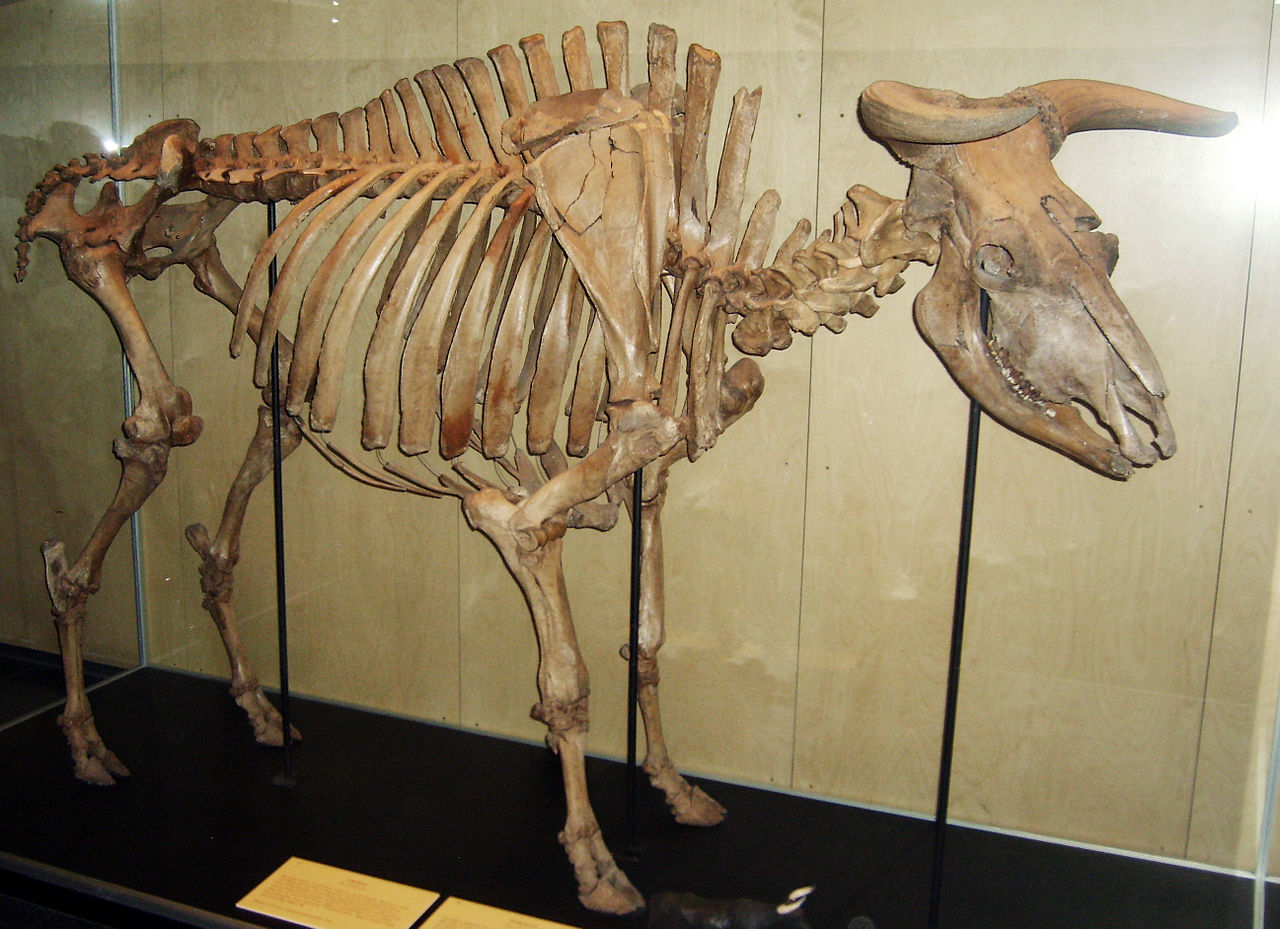
The list of species published does come with significant variety, containing herbivores, carnivores, and omnivores. For example, there’s the Caspian Tiger, which is a large cat that weighed over 300 pounds and lived in some parts of Central Asia. Then there are the extinct bovine species called Aurochs, which many scientists think stands seven feet in height.
The full list of the species that The Long Now Foundation is thinking about reviving can be found on the group’s official website, which also includes a list of species that the organization wants to provide genetic assistance. These species have yet to die out but are on the verge of extinction. Public feedback on which species deserves a chance to live again is also welcome.
“De-extinction is an emerging discipline focusing developing technologies in medicine and agriculture towards conservation of endangered and even extinct species,” the website reads. “Any extinct animal is a potential candidate for de-extinction that could be selected by a scientific research team for a future project.”













