


 Joby Aviation Reaches Major Milestone in FAA Certification for Electric Air Taxi
  UK Regulators Demand Social Media Platforms Strengthen Children's Age Verification
  Big Tech Turns to Debt Markets to Fund AI Infrastructure Boom
  California Court Rejects xAI Bid to Block AI Data Transparency Law
  Amazon Website Outage Disrupts Thousands of U.S. Shoppers Before Services Recover
  Oracle Stock Surges as AI Data Center Boom Drives Revenue Beat and Bullish 2027 Outlook
  Microsoft Backs Anthropic in Legal Fight Against Pentagon's AI Blacklist
  U.S. Senate Greenlights AI Chatbots for Official Staff Use
  U.S. Considers New Rules Tying AI Chip Exports to Investment and Security Guarantees
  BMW Warns of Further Earnings Decline in 2026 Amid Global Trade Pressures
  Iran Crisis Could Threaten AI Data Center Expansion and Global Chip Demand, South Korea Warns
  Foxconn Sees Strong Growth Ahead Despite Limited Impact From U.S.–Israel–Iran Tensions
  Anduril Industries Acquires ExoAnalytic Solutions to Bolster Space Defense Capabilities
  Lockheed Martin Invests $150M in Alabama Missile Production Facility
  Pokemon Pokopia Sells 2.2 Million Copies in Four Days, Boosting Nintendo Switch 2 Momentum
  Nvidia Sets $4M CEO Bonus Target for Fiscal 2027 as AI Demand Drives Revenue Growth
  Yann LeCun's AI Startup AMI Raises $1 Billion at $3.5 Billion Valuation


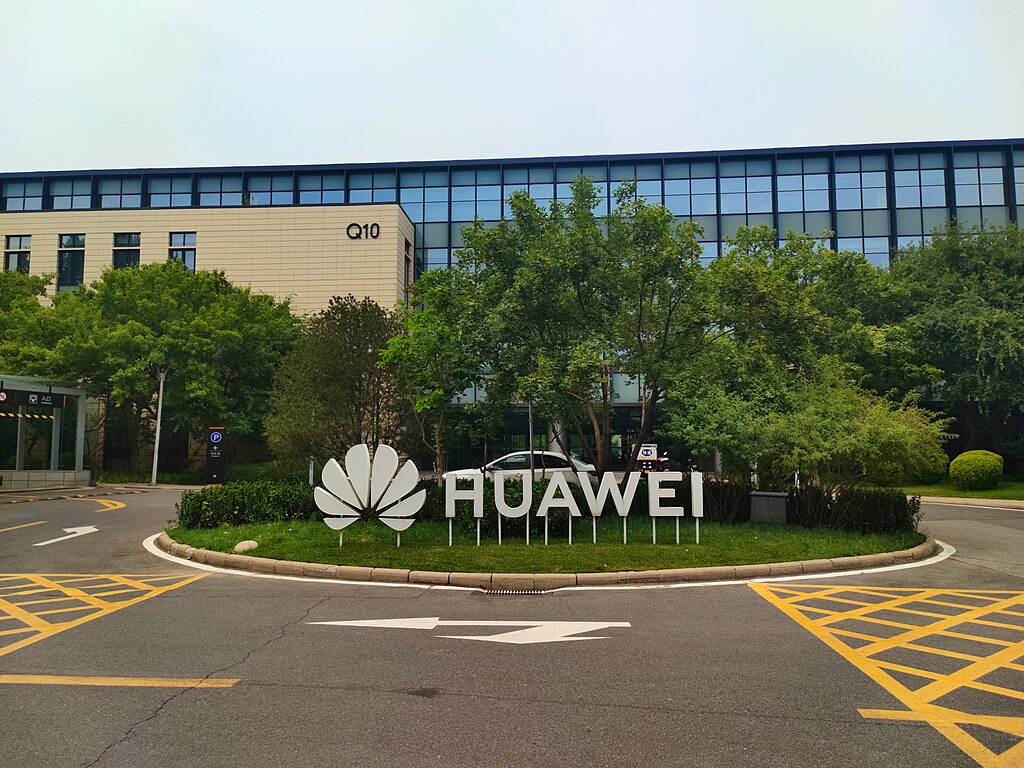
Chinese artificial intelligence startup Zhipu AI has unveiled a new open-source image generation model, marking a significant milestone in China’s push for technological self-reliance. The model, called GLM-Image, was trained entirely on Chinese-made hardware from Huawei, highlighting progress in reducing dependence on foreign semiconductor technology amid ongoing geopolitical and trade tensions.
Zhipu AI, officially listed as Knowledge Atlas Tech Joint Stock (HK:2513), said the GLM-Image model was trained end-to-end using Huawei’s Ascend Atlas 800T A2 chips. This development is notable as advanced AI models typically rely on high-performance chips from U.S. companies such as NVIDIA. By successfully training a large-scale AI model on domestically produced hardware, Zhipu demonstrated the growing capability of China’s local AI and semiconductor ecosystem.
The announcement had an immediate impact on the market. Zhipu’s shares surged more than 17% to HK$222.60 following the news, reflecting strong investor confidence in the company’s technology strategy and growth potential. The release also fueled a broader rally in Chinese chipmaking stocks, underscoring optimism around domestic alternatives to U.S.-made AI processors.
Zhipu is widely regarded as one of China’s “AI tigers,” a group of leading startups driving innovation in artificial intelligence. It recently became the first among this group to go public, recording a strong debut in Hong Kong last week. The launch of GLM-Image further strengthens its position as a frontrunner in China’s AI industry.
China’s emphasis on self-reliance in AI has intensified as access to advanced U.S. chips has become increasingly restricted. Washington has limited the sale of cutting-edge NVIDIA products, including the Blackwell line, to Chinese companies. While NVIDIA has reportedly received approval to sell its H200 chip in China, local authorities have been cautious about large-scale purchases. Although Huawei’s chips are still considered less powerful than NVIDIA’s most advanced offerings, they are emerging as viable domestic alternatives.
The success of GLM-Image signals steady progress toward Beijing’s long-term goal of building a fully independent AI technology stack, with semiconductors at its core, and positions Zhipu AI as a key player in shaping China’s AI future.













