


 Lindt Posts Record CHF 5.92 Billion in Sales for 2025, Doubles Share Buyback Program
  Nissan, Uber, and Wayve Team Up to Launch Robotaxi Pilot in Tokyo
  Iran's Government Remains Stable Despite U.S. and Israeli Strikes, Intelligence Shows
  U.S. Considers New Rules Tying AI Chip Exports to Investment and Security Guarantees
  Trump Announces New U.S. Oil Refinery in Texas with Indian Energy Giant Reliance
  Venezuela Names Paula Henao as New Oil Minister Amid U.S.-Led Industry Overhaul
  Anduril Industries Acquires ExoAnalytic Solutions to Bolster Space Defense Capabilities
  Boeing Secures $289 Million Smart Bomb Contract With Israel
  After the Iran war, Persian Gulf nations face tough decisions on the US – a former diplomat explains
  Broadcom Stock Jumps After Strong Earnings Beat and Bullish AI Revenue Outlook
  Oracle Stock Surges as AI Data Center Boom Drives Revenue Beat and Bullish 2027 Outlook
  UBS Seeks Legal Protection Over Credit Suisse's Nazi-Era Banking Activities
  FBI Warns of Possible Iranian Drone Attacks on California Amid U.S.-Iran War
  Pentagon Taps Wall Street Talent to Manage $200 Billion Defense Investment Fund
  Qantas Raises International Fares as Middle East Conflict Drives Jet Fuel Costs Higher
  Alphabet's GFiber Merges with Astound Broadband to Build Major U.S. Internet Provider
  Nintendo Stock Surges 10% as Pokémon Pokopia Breaks Sales Records


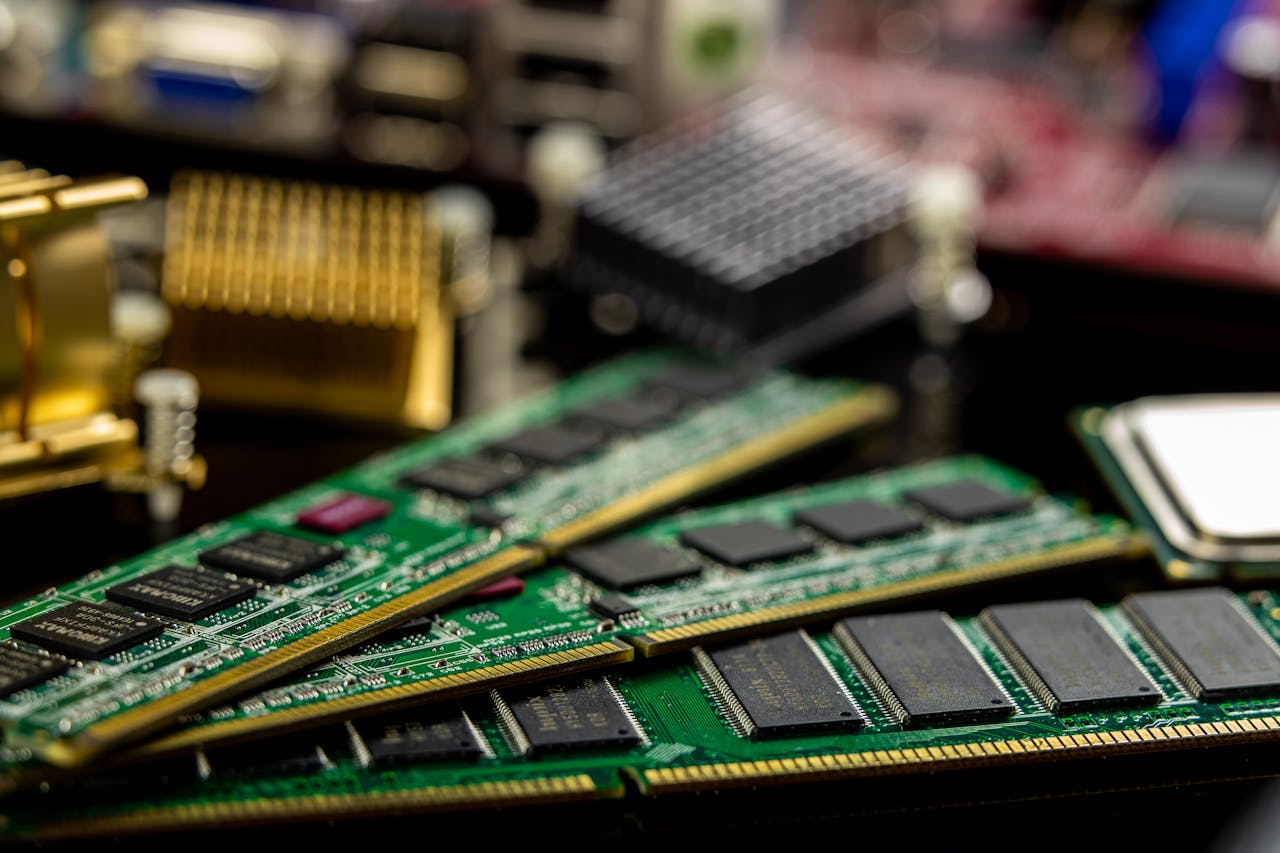
South Korea’s semiconductor industry is raising concerns that an extended geopolitical crisis involving Iran could slow the rapid expansion of artificial intelligence (AI) data centers in the Middle East, potentially weakening global demand for chips. According to ruling party lawmaker Kim Young-bae, industry leaders fear that escalating tensions in the region could disrupt major technology investment plans and impact the semiconductor supply chain.
Kim shared these concerns on Thursday following discussions with executives from major corporations, including Samsung Electronics, as well as representatives from business and trade organizations. During the meeting, industry officials warned that the ongoing Iran crisis could create uncertainty around large-scale technology infrastructure projects, particularly AI data centers planned across several Middle Eastern countries.
In recent years, global technology companies have increasingly looked to the Middle East as a strategic location for AI data center development. The region’s access to capital, energy resources, and government-backed digital transformation initiatives has made it an attractive hub for next-generation computing infrastructure. However, prolonged geopolitical instability could delay or cancel these projects, reducing demand for advanced semiconductors used in AI servers and high-performance computing systems.
South Korea, home to global semiconductor leaders like Samsung Electronics and SK Hynix, is closely monitoring the situation. The country’s chipmakers play a critical role in supplying memory and advanced chips used in AI data centers worldwide. Any slowdown in infrastructure expansion could have ripple effects across the semiconductor market, potentially affecting revenue projections and production planning.
Another major concern raised by the chip industry is the potential disruption of key semiconductor manufacturing materials sourced from the Middle East. One example is helium, an essential gas used in semiconductor fabrication processes such as cooling equipment and maintaining stable production environments. Supply interruptions could create bottlenecks in chip manufacturing, further complicating global semiconductor supply chains.
Industry leaders are urging policymakers to closely monitor geopolitical developments and consider contingency measures to protect the semiconductor industry. With AI demand driving much of the current growth in the global chip market, any disruption to infrastructure investments or material supplies could pose a significant challenge for the sector in the months ahead.













