


 Trump Suspends Some Morocco Fertilizer Tariffs to Ease U.S. Supply Shortage
  Asian Currencies Stay Range-Bound as Investors Eye China Data, RBNZ Outlook and U.S.-Iran Ceasefire
  Gold Price Ends Lower for Fourth Week Despite Rebound as Fed Rate Hike Bets Strengthen
  Oil Prices Slip as U.S.-Iran Peace Talks and Strait of Hormuz Risks Keep Markets on Edge
  World Bank Approves $1.1 Billion Emergency Funding for Bangladesh Amid Food and Energy Price Pressures
  Yen Falls to 40-Year Low as Markets Watch Japan Intervention and U.S. Jobs Report
  Japan Targets 1%+ Real Economic Growth With ¥370 Trillion Investment Plan
  China Factory PMI Seen Returning to Growth in June as AI Export Demand Supports Economy
  Argentina Economy Shrinks 1.5% in April, Recovery Under Milei Loses Momentum
  Central Banks Eye Gold, Reduce Dollar Exposure as AI Adoption Accelerates: OMFIF Survey
  Gold Price Falls as Fed Rate Hike Fears and U.S.-Iran Tensions Weigh on Bullion
  Trump Threatens 100% Tariffs on Countries Imposing Digital Services Taxes on U.S. Tech Firms
  Trump Urges Gasoline Retailers to Cut Prices to $2.50 Per Gallon, Warns of Legal Action
  RBA Minutes Signal Australia Central Bank Remains Ready to Raise Interest Rates if Inflation Persists
  Global Financial Firms Shift Asia Expansion Focus to South Korea as China, India Face Caution
  Oil Prices Rise as US-Iran Tensions Threaten Strait of Hormuz Oil Shipments
  Gold Prices Drop as Fed Rate Outlook and Iran Tensions Weigh on Market


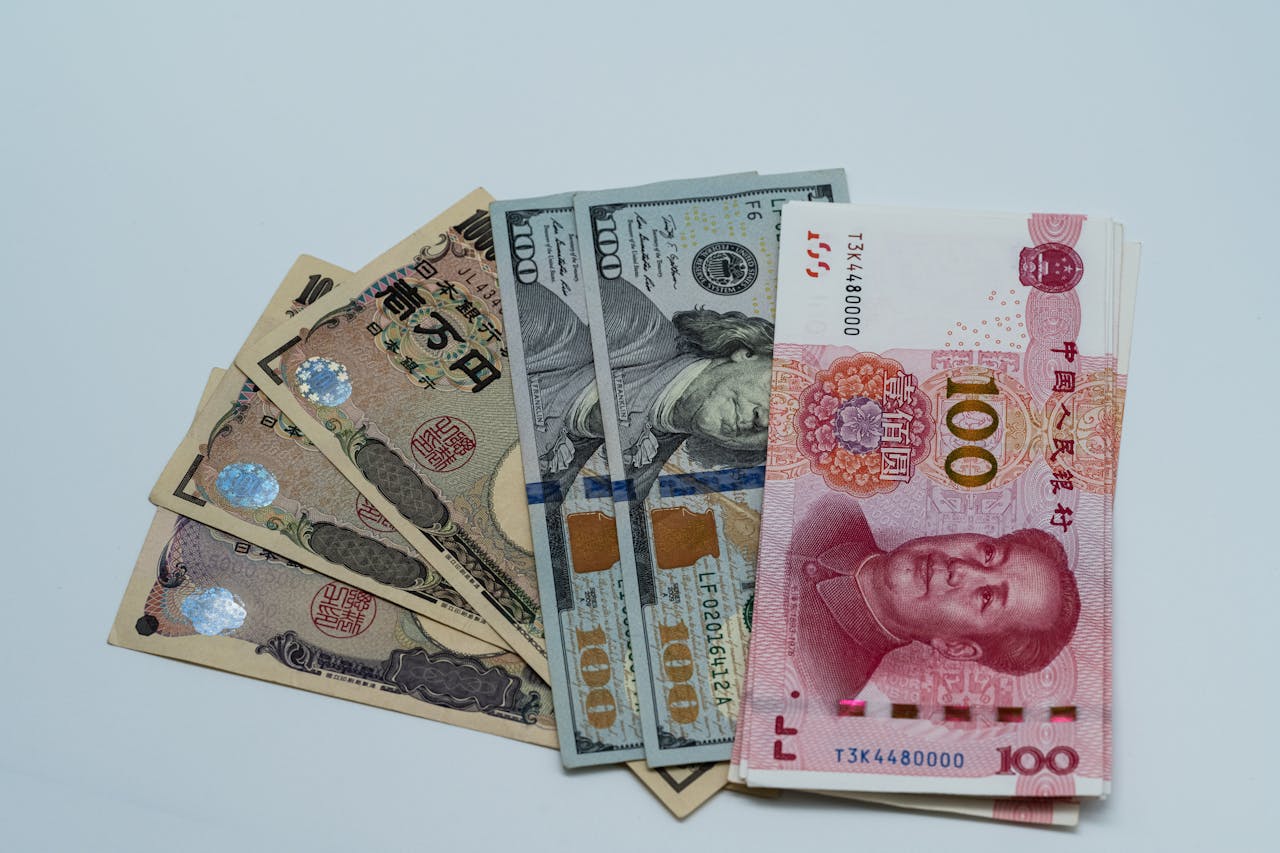
The Japanese yen strengthened sharply on Wednesday, hitting its highest level in more than two months after reports suggested that Japanese authorities recently intervened in the foreign exchange market to support the currency. The USD/JPY pair, which measures how many yen are needed to buy one U.S. dollar, dropped 1.7% to 155.09, marking its lowest point since late February.
The sudden rise in the yen follows several sharp market swings over the past week. Analysts believe Tokyo stepped into currency markets after the USD/JPY pair surged near the critical 160 level, a threshold Japanese officials have historically defended to prevent excessive weakness in the yen. The government has previously signaled discomfort when the currency approaches this range, fearing the impact on import costs and inflation.
Trading activity was also unusually thin due to Japan’s holiday period, which likely amplified market volatility. Low trading volumes often make intervention more effective because large currency purchases can move the market more aggressively. Reports of intervention first emerged after the yen unexpectedly rallied from the 160 mark last week.
Despite the rebound, the long-term outlook for the Japanese yen remains uncertain. Concerns over rising government debt and cautious monetary policy from the Bank of Japan continue to weigh on investor sentiment. Last week, the Bank of Japan kept interest rates unchanged but hinted it could consider future rate hikes if inflation continues to rise.
Market participants are now closely watching for further signs of intervention and upcoming Bank of Japan policy decisions. Currency traders expect volatility in the USD/JPY pair to remain elevated as Japan balances inflation risks, economic growth concerns, and efforts to stabilize the yen in global forex markets.







