


 Iran Holds Firm on Hormuz Reopening Terms Despite Trump Rejection
  UK Police Arrest Five in RAF Fairford Terror Probe
  Who should own the knowledge that underpins AI technology?
  US Stocks Face Jobs, Inflation Test as Fed Rate Hike Bets Rise
  OpenAI, Anthropic CEOs Summoned to Australia AI Inquiry
  Australia Budget Deficit Narrows to A$22.3 Billion on Stronger Tax Revenue
  Iran Rejects Nuclear Concessions in Hormuz Deal
  Germany’s 2026 Growth Outlook Strengthens on Fiscal Spending
  Judge Blocks Trump Rule Limiting Foreign Student Visas
  Trump Administration Plans Faster FDA Reviews for Smoke-Free Nicotine Products
  US Comfortable With Canada Trade Standoff as Import Bans Loom
  Canada Unveils Bill to Fast-Track Major Resource Projects
  Iran Warns US Against Renewed Attacks as Hormuz Tensions Rise
  Taiwan Says U.S. Arms Sales Protect Chip Supply
  Trump to Ease U.S. Fuel-Economy Standards
  Trump Bans CNN, MS NOW and Politico From White House


 Add as a preferred source on Google
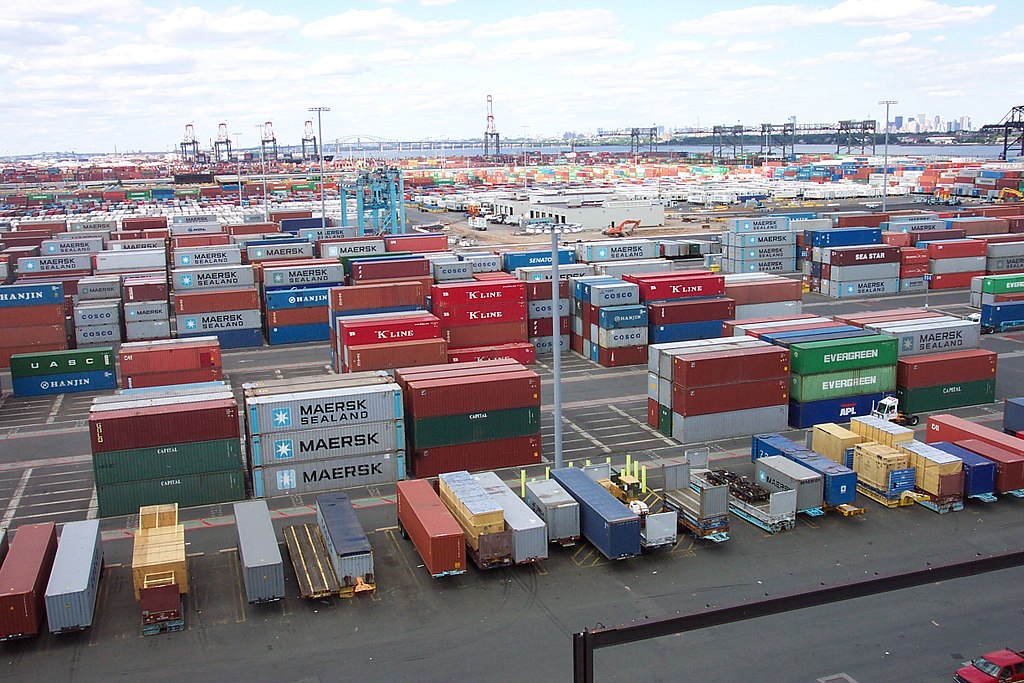
U.S. President Donald Trump announced on Friday that the United States will impose a 100% tariff on imports from any country that enforces digital services taxes (DSTs) on American technology companies, significantly escalating trade tensions with several U.S. allies.
In a post on Truth Social, Trump said countries that choose to tax U.S. digital companies would face immediate tariffs on all goods exported to the United States. He added that the proposed 100% tariff would override any existing trade agreements with Washington, regardless of whether those agreements are already in force.
The announcement marks the latest development in the ongoing dispute over how major technology companies should be taxed internationally. Several governments, particularly in Europe, have introduced or are considering digital services taxes aimed at large multinational tech firms that generate substantial revenue within their borders. The U.S. has long argued that these taxes unfairly target American companies such as Google, Apple, Meta, Amazon, and Microsoft.
Trump’s renewed warning follows comments from French President Emmanuel Macron, who said last week that France would maintain its digital services tax despite mounting pressure from Washington. Macron made the remarks shortly before meeting Trump during the G7 summit.
France introduced its 3% digital services tax in 2019, applying it to companies that generate more than €25 million in annual digital services revenue within France and at least €750 million worldwide. French officials have consistently defended the measure as a way to ensure multinational technology companies pay taxes where they earn revenue.
Ahead of the G7 summit, Trump had already signaled his willingness to retaliate, warning that the United States would impose a 100% tariff on French wine if Paris refused to eliminate the digital services tax.
The latest tariff threat raises the prospect of a broader trade conflict between the United States and countries that continue pursuing digital taxation policies targeting large technology firms. Analysts say such measures could affect a wide range of imported goods, disrupt international trade, and further strain economic relations between Washington and several European partners if implemented.







