


 Asian Stocks Rally as U.S.-Iran Peace Deal Boosts Market Sentiment Ahead of Key Central Bank Meetings
  China Industrial Output Beats Forecasts as Domestic Demand Weakens
  Myanmar Economic Outlook Hit by Fuel Price Shock as World Bank Cuts Growth Forecast
  Oil Prices Tumble as U.S.-Iran Peace Deal Eases Supply Concerns
  BOJ Rate Hike Expected to Boost Yen, Impact USD/JPY and Nikkei
  RBA Expected to Hold Interest Rates at 4.35% as Markets Watch AUD/USD and ASX 200
  Oil Prices Fall as Iran-U.S. Deal Eases Supply Concerns
  Asian Markets Mixed Ahead of Key Central Bank Decisions
  Global Motor Oil and Auto Paint Shortages Persist Despite Potential U.S.-Iran Peace Deal
  North Korea Reports Industrial Output at 105% of Target Following Party Congress
  Asian Currencies Steady as BOJ Raises Rates and Markets Await Fed Decision
  US-Iran Ceasefire Deal Extends Peace Talks and Eases Oil Trade Restrictions
  Taiwan Central Bank Likely to Keep Interest Rates Unchanged Through 2027
  AI-Focused Asia Hedge Funds Deliver Triple-Digit Returns in 2026 Rally
  Dollar Slips as U.S.-Iran Peace Deal Boosts Risk Appetite and Pressures Safe-Haven Demand
  Oil Prices Recover Slightly as U.S. Crude Inventories Fall, But Iran Deal Caps Gains


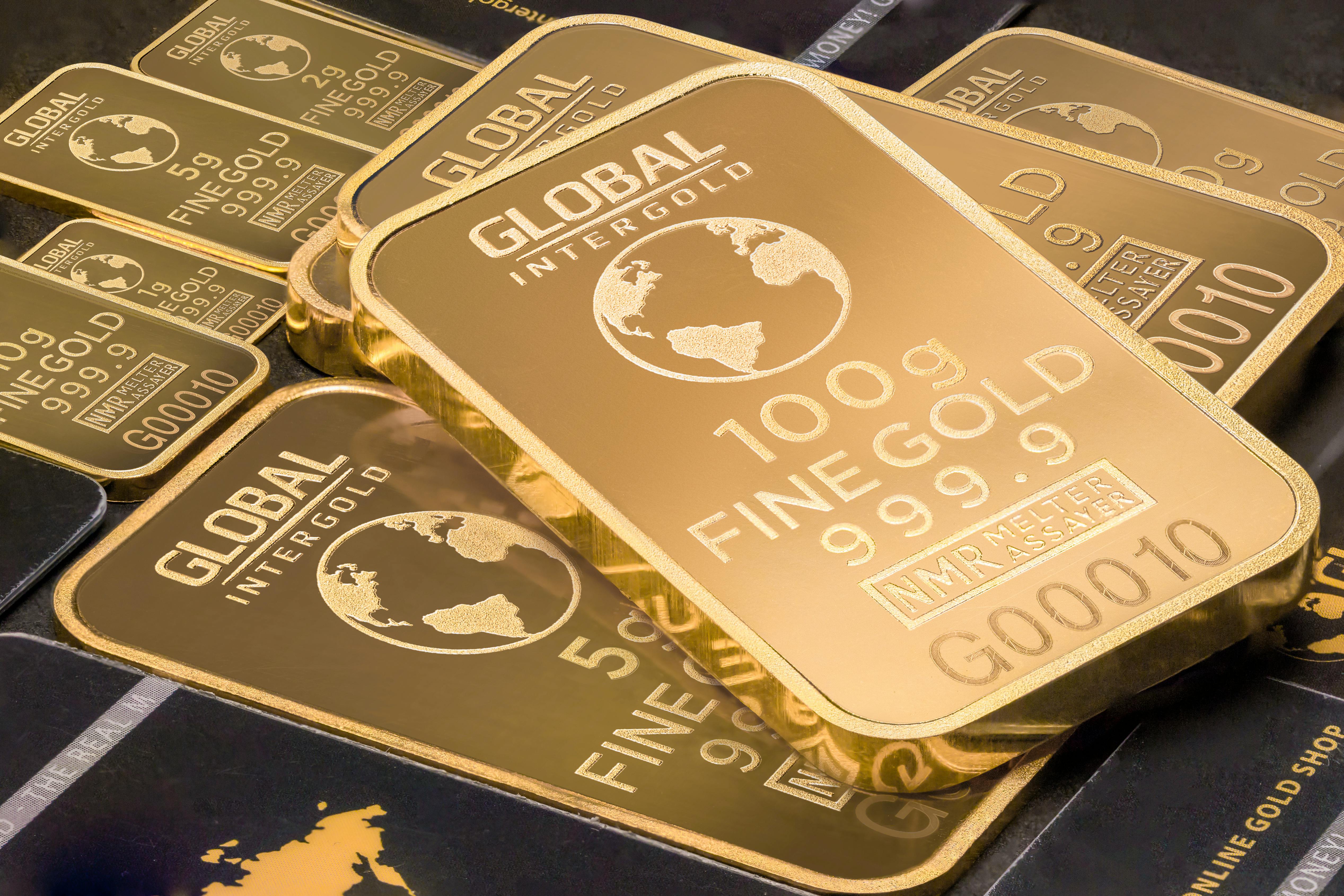
Gold prices edged higher on Tuesday as declining oil prices and growing optimism over a potential U.S.-Iran peace agreement supported investor sentiment. However, gains remained limited as markets awaited the Federal Reserve’s closely watched interest rate decision scheduled for Wednesday.
Spot gold rose 0.5% to $4,330.68 per ounce, while gold futures advanced slightly to $4,352.51 per ounce. The precious metal extended its recovery after posting strong gains on Monday following news that Washington and Tehran had reached a preliminary agreement aimed at ending months of conflict and reopening the Strait of Hormuz.
The prospect of restored oil flows through one of the world’s most important energy corridors pushed crude prices lower, easing concerns about inflationary pressures driven by higher energy costs. Lower inflation expectations typically reduce the likelihood of aggressive interest rate hikes, creating a more favorable environment for non-yielding assets such as gold.
According to market analysts, gold has rebounded significantly from recent lows as geopolitical tensions have eased and the U.S. dollar has weakened. The planned signing of a memorandum of understanding (MoU) between the United States and Iran in Switzerland later this week has further improved market confidence. President Donald Trump stated that the Strait of Hormuz is expected to reopen fully following the signing and described the agreement as a major step toward long-term regional stability.
Despite the positive outlook, uncertainty remains regarding the agreement’s details, particularly concerning Iran’s nuclear commitments. Conflicting reports from U.S. and Iranian officials have left several key aspects unresolved.
Meanwhile, oil prices fell below $80 per barrel for the first time since March, reducing pressure on central banks to tighten monetary policy. Investors are now focused on the Federal Reserve’s policy announcement under new Chair Kevin Warsh. The Fed is widely expected to keep interest rates unchanged while releasing updated economic forecasts.
Market expectations for additional U.S. rate hikes have softened following the U.S.-Iran breakthrough, with traders lowering the probability of another increase before year-end. Investors are also monitoring global monetary policy developments after the Bank of Japan raised interest rates to their highest level in over three decades, while the Reserve Bank of Australia left rates unchanged.







