


 Gold Rebounds Above $4,300 Despite Hawkish Fed Rate Hike
  Asian Stocks Rise After Fed Rate Hike
  Oil Prices Fall as Saudi Supply Concerns Ease
  BOJ Set for 25-Basis-Point Rate Hike as Yen Weakness Fuels Inflation
  Oil Prices Fall as Saudi Supply Improves, Middle East Fears Ease
  US Stock Futures Dip After Wall Street Rally
  Yen Slides After BOJ Rate Hike as Dollar Holds Near Seven-Week High
  South Korea Producer Prices Rise 0.2% in August
  Vietnam, U.S. Firms Plan 29 Deals Across Energy, Tech and Aviation
  European Stocks Rally After Fed Hike, Iran Peace Hopes
  Trump Hopes Iran War Nears End as Yemen Fighting Escalates
  Yen Sinks as BOJ Rate Hike Fails to Impress Markets
  Gold Prices Rise as Oil and Treasury Yields Fall
  Bessent Presses Japan on Fiscal Policy as Yen Struggles
  Supertanker Orders Surge as US-Iran War Reshapes Oil Trade
  Asian Chip Stocks Rally as Treasury Yields Ease


 Add as a preferred source on Google
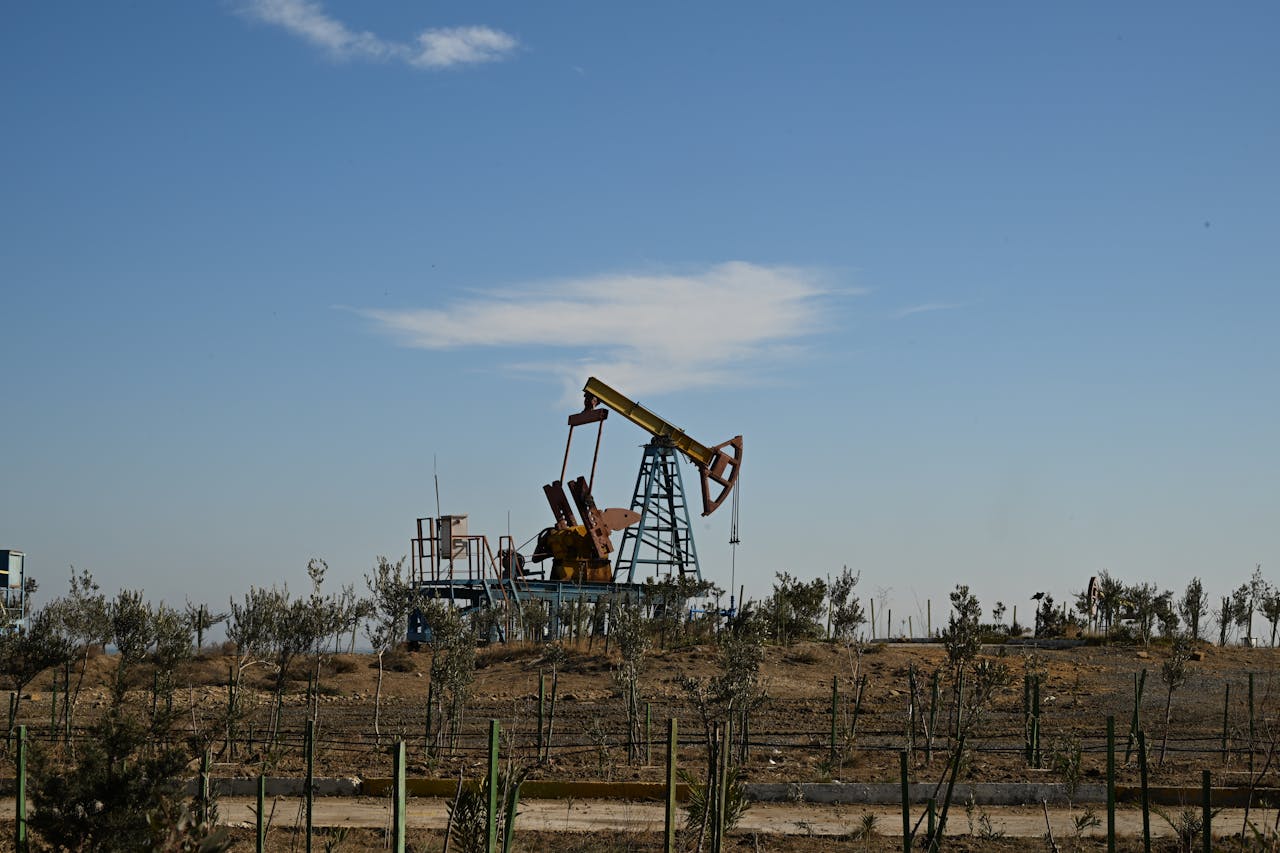
Oil prices declined in Asian trading on Thursday as investors evaluated the impact of a newly announced U.S.-Iran peace agreement and growing expectations of a global oil supply surplus. The prospect of increased Iranian crude exports and stronger worldwide production weighed on market sentiment, pushing both Brent crude and West Texas Intermediate (WTI) futures lower.
Brent crude futures for August delivery fell 1% to $78.73 per barrel, while WTI crude futures dropped 1.2% to $75.89 per barrel. The decline followed a brief rebound on Wednesday after U.S. President Donald Trump indicated that the agreement with Iran was not yet finalized and warned that military action could resume if Tehran failed to comply with the deal’s conditions.
Market participants are closely analyzing the details of the interim U.S.-Iran accord, which was digitally signed by Trump and Iranian President Masoud Pezeshkian. The 60-day agreement includes a ceasefire, the reopening of the Strait of Hormuz, and a gradual easing of U.S. restrictions on Iranian oil exports. However, Washington has emphasized that sanctions and pressure could be reinstated if Iran violates the agreement.
The possibility of additional Iranian oil entering global markets has strengthened expectations of improved supply conditions after weeks of disruptions linked to tensions in the Gulf region. Adding further pressure on crude prices, the International Energy Agency (IEA) recently warned that the oil market could face a significant surplus once Middle Eastern production fully recovers.
According to the IEA, global oil supply is expected to increase by approximately 8 million barrels per day between 2026 and 2027, while demand growth is projected at only around 2 million barrels per day. This imbalance could result in a surplus exceeding 5 million barrels per day by 2027.
Despite the bearish outlook, U.S. inventory data offered some support to oil prices. The Energy Information Administration (EIA) reported that commercial crude inventories fell by 8.3 million barrels to 418.2 million barrels during the week ending June 12, significantly exceeding analyst forecasts for a 3.6 million-barrel decline. Gasoline inventories also decreased by 0.9 million barrels, while distillate fuel stockpiles unexpectedly rose by about 1 million barrels.
Investors are also monitoring U.S. monetary policy after the Federal Reserve left interest rates unchanged but signaled the possibility of a rate hike later this year, a move that could influence economic growth and future energy demand.







