


 Samsung Races to Deliver Next-Gen HBM4E Memory Samples to Nvidia
  Netflix Q2 Profit Warning Sends Shares Tumbling as Reed Hastings Exits
  Federal Judge Dismisses DOJ Lawsuit Attempting to Block Hawaii's Climate Case Against Oil Giants
  CSN's Cement Unit Sale Could Exceed $2 Billion as Global Giants Circle
  NiSource Signs Long-Term Energy Deals with Alphabet and Amazon to Power Indiana Data Centers
  Elliott Investment Takes ~3% Stake in Daikin, Pushes for Buybacks and Strategic Overhaul
  Federal Agencies Secretly Test Anthropic's AI Despite Trump Administration Ban
  Want to cut your energy bills? Here’s how five experts are doing it
  Sam Altman Moves to Dismiss Punitive Damages in Sister's Sexual Abuse Lawsuit
  ASML Raises 2026 Revenue Outlook as AI Chip Demand Surges
  Hermès Q1 2026 Sales Miss Expectations Amid Iran War and China Slowdown
  Japan Opens Arms Export Floodgates: New Policy Draws Global Defense Interest
  How Technology Is Reshaping Modern Business: From Operations to Customer Experience
  Australia Extends Fuel Sulphur Relaxation Amid Iran War Supply Disruptions
  TSMC Posts Record Q1 Profit Fueled by AI Chip Demand
  KKR's $820M Investment Fuels Samsung SDS AI Expansion, Sending Group Shares Soaring
  AEVEX Raises $320 Million in IPO Amid Surging Defense Sector Demand


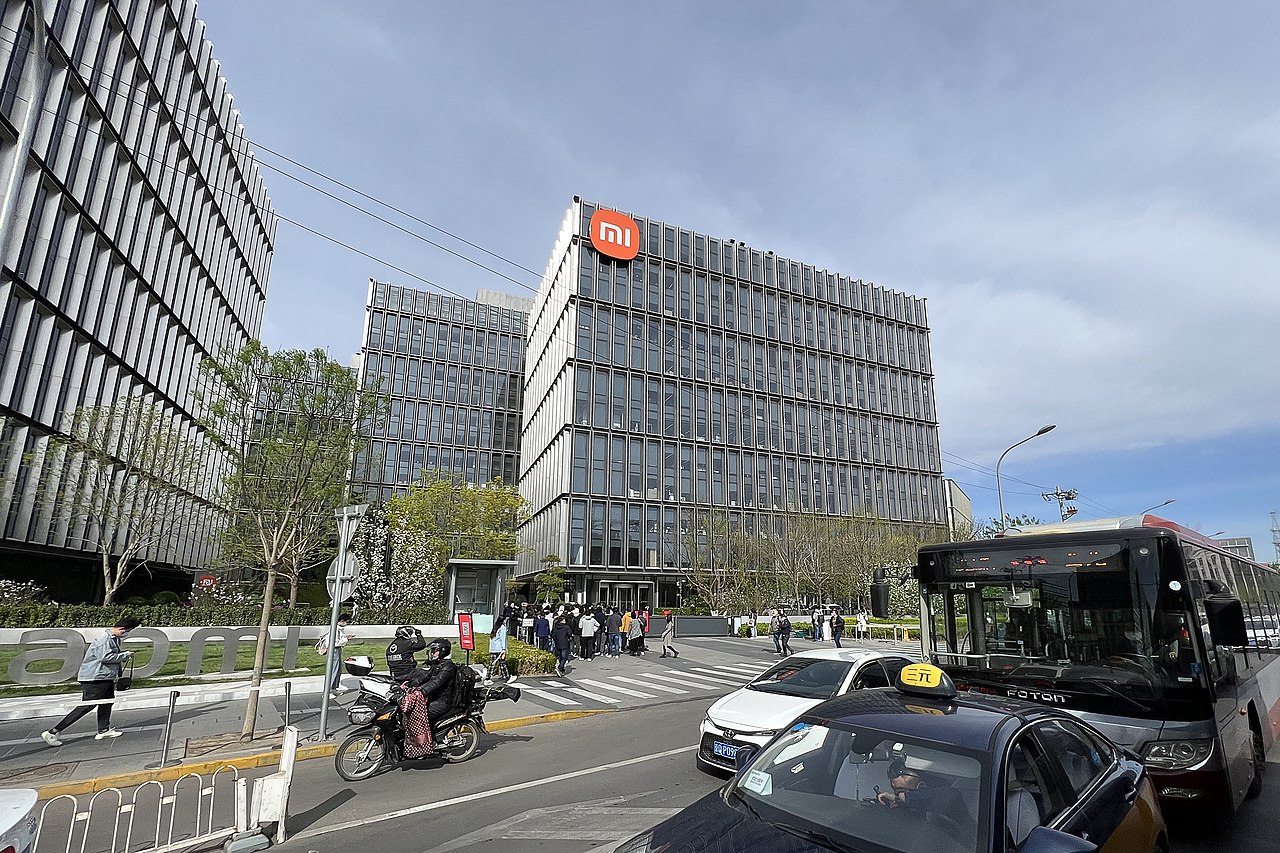
On Thursday, Chinese smartphone maker Xiaomi revealed its highly anticipated electric vehicle, the SU7. With ambitions to become one of the world's top five automakers, Xiaomi aims to make a splash in the competitive electric vehicle market.
However, the launch of the SU7 coincides with challenges in China's auto industry, including overcapacity and slowing demand.
The SU7 and Shared Operating System
According to Reuters, the SU7 sedan is expected to leverage Xiaomi's popular phones by incorporating a shared operating system. The Star said this integration with the company's existing technology adds a unique selling point to the new electric vehicle.
Xiaomi Chief Executive Lei Jun wasted no time expressing his ambitious vision for the company's automotive venture. Lei aims to build "a dream car comparable to Porsche and Tesla" and sees Xiaomi as one of the world's top five automakers in the next 15 to 20 years. Additionally, he hopes to contribute to the growth and development of China's automobile industry.
Diversification into EVs
other tech giants, Xiaomi is venturing beyond its core business to explore electric vehicles. In 2021, the company announced its plans to invest $10 billion over the next decade in its electric vehicle business, officially registered as Xiaomi EV, Inc. This strategic move reflects Xiaomi's commitment to innovation and expansion into the rapidly growing EV market.
Xiaomi shared its electric vehicle plans during its investor day, which led to a significant surge in its shares on the Hong Kong stock exchange. Investors showed confidence in Xiaomi's capability to thrive in the competitive automotive industry.
With a dedicated team of 300 employees in 2021, Xiaomi is committed to long-term success in the electric vehicle market. The company's substantial investment into its EV business demonstrates its determination to establish a strong presence in the industry.
Overcoming Challenges
The timing of Xiaomi's entry into the electric vehicle market presents challenges. China's auto industry faces a capacity glut and slowing demand, leading to intense price competition. Xiaomi will need to navigate these obstacles to achieve its ambitious goals.








.jpg)