


 Taiwan Says Moving 40% of Semiconductor Production to the U.S. Is Impossible
  Bosnian Serb Presidential Rerun Confirms Victory for Dodik Ally Amid Allegations of Irregularities
  Trump Says “Very Good Talks” Underway on Russia-Ukraine War as Peace Efforts Continue
  Trump Slams Super Bowl Halftime Show Featuring Bad Bunny
  Anutin’s Bhumjaithai Party Wins Thai Election, Signals Shift Toward Political Stability
  Trump Backs Nexstar–Tegna Merger Amid Shifting U.S. Media Landscape
  China Overturns Death Sentence of Canadian Robert Schellenberg, Signaling Thaw in Canada-China Relations
  Trump Lifts 25% Tariff on Indian Goods in Strategic U.S.–India Trade and Energy Deal
  Trump Administration Appeals Court Order to Release Hudson Tunnel Project Funding
  Israel Approves West Bank Measures Expanding Settler Land Access
  Nicaragua Ends Visa-Free Entry for Cubans, Disrupting Key Migration Route to the U.S.
  Sydney Braces for Pro-Palestine Protests During Israeli President Isaac Herzog’s Visit
  Japan’s Prime Minister Sanae Takaichi Secures Historic Election Win, Shaking Markets and Regional Politics
  India–U.S. Interim Trade Pact Cuts Auto Tariffs but Leaves Tesla Out
  Trump’s Inflation Claims Clash With Voters’ Cost-of-Living Reality
  Ohio Man Indicted for Alleged Threat Against Vice President JD Vance, Faces Additional Federal Charges


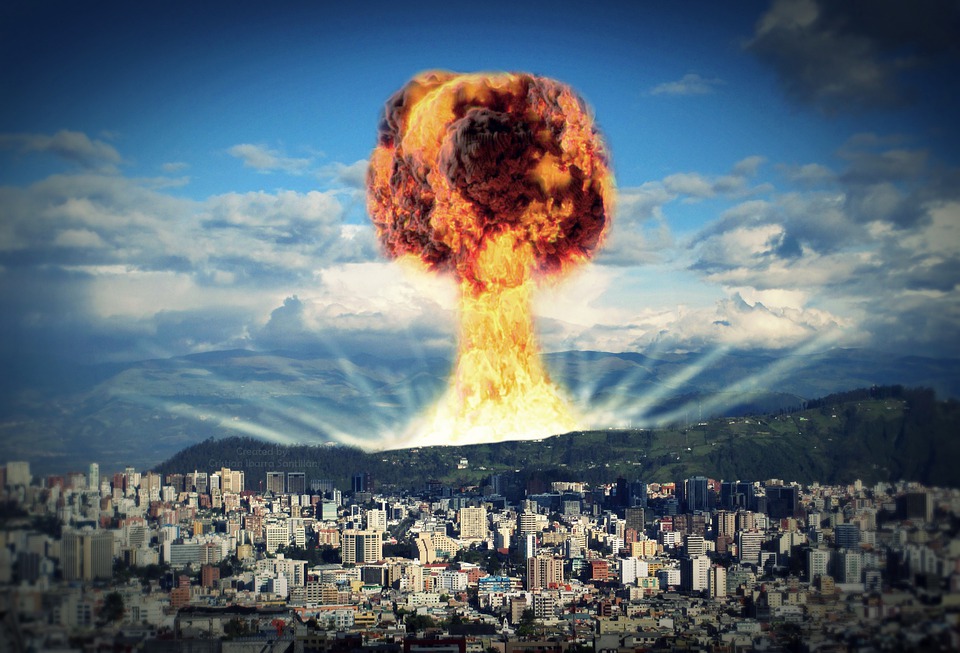
Despite Iran’s insistence of its developing a peaceful nuclear program, its tensions with the United States over the aspect have increased fears of a world war 3-type of a situation happening. With Iran warning the US to return to the nuclear deal, Germany has also weighed in, warning Iran against its possible decision to ban UN nuclear inspectors.
On Monday, Iran announced that it will be restricting an inspection from the United Nations’ nuclear watchdog the International Atomic Energy Agency next week. Germany has since issued a warning to the Islamic nation against making such a move, calling the restriction “unacceptable.” Iran demanded the countries that are part of the 2015 nuclear deal to abide by the terms set forth in the agreement or it would purposely breach the agreement. Iran also warned that it would ramp up its efforts of uranium enrichment following the murder of its top nuclear scientist Mohsen Fakhrizadeh in 2020.
“It would be completely unacceptable should Iran obstruct IAEA inspections,” said a German diplomatic source. “We urge Iran to refrain from this step and are in close contact regarding this issue with our partners, including the United States.”
The tensions over the nuclear deal began as both Iran and the US withdrew from the nuclear deal, with the US leaving under the Trump administration and instead imposing economic sanctions on the Islamic nation. With Joe Biden now as president, he has pledged to bring the US back to the nuclear deal if Iran would cease its uranium enrichment. However, Biden has reimposed the Trump-era sanctions on Iran. Iran’s Supreme Leader Ayatollah Khamenei has responded by demanding that the US lift all sanctions on the Islamic nation if it wants Iran to uphold the nuclear agreement.
China’s growing presence and geo-political conflicts with other countries including the US is also raising concerns of a possible world war 3-type of situation happening. Beijing, under President Xi Jinping’s direction, deployed Chinese ships armed with cannons into Japan’s waters. The ships were sent into the East China Sea in the vicinity of the Senkaku Islands, a point of contention between the two countries who both claim control. China’s deployment of vessels has since received backlash as the Communist nation is now accused of breaking international law.













