


 U.S. Lawmakers to Review Unredacted Jeffrey Epstein DOJ Files Starting Monday
  Trump Backs Nexstar–Tegna Merger Amid Shifting U.S. Media Landscape
  Britain has almost 1 million young people not in work or education – here’s what evidence shows can change that
  Yes, government influences wages – but not just in the way you might think
  What’s the difference between baking powder and baking soda? It’s subtle, but significant
  Ghislaine Maxwell to Invoke Fifth Amendment at House Oversight Committee Deposition
  Canada’s local food system faces major roadblocks without urgent policy changes
  Japan’s Prime Minister Sanae Takaichi Secures Historic Election Win, Shaking Markets and Regional Politics
  Bosnian Serb Presidential Rerun Confirms Victory for Dodik Ally Amid Allegations of Irregularities
  Trump Lifts 25% Tariff on Indian Goods in Strategic U.S.–India Trade and Energy Deal
  Israel Approves West Bank Measures Expanding Settler Land Access
  6 simple questions to tell if a ‘finfluencer’ is more flash than cash
  Anutin’s Bhumjaithai Party Wins Thai Election, Signals Shift Toward Political Stability
  Trump Allows Commercial Fishing in Protected New England Waters
  Sydney Braces for Pro-Palestine Protests During Israeli President Isaac Herzog’s Visit
  Stuck in a creativity slump at work? Here are some surprising ways to get your spark back


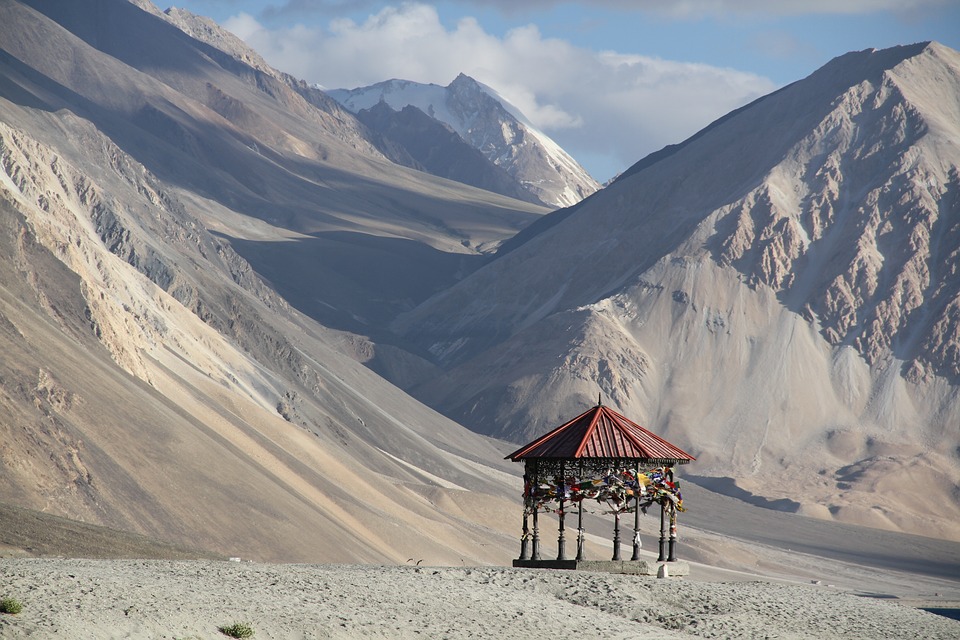
India and China have a long-running dispute over control of the Himalayas which spans across both countries, with fears that World War 3 may break out from the deep-seated conflict. India recently announced the provocative measures taken by Beijing troops to try and demonstrate its power and attempt in breaking the military ceasefire.
Express reports the Indian army released a statement regarding the attempts by Beijing troops to break the ceasefire set in place over the longtime border dispute over the weekend. They noted the provocative demonstrations being done by Beijing’s troops.
“On the night of 29/30 August 2020, PLA troops violated the previous consensus arrived at during military and diplomatic engagements during the ongoing standoff in Eastern Ladakh and carried out provocative military measures to change the status quo,” said the statement.
India’s military was also revealed to successfully intercept these attempts by strengthening their stance at the south bank of Pangong Tso Lake. The last serious altercation happened back in June, when 20 Indian soldiers were killed by Chinese troops at the Kashmir region. It was the first heated altercation in 45 years. Many of the Indian soldiers that were killed died as a result of the freezing temperatures in the terrain after they fell or were pushed into the river.
Since the encounter, the Galwan river valley has seen an increase in numbers of Indian soldiers.
Meanwhile, China’s tensions with the United States as well as other Asian countries in the long-disputed South China Sea have since escalated. This has led the US and Japan to establish an alliance in an effort to destabilize China’s attempts at asserting control over the South China Sea.
US Defense Minister Mark Esper met with his Japanese counterpart Taro Kono in Guam over the weekend. During their meeting, they reaffirmed their countries’ opposition against attempts at aggressively changing the “status quo” over the South China Sea. According to Kono, Esper reiterated Washington’s pledge to help defend Japan’s control of the East China Sea islets.
“As for the South and East China seas, we confirmed that Japan and the United States will strongly oppose unilaterally changing the status quo by force,” said Kono during a virtual press conference.













