


 Asian Currencies Stabilize as U.S. Dollar Remains Strong Ahead of Key Jobs Data
  U.S. Condemns China's Dominance in Global Shipbuilding and Maritime Sectors
  Australia Passes Major Tax Reform Bill to Boost Housing Affordability and Cut Taxes for Workers
  Bitcoin Hits $100K Milestone Amid Optimism Over Trump Policies
  Indonesia Passes New Central Bank Law, Raising Investor Concerns Over Policy Independence
  Do investment tax breaks work? A new study finds the evidence is ‘mixed at best’
  Gold Prices Slide as Strong Dollar and Rate Concerns Pressure Bullion
  US-Iran Gulf Clash Raises Oil Market and Defense Stock Concerns
  Australia Trade Surplus Jumps in April as Iron Ore and Coal Exports Surge
  Oil Prices Slip but End Two-Week Losing Streak as Middle East Tensions Persist in 2026
  Asian Stocks Rally as AI Optimism and Tech Surge Lift Regional Markets in 2026
  KiwiSaver shakeup: private asset investment has risks that could outweigh the rewards
  U.S. Stock Futures Rise as Trump Takes Office, Corporate Earnings Awaited
  Asian Stocks Decline as Investors Exit Tech Shares Ahead of U.S. Jobs Data
  US Dollar Holds Near Two-Month High as Fed Rate Outlook and Middle East Tensions Boost Demand
  US Employment Growth Likely Slowed in May as Labor Market Remains Stable Amid Oil Price Pressures
  Oil Prices Ease After Rally as Traders Weigh Middle East Risks and U.S. Supply Tightening


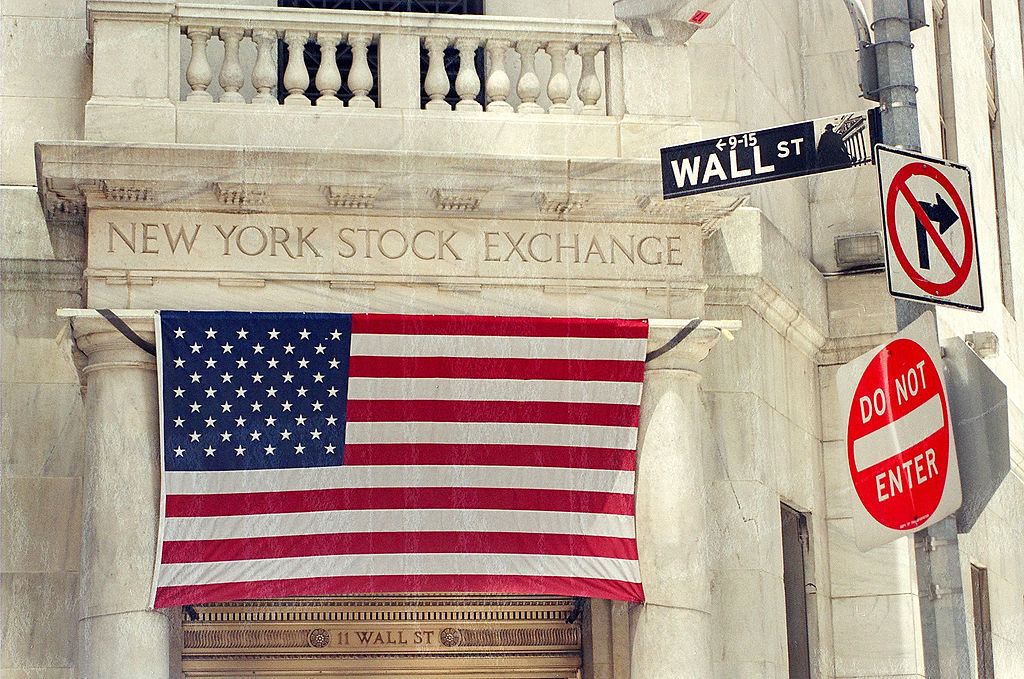

The number of new COVID-19 cases in the U.S. is still climbing rapidly, over 20 million Americans remain unemployed, dozens of major companies have reportedly filed for bankruptcy, the country is officially in a recession and there’s still no vaccine in sight. Yet America’s main stock market index has surged as much as 44% since hitting a three-year low on March 23, erasing most of its coronavirus losses.
What’s going on?
As an economist who closely follows financial markets, I believe the short answer is the Fed.
On March 22, just before the Standard & Poor’s 500 bottomed out, the U.S. Federal Reserve announced it would begin buying an unprecedented array of assets, including corporate bonds, for the first time. The Fed, which later committed to buying up to US$2.3 trillion in assets, also said it would increase funding to its Exchange Stabilization Fund – which helps regulate the foreign currencies trade – and would purchase more U.S. government bonds and mortgage-backed securities.
The Fed’s decision to begin buying corporate bonds matters to stock investors because it ensures corporations can access credit markets and borrow at very low rates, which ultimately leads to higher profits down the road. Borrowing costs, or yields, on top-rated corporate bonds are about the lowest in at least a century.
This had a second positive impact on stock investors by signaling that the Fed’s unprecedented firepower will eventually be able to restore economic stability, mitigating concerns that the economic and health crises would cause a financial crisis. In just the past few weeks, the amount of securities held by the central bank has swelled from under $4 trillion to $5.96 trillion as of June 3 because of its massive purchases of various securities.
So in a nutshell, despite the dire economic situation still sharply felt by so many, particularly consumers, investors have been fueling and experiencing a sudden bull market, built on optimism that the Fed has put a bottom under the economy – just as it did during the Great Recession in 2008.
Will it last? A sharp crash on June 11, over concerns of a second wave of coronavirus infections, suggests that day traders should tread carefully. Dr. Anthony Fauci’s “worst nightmare” isn’t over yet.
Jonathan T. Fluharty-Jaidee does not work for, consult, own shares in or receive funding from any company or organization that would benefit from this article, and has disclosed no relevant affiliations beyond their academic appointment.







