


 Seagate Stock Jumps as AI-Fueled Earnings Beat and Strong FY2027 Outlook Impress Investors
  OpenAI Revenue Surges After GPT-5.6 Launch as IPO Expectations Grow
  Meta-backed research finds exposure to ‘untrustworthy’ social media is rare. The fine print is less reassuring
  Qualcomm Stock Falls as Weak Q4 Forecast, Apple Revenue Decline Overshadow AI Data Center Growth
  Meta Stock Drops After Earnings Miss as AI Spending and Legal Costs Weigh on Profit
  SK Hynix Q2 Profit Hits Record as AI Memory Chip Demand Fuels Growth
  Starbucks Stock Jumps as Q3 Earnings Beat, Sales Growth Drives Higher 2026 Outlook
  TSMC Gradually Restarts Japan Chip Plant After Kumamoto Earthquake
  Same sparkle, different story: how lab-grown diamonds are transforming the market
  Exosens H1 Profit Beats Forecasts as Defense Demand Drives Growth
  Samsung Q2 Profit Surges on AI Memory Chip Demand, Forecasts Strong Second Half
  Chipotle Q2 Earnings Beat Expectations as Sales Growth Drives Higher 2026 Outlook
  Russia Charges Telegram Founder Pavel Durov With Facilitating Terrorism, Seeks International Arrest
  Sika Raises 2026 Sales Outlook After Strong First-Half Results Beat Expectations
  BHP, Port Hedland Unions Fail to Reach Wage Deal as Negotiations Continue
  Unilever Raises 2026 Sales Outlook After Strong Q2 Volume Growth


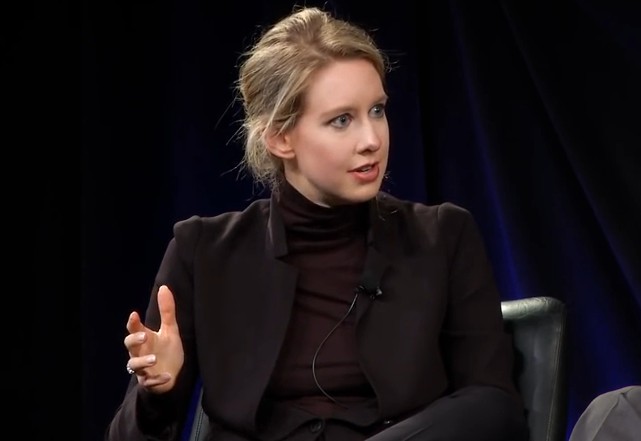
Early in 2015, Theranos was one of the most valued companies in Silicon Valley. It purported to dramatically streamline blood testing and make the whole process a lot less daunting for patients. The founder of Theranos, Elizabeth Holmes, told investors that the company was developing and selling technology that could perform comprehensive blood tests with just a drop of blood, as opposed to vials of blood required for traditional tests.
The once-promising company’s downfall three years ago has been dramatic. Far from being the next Steve Jobs, Holmes is now facing fraud charges and possibly decades in prison for misleading investors. The $9 billion value of Theranos is all but wiped out. How did this come to be?
Perhaps the more pressing question is, how did Theranos manage to con Silicon Valley? How were experienced investors not able to see through the con? And more importantly, what can investors, in general, learn from this dramatic financial disaster?
Theranos Exposed the Dangers of Media Sensationalism
Theranos was made and unmade by the media. The company and its founder rose to celebrity status, largely thanks to a glowing cover story published in the popular Fortune magazine. The article praised Holmes as the next-gen Steve Jobs while reiterating what Theranos claimed about its blood testing tech, which turned out to be outright lies.
Less than two years after the Fortune article was published, The Wall Street Journal publicized another major story about the company. Rather than praising Holmes, the investigative article shed light on burning questions surrounding its technology. As it turns out, Theranos was hardly using cutting-edge blood testing technology. Instead, it was blatantly lying to customers, shareholders, and partner businesses about its services.
The WSJ article prompted a federal investigation into Theranos that unearthed the massive fraud. By that time, investors in the company had already lost much of their capital. It’s difficult to come up with a better example of the dangers of making investment decisions based on media stories.
Investors should never base their decisions on popular news articles. Rather, it’s important to read multiple sources of news to get a full picture. The author of the Fortune article later retracted some of the claims made in it. Likewise, news stories could change as new information becomes available.
This is particularly important for investors who read the newspapers to decide on which stocks to buy now. Don’t let news trends determine your investment decisions because these rarely showcase long-term trends.
Hero Worship Can and Will Derail Investors
One of the reasons Theranos seemed so appealing to investors was because of the charismatic founder CEO who styled herself as an industry disrupter. Her story was deliberately designed to attract celebrity worship. It ultimately turned out to be a fairy tale based on fantastical claims.
The whole story is a giant red flag, especially to new investors who make their decisions based on a form of hero worship. Don’t buy stocks from a company just because you think the CEO is “cool.” Judge the value of the business based on its products, practices, demand, and similar practical matters, rather than on the celebrity status of the founder.
Be Aware of Confirmation Bias and Herd Mentality
Theranos was initially boosted not by some fringe group, but by investment experts and people highly knowledgeable in the field. Psychologists would call this a type of herd mentality, where people tend to do what everyone else in the group does. When one or two influential investors started buying Theranos stock, others followed suit instead of conducting their own research.
The story of Theranos is a great example of why investors are warned against following the herd mentality. If the herd is heading towards a cliff, you would also fall off if you were to follow the rest.
Theranos is a remarkable cautionary tale about investing gone seriously wrong. It exposes the fact that even modern investors are not invulnerable to certain age-old biases and manipulation tactics. New investors should pay attention to the story of Theranos and take heed not to repeat the same mistakes.
This article does not necessarily reflect the opinions of the editors or management of EconoTimes.







