


 Trump Demands Powell Resign Over Fed Renovation Cost Overruns
  Merz to Meet ECB Frontrunners Knot and De Cos
  Israel Tightens Pilot Security After Flydubai Incident
  Putin Says Western Firms Could Regain Russian Assets
  US Conducts Non-Nuclear Explosion Test to Boost Nuclear Detection
  Trump Taps Dennis Rodman as Kim Jong Un Outreach Continues
  Xi Rest Breaks Cut Trump Summit Schedule, WSJ Reports
  Iran Faces Rising Pressure as U.S. Builds Military Presence
  Trump Says Iran War Could End Soon After Midterms
  Lula Leads Flavio Bolsonaro 48%-45% in Datafolha Poll
  Netanyahu Says Israel May Join Flydubai Crash Attempt Probe
  Netanyahu Vows Probe Into Foiled Flydubai Crash Attempt
  Russia Warns NATO of Nuclear Response Over Kaliningrad
  Brazil Presidential Debate Canceled as Lula, Bolsonaro Skip Event
  TRUMP Memecoin Launches New Dinner Contest


 Add as a preferred source on Google
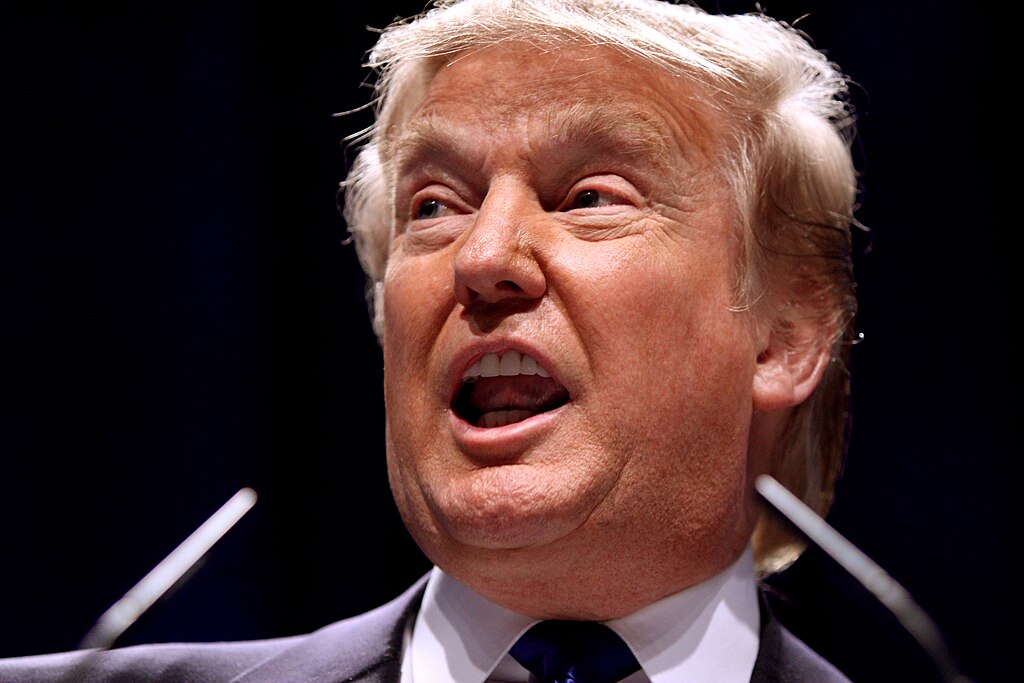
President Donald Trump has announced a sweeping public health strategy for 2025, promising to improve healthcare accessibility, boost pandemic preparedness, and reform federal health agencies. In a detailed briefing at the White House on Tuesday, Trump’s administration unveiled a multi-pronged approach focused on modernizing health initiatives to meet the demands of a growing population. However, critics have raised questions about whether the proposed measures prioritize efficiency over equity.
The new plan includes ambitious goals to reduce chronic disease rates, expand vaccine distribution infrastructure, and establish a faster approval process for new drugs and treatments. Trump emphasized the need to reduce bureaucratic red tape, asserting that regulatory delays in healthcare cost lives.
“Our public health systems are outdated and inefficient,” Trump said. “It’s time to give Americans the healthcare innovation they deserve.”
Key Initiatives and Potential Controversies
Revamping the CDC and FDA
A cornerstone of Trump’s plan is the proposed overhaul of the Centers for Disease Control and Prevention (CDC) and the Food and Drug Administration (FDA). The administration seeks to streamline their operations by reducing procedural barriers that slow down drug approvals and public health initiatives. Trump highlighted the importance of accelerating vaccine production and responding swiftly to potential health crises.
However, health experts worry that reducing oversight could compromise safety. Critics argue that bypassing traditional regulatory processes might lead to inadequate testing of drugs and treatments, endangering public health.
Investments in Rural Healthcare
To address healthcare inequities, Trump’s strategy includes a $10 billion investment in rural health clinics, aiming to expand access to underserved communities. These funds will be used to modernize facilities, provide telehealth services, and attract healthcare professionals to remote areas.
Despite this effort, some public health advocates believe the investment may fall short of addressing deeper systemic issues, such as the lack of affordable health insurance and high out-of-pocket costs for patients.
Public Reaction Divided Along Partisan Lines
The announcement has sparked a wave of responses on social media, with reactions ranging from enthusiastic support to sharp criticism. Many Americans have taken to Twitter to express their views:
- @HealthForAll: “Modernizing the CDC sounds great on paper, but at what cost to public safety? Watch closely, folks.”
- @RuralCare2025: “Finally, a president who cares about rural America. These investments could save thousands of lives!”
- @PharmaWatchdog: “Fewer regulations mean fewer safeguards. Trump is gambling with our lives.”
- @HealthyNation2025: “Public health reform is overdue. Let’s give this plan a chance before jumping to conclusions.”
- @VaccineAdvocate: “Faster vaccine approvals? As long as they’re safe, this could revolutionize public health response.”
- @EquityMatters: “What about urban areas facing public health crises? This plan leaves out millions.”
Challenges in Execution
While the strategy appears comprehensive, experts warn of significant challenges. Public health officials note that proposed regulatory reforms could face legal hurdles and resistance from advocacy groups. Additionally, achieving rural healthcare improvements will require long-term commitments beyond 2025, potentially straining federal resources.
Critics also point out that the plan lacks specifics on how funding will be allocated, particularly for urban areas grappling with public health crises. Transparency and collaboration with state governments will be critical to ensure the success of these initiatives.







