


 Nippon Paint Reportedly Offers Up to €7.5 Billion for Akzo Nobel Decorative Paints Business
  Genesis Minerals to Acquire Vault in A$5.6 Billion Deal After Regis Withdraws
  SoftBank Corp Partners With Sierra to Expand AI Customer Support Across Japan
  Morgan Stanley Names Marks & Spencer Top European Retail Pick, Sees Strong Upside
  Kitron Q2 Revenue Beats Estimates as Defense Demand Lifts Growth
  Elon Musk Says Anthropic Leads AI Race as Claude Models Challenge OpenAI
  Morgan Stanley Says China’s Reusable Rocket Progress Poses Long-Term Challenge to SpaceX
  Apple Sues OpenAI, Former Employees Over Alleged Trade Secret Theft
  Australia Flags Child Safety Gaps at Apple, Meta, Google Over Online Sexual Extortion
  Deutsche Bank Fined A$2 Million by ASIC Over OTC Derivatives Reporting Errors
  Nvidia Tightens AI Chip Sales in Asia With Stricter Customer Approval Process
  SK Hynix Shares Drop After Strong Nasdaq Debut Despite $26 Billion ADR Listing
  Samsung to Launch First Yongin Chip Plant by 2029 as South Korea Speeds Up Semiconductor Hub
  Goldman AM Sees Strong Buyout Opportunities in Japan, South Korea and Australia
  SK Hynix Prices Record U.S. ADR Offering at $149 After $200 Billion Investor Demand
  UBS Starts CarTrade Tech With Buy Rating, Sees Strong Earnings Growth and ₹4,000 Target
  TSMC Q2 Revenue Surges 36% as AI Chip Demand Powers Growth Ahead of Earnings


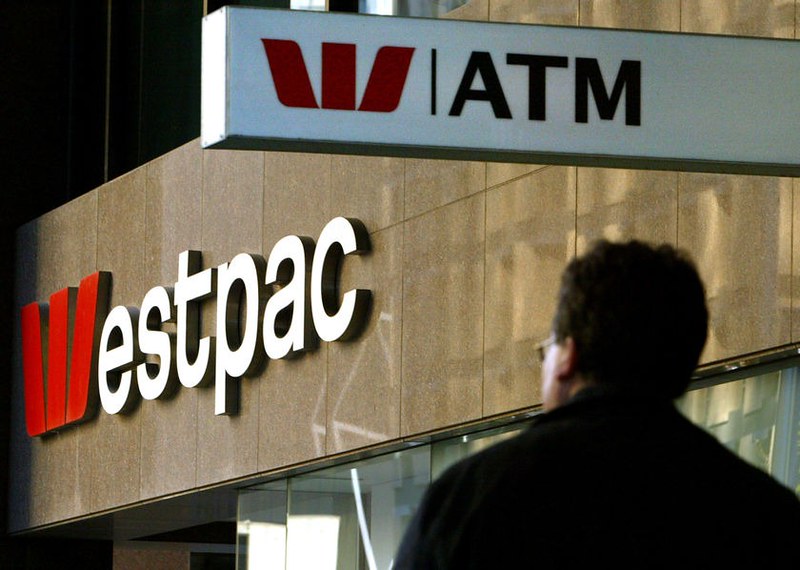
Westpac Banking Corp’s non-executive director Peter Nash has largely withstood an investor backlash tied to his previous role at the Australian Securities Exchange (ASX), according to proxy votes disclosed during the bank’s annual meeting in Sydney. Despite concerns raised by influential proxy advisors, only about 40% of shareholders voted against Nash’s re-election to the board—well short of the 50% opposition required to block his return. Final voting results are expected later on Thursday.
Nash’s critics pointed to his six-year tenure on the ASX board during a period marked by operational failures and growing regulatory pressure. The ASX has faced public scrutiny following several high-profile issues, including last year’s trading and settlement outage that intensified calls for improved oversight of Australia’s market operator.
Outside the annual meeting, climate activists staged protests urging Westpac to reduce lending to fossil fuel companies—an issue that continues to attract public and investor attention. Inside the meeting, however, executives shifted focus to another pressing challenge: online scams. Chief Executive Anthony Miller urged stronger accountability from digital platforms, particularly Meta, saying banks alone cannot effectively combat the surge in online fraud targeting Australian consumers.
Miller noted that Westpac has invested more than A$500 million over the past five years in fraud-prevention technology and customer-protection systems. These efforts contributed to a 21% decline in scam losses this year and prevented more than A$360 million in potential customer losses. Still, he emphasized that a significant share of scams originates on social media and messaging platforms, making broader industry cooperation essential.
Australian banks have increasingly pushed for tighter rules on digital platforms. Meta previously stated it has removed around 8,000 deceptive “celeb-bait” ads—many using AI-generated images of well-known personalities—that were designed to lure consumers into fraudulent investment schemes.







