


 OpenAI Data Center Chief Chris Malone Exits Ahead of Planned 2027 Listing
  Nvidia Revenue Soars 106% as AI Demand Hits ‘Inflection Point’
  Pinterest Stock Falls as CFO Julia Brau Donnelly Resigns
  U.S. Disrupts China-Linked Hacking Campaign Targeting Government Agencies
  Meta Agrees to $18 Billion Settlement, Tightens Teen Social Media Rules
  Trump Buys SpaceX Shares After Record IPO
  U.S. Probes Apex Logistics Over Nvidia AI Chip Shipments to China
  SoftBank Eyes $20 Billion Bond Sale to Refinance OpenAI Loan
  SK Hynix Shares Fall as Workers Reject Wage Deal
  Nvidia Pauses AI Cloud Financing Deals Amid Antitrust Concerns
  Nvidia Reportedly Eyes $13 Billion Hugging Face Acquisition
  Luxshare Shares Rise as First-Half Profit Jumps 18%
  Google Expands Gemini Enterprise With AI Tools for Legal Sector
  Samsung Shares Tumble 8% as $79 Billion Return Plan Disappoints
  BofA Names ASML Top Semiconductor Equipment Pick on Growth, Valuation
  Faraday Future Delivers First Robots in Middle East, Plans September Launches


 Add as a preferred source on Google
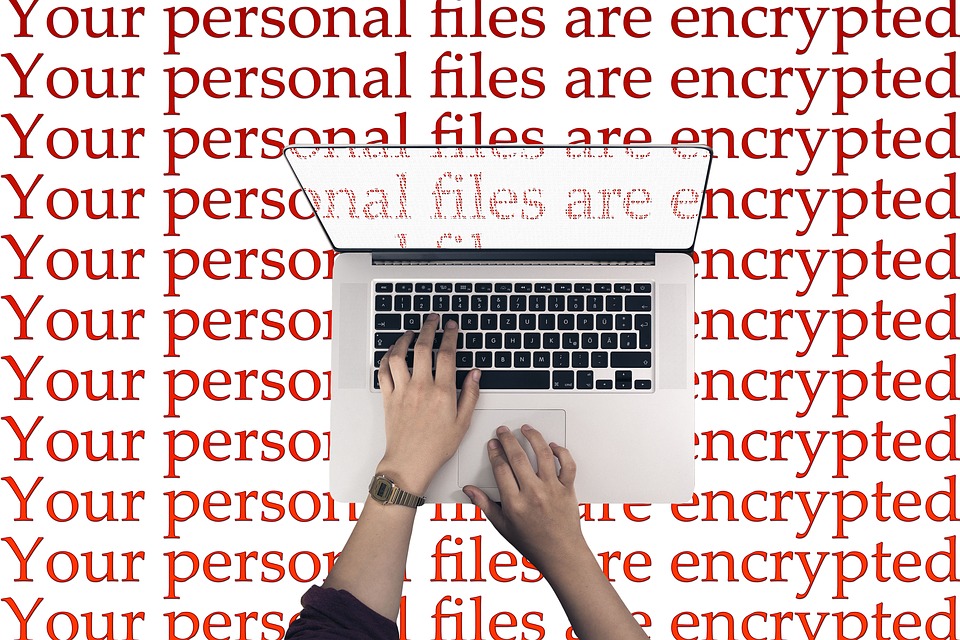
Hackers are a complicated bunch, where yesterday’s heroes could become today’s villains. Case in point, the person who was credited for helping to finally put a stop to the WannaCry ransomware debacle was just arrested by the FBI. His arrest apparently has something to do with another malware that the hacker is accused of creating, which is meant to steal banking information.
The hacker in question is British citizen Marcus Hutchins, 22, and he was taken by federal agents in Las Vegas while attending a conference, NPR reports. Hutchins is now facing accusations of creating a malware called Kronos and distributing it, which would allow clients to steal the online banking information of users.
In a statement, the US Justice Department indicated that the investigation has actually been going on for two years, at which point the federal grand jury assigned to the case slapped Hutchins with six counts of indictments. The hacker is now looking at one count of “conspiracy to commit computer fraud and abuse” with the rest involving the distribution as well as advertising a device for intercepting communications.
The Kronos crime apparently occurred back in 2014 and lasted until the next year, with several financial information already having been stolen. What makes this case rather interesting, however, is that Hutchins is a known cyber security asset, not a criminal hacker. This is why many are now questioning the case and his arrest.
In a WIRED piece covering the case, George Washington University cyber security specialist Orin Kerr expressed suspicion with regards to the arrest of Hutchins. Apparently, based on the indictment, he shouldn’t have been taken at all.
"It’s not a crime to create malware. It’s not a crime to sell malware. It’s a crime to sell malware with the intent to further someone else’s crime." Kerr explains. "This story alone doesn’t really fit. There's got to be more to it, or it’s going to run into legal problems."







