


 Nations will release an extra 400 million barrels of oil to the market. All we need to do now is not panic at the pump
  Dollar Strengthens Amid Oil Price Surge and Inflation Fears
  Diesel Price Surge Threatens Global Economy Amid Middle East Conflict
  ANZ and Westpac Forecast Two RBA Rate Hikes in March and May 2026
  U.S. Futures Slide as Oil Prices Surge on Middle East Shipping Attacks
  U.S.-Israel War on Iran Sends Crude Oil Prices Surging Amid Strait of Hormuz Tensions
  Asian Stock Markets Rise as Oil Prices Pull Back; U.S. CPI in Focus
  Dollar Steadies as Traders Await Clarity on U.S.-Israel-Iran War
  Gold Prices Slip as U.S.-Israel-Iran War Fuels Dollar and Oil Demand
  Asia FX Steady as Iran War Signals and U.S. Inflation Data Weigh on Sentiment
  Chinese AI Stocks Surge as Tencent, MiniMax, and Zhipu Launch Agentic AI Programs
  Asian Markets Retreat as Oil Prices Surge Toward $100 Amid Middle East Tensions
  Dollar Stabilizes Amid Iran War Uncertainty as Oil Prices Remain Elevated
  China's Trade Surplus Surges Past Forecasts in Early 2026
  Asian Currencies Face Pressure as U.S.-Iran Conflict Weighs on Markets
  IEA Releases Record 400 Million Barrels of Oil Amid U.S.-Iran War
  RBA Set for Back-to-Back Rate Hikes, Westpac Forecasts


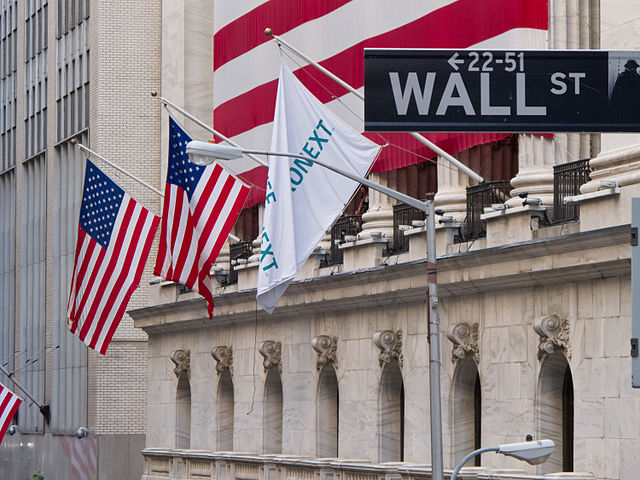
U.S. stock futures edged lower on Thursday evening as renewed pressure on technology and artificial intelligence stocks overshadowed optimism surrounding a more accommodative Federal Reserve. The pullback was driven largely by a sharp decline in Broadcom shares, which fell in after-hours trading despite posting strong quarterly earnings, raising fresh concerns about the sustainability of the AI-led rally.
Broadcom (NASDAQ: AVGO) dropped as much as 5% after the chipmaker warned that its higher-margin, non-AI businesses could see muted performance in the current quarter. Investors were also unsettled by the company’s comments that a major data center deal linked to OpenAI is unlikely to generate meaningful returns until at least 2027. While Broadcom exceeded expectations for fiscal fourth-quarter earnings and issued an above-consensus revenue forecast, the cautious outlook was enough to trigger profit-taking after the stock’s roughly 75% surge so far in 2025. The company did highlight a sizable AI-related order backlog of $73 billion over the next 18 months, but concerns lingered about customer concentration and the possibility of major clients developing in-house AI chips.
Weakness in Broadcom followed a steep selloff in Oracle (NYSE: ORCL), which plunged more than 10% during Thursday’s regular session. Although Oracle delivered solid earnings, investor skepticism over its exposure to OpenAI and the reliability of its future AI-driven cloud orders weighed heavily on sentiment, dragging down the broader tech sector.
By 19:29 ET, S&P 500 Futures slipped nearly 0.1% to 6,903.75 points, Nasdaq 100 Futures fell 0.2% to 25,671.25 points, and Dow Jones Futures bucked the trend, rising 0.1% to 48,799.0 points. Earlier in the day, Wall Street closed mostly higher, with the S&P 500 and Dow Jones Industrial Average reaching record highs, supported by gains in non-tech stocks.
Investor confidence was bolstered by the Federal Reserve’s decision to cut interest rates by 25 basis points and signal a less hawkish policy stance. Fed Chair Jerome Powell also announced an immediate resumption of asset purchases, with the central bank set to buy $40 billion in Treasury bills per month. The move is expected to inject additional liquidity into financial markets, potentially supporting risk assets in the months ahead, even as near-term volatility persists in the tech and AI sectors.













