


 IEA Plans Record Emergency Oil Release Amid Iran Strait of Hormuz Crisis
  U.S.-Israel War on Iran Sends Crude Oil Prices Surging Amid Strait of Hormuz Tensions
  ANZ and Westpac Forecast Two RBA Rate Hikes in March and May 2026
  Diesel Price Surge Threatens Global Economy Amid Middle East Conflict
  U.S. Futures Slide as Oil Prices Surge on Middle East Shipping Attacks
  Gold Prices Climb Above $5,200 as Iran War Uncertainty and Inflation Data Loom
  Oil Prices Surge Toward $100/Barrel After Tanker Attacks in Iraqi Waters
  Asia FX Steady as Iran War Signals and U.S. Inflation Data Weigh on Sentiment
  UK Housing Market Slows Amid Geopolitical Tensions and Mortgage Rate Fears
  RBA Rate Decision: Deputy Governor Signals Genuine Debate Ahead of March Meeting
  Iran-U.S. Oil Tensions Escalate as Revolutionary Guards Threaten Strait of Hormuz Blockade
  Nations will release an extra 400 million barrels of oil to the market. All we need to do now is not panic at the pump
  Chinese AI Stocks Surge as Tencent, MiniMax, and Zhipu Launch Agentic AI Programs
  China's Trade Surplus Surges Past Forecasts in Early 2026
  Venezuela Names Paula Henao as New Oil Minister Amid U.S.-Led Industry Overhaul
  German Exports Drop 2.3% in January, Exceeding Forecast Decline


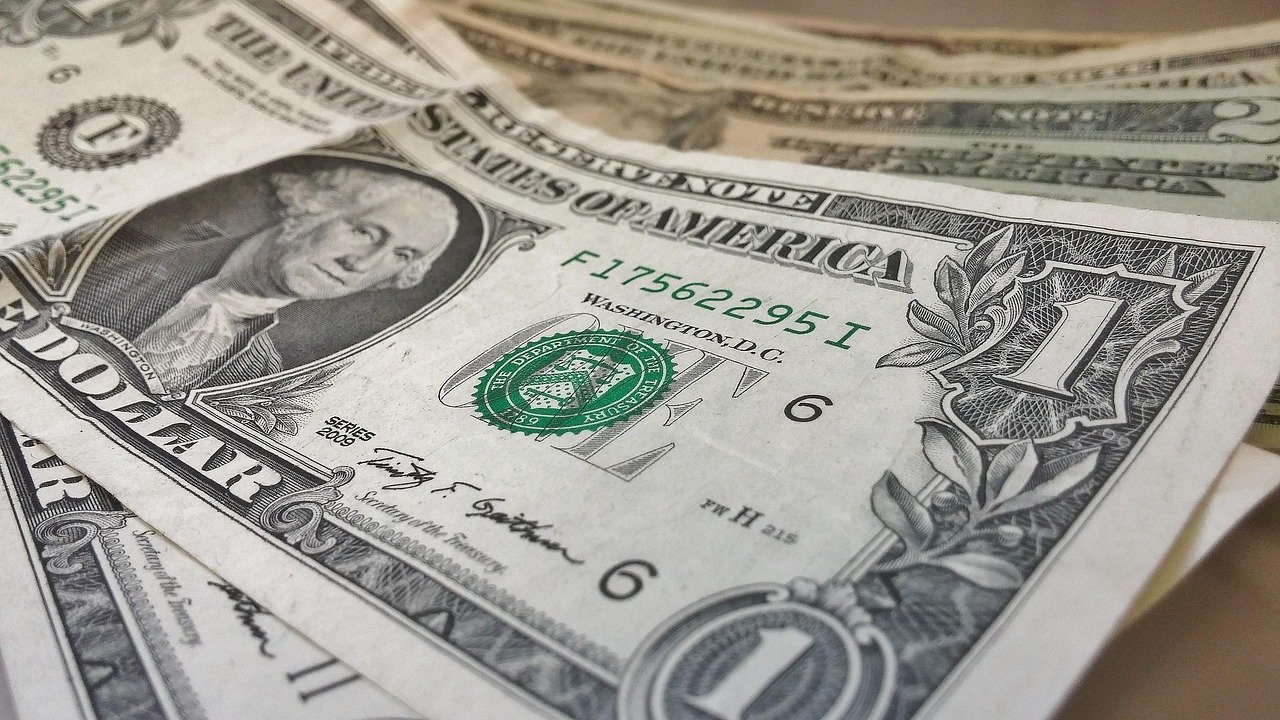
The U.S. dollar regained its footing against major currencies on Tuesday after pulling back from recent highs, following President Donald Trump's statement that the Iran conflict could conclude "very soon." Despite the partial recovery, global financial markets remain on edge as Iran's Revolutionary Guards publicly rejected Trump's remarks as "nonsense," keeping geopolitical tensions firmly in focus.
In Asian trading, the greenback held at 157.73 yen and $1.1632 per euro, retreating slightly from Monday's peaks. The currency had surged earlier as investors sought safe-haven assets amid fears that an extended Iran war could trigger a severe global energy crisis. U.S. and Israeli military operations have effectively halted oil and gas exports through the critical Strait of Hormuz, sending energy prices into overdrive.
Brent crude futures were trading around $93 per barrel — significantly above pre-conflict levels, though retreating from Monday's near $120 peak. Analysts warn the energy market volatility is far from over. Rodrigo Catril, senior currency strategist at National Australia Bank, cautioned that the path to de-escalation remains uncertain, noting that whether Iran would be open to winding down hostilities is still unclear.
Risk-sensitive currencies bore the brunt of the uncertainty, with the Australian dollar slipping 0.2% to $0.7063 and the New Zealand dollar falling 0.4% to $0.5912. Sterling managed to recover from Monday's losses, holding steady at $1.3434.
Investors are increasingly concerned that persistently high energy prices could dampen global economic growth by driving up business costs and reducing consumer spending, while simultaneously discouraging central banks from cutting interest rates.
Deutsche Bank strategist Henry Allen noted that while markets are inching closer to the thresholds that would trigger broader risk-asset selloffs, equities have yet to reach bear-market territory seen during the 2022 Russia-Ukraine energy shock.













