


 Who should own the knowledge that underpins AI technology?
  Big AI wants to slow down AI research. Is it a safety pause or a strategic retreat?
  Trump Vows to Keep U.S. Ahead of China in AI Race
  Databricks to Invest $350 Million in Singapore AI Expansion
  Technicals Over Tightening: Ethereum Rebounds from $2,356 Low After Fed Shock
  FxWirePro- Major Crypto levels and bias summary
  Ex-Google DeepMind Researcher Warns AI Could Pose Existential Threat
  Guterres Urges Stronger Global AI Safeguards Ahead of UN Assembly
  China’s robots can run faster than Usain Bolt – now they are being prepared for war
  Europe can’t achieve space sovereignty alone. Here’s why


 Add as a preferred source on Google
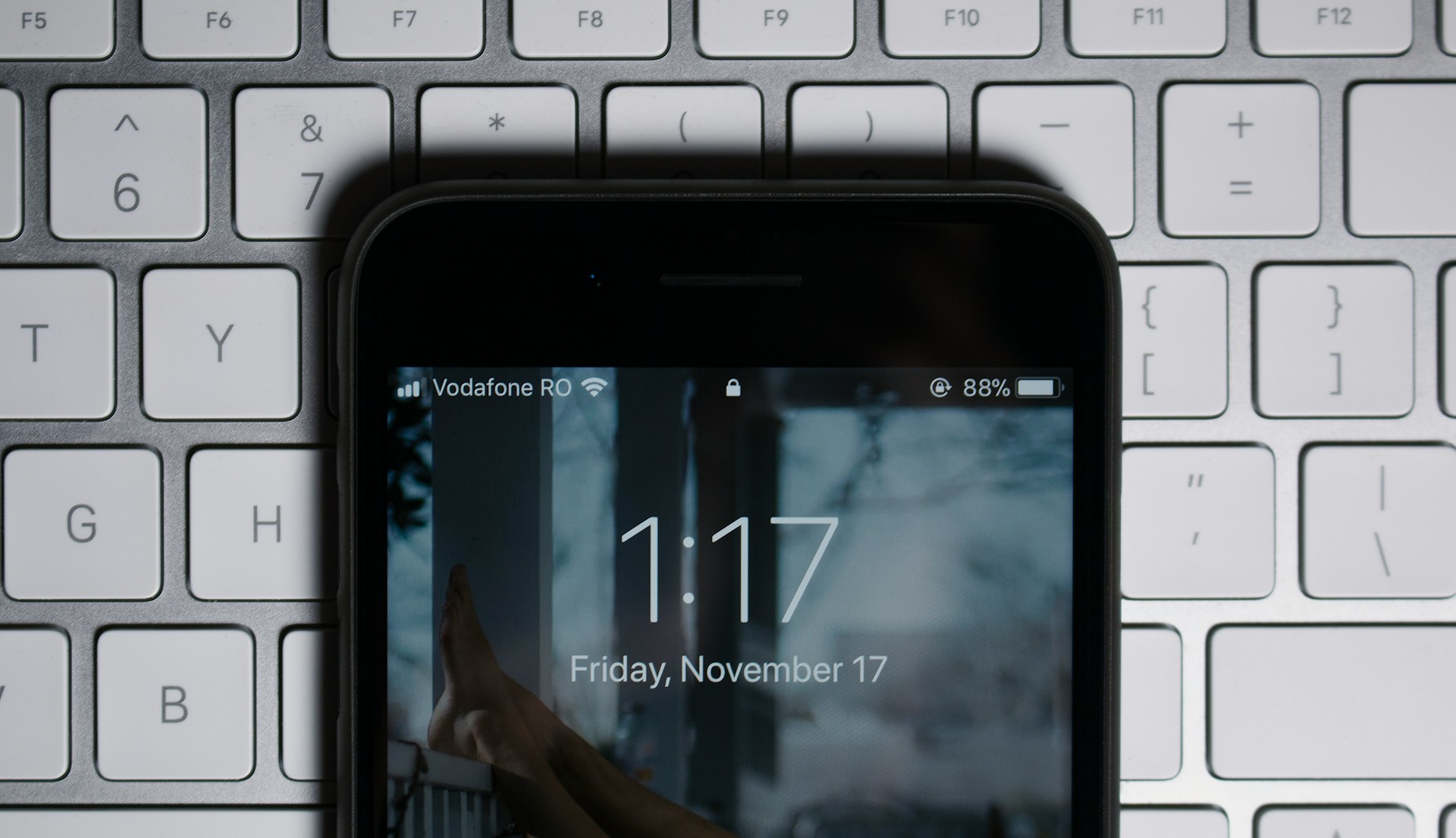
Vodafone, the UK-based telecom giant, is pioneering a groundbreaking initiative to fuse blockchain technology with smartphone functionality by integrating cryptocurrency wallets directly into SIM cards. This innovative move is part of the company's broader financial strategy to secure substantial loans, including $1.8 billion over the next two years.
Revolutionizing Smartphone Technology
Vodafone is reportedly seeking $1.8 billion in loans as part of a plan to raise $2.9 billion in debt. It intends to bring blockchain technology to smartphone consumers by combining cryptocurrency wallets with subscriber identity module (SIM) cards.
The ambitious endeavor comes amid a firm finance strategy that reportedly includes Vodafone Idea Ltd., a separate corporation operating in India in which Vodafone Group owns a 45% stake, incurring approximately $3 billion in debt, including $1.8 billion in loans over the next two years.
Vodafone Blockchain Lead David Palmer recently spoke with Yahoo Finance Future Focus on the company's plans to integrate blockchain technology into smartphone sim cards.
“By 2030 we’re expecting more than 20 billion mobile phones to be in operation, many of those being smartphones. … So we’ve focused on linking the sim card to digital identity, linking the sim card to blockchains, and using the cryptography we have in those sim cards for that integration,” he said.
Palmer expanded on the data he provided, forecasting that approximately eight billion cell phones will be in use by 2030 and that crypto wallets will jump to 5.6 billion in the same time frame—enough to account for nearly 70% of all individuals on the planet.
Financial Strategy for Innovation
Despite the financial wrangle with India-based Vodafone Idea Ltd, which recently sold $2.2 billion in shares ahead of a $3 billion debt-raising plan, Vodafone Group has had a busy 2024.
As Cointelegraph reported, the company has signed a 10-year strategic agreement with Microsoft to provide generative artificial intelligence (AI) services to Vodafone clients.
When Microsoft CEO Satya Nadella announced the deal, he used the opportunity to highlight the disruptive nature of his company's AI technology, claiming that the "new generation of AI will unlock massive new opportunities for every organization and every industry around the world."
This is not a startup's first attempt to integrate cell phone technology and blockchain hardware. In 2019, U.S. startup VaultTel announced plans to construct a physical wallet that could be inserted into a smartphone's SIM slot.
Photo: Fabian Albert/Unsplash







