


 India–U.S. Interim Trade Pact Cuts Auto Tariffs but Leaves Tesla Out
  Japan Election 2026: Sanae Takaichi Poised for Landslide Win Despite Record Snowfall
  Jack Lang Resigns as Head of Arab World Institute Amid Epstein Controversy
  US Pushes Ukraine-Russia Peace Talks Before Summer Amid Escalating Attacks
  Trump Says “Very Good Talks” Underway on Russia-Ukraine War as Peace Efforts Continue
  Trump Signs Executive Order Threatening 25% Tariffs on Countries Trading With Iran
  China Warns US Arms Sales to Taiwan Could Disrupt Trump’s Planned Visit
  Ohio Man Indicted for Alleged Threat Against Vice President JD Vance, Faces Additional Federal Charges
  Pentagon Ends Military Education Programs With Harvard University
  Trump Allows Commercial Fishing in Protected New England Waters
  Trump Backs Nexstar–Tegna Merger Amid Shifting U.S. Media Landscape
  Federal Judge Restores Funding for Gateway Rail Tunnel Project
  Trump Lifts 25% Tariff on Indian Goods in Strategic U.S.–India Trade and Energy Deal
  Antonio José Seguro Poised for Landslide Win in Portugal Presidential Runoff
  Anutin’s Bhumjaithai Party Wins Thai Election, Signals Shift Toward Political Stability
  U.S.-India Trade Framework Signals Major Shift in Tariffs, Energy, and Supply Chains
  Trump’s Inflation Claims Clash With Voters’ Cost-of-Living Reality


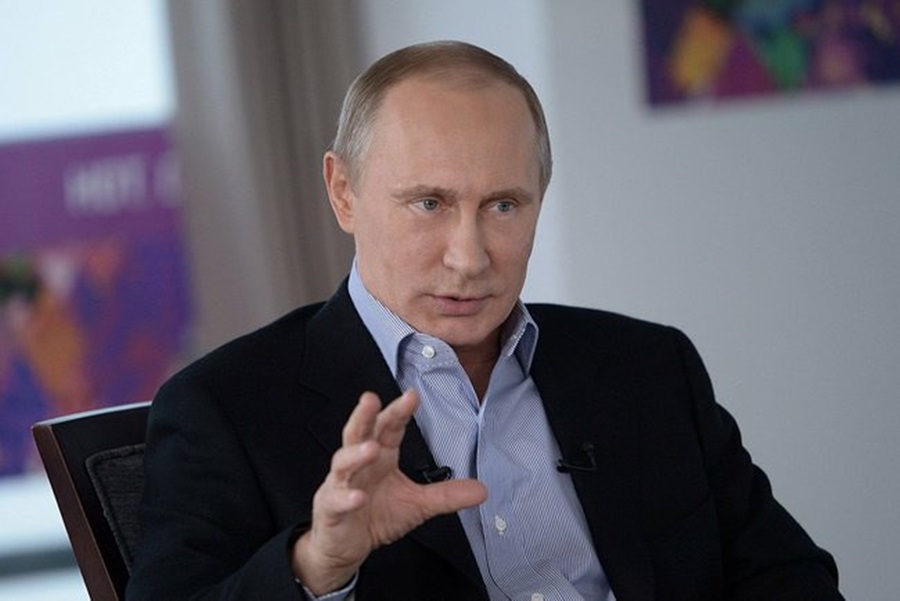
The accusation regarding Vladimir Putin’s involvement in the tampering of the 2016 U.S. presidential election is still making a buzz. And despite the Muller’s report diving deep into the matter, it didn’t find conclusive evidence that Putin was behind the collusion.
What it did result into is the indictment of 12 Russian agents working for the main Kremlin intelligence service. The group have been accused of hacking and seizing emails and documents of Hilary Clinton’s presidential campaign and used their expertise to sway the previous election to favor Donald Trump, Salon reported.
There is strong evidence that the agents were acting on the orders of Vladimir Putin but nothing will come of it if recent developments are anything to go by. Even those that have been indicted have not been extradited to the United States as Putin is hindering the efforts.
Transitioning on Russian soil, it seems that Vladimir Putin’s position is as solid as ever even though the public’s trust isn’t as concrete as it once was. According to The Moscow Times, the general masses’ overall view on their current leader has declined by 20 percent due to several factors in play.
Russia’s economy is stagnant, political endeavors are vague, and changes that would lead to significant improvement in various sectors are virtually non-existent. But even though this is the case, Vladimir Putin’s reign does bring with it a sort of stability for the region.
Yes, stagnation is detrimental. But challenging the current system will undoubtedly result in an upheaval that would create uncertain transformation for the country. And it’s this very fear of change the reason why Vladimir Putin still holds the reign of Russia. Returning to the United States and the upcoming 2020 elections, a lot of people are expecting that Russia will be trying to impose its influence on the result of the campaigns.
“We also know from separate DOJ charges and administration officials that these efforts continued through the midterms, and are ongoing today. Addressing Russia’s interference is a matter of national security, and will require partisanship to be put aside to take real steps to harden our defenses, deter Russia and other countries that might seek to follow suit, and build societal resilience. A partisan response would not only hamper such efforts; with increasing polarization and weakening our institutions a goal of Putin’s efforts, it would play directly into Putin’s hands,” said Laura Rosenberger of the Alliance for Securing Democracy.













