


 Google Changes EU Spam Policy Amid Antitrust Scrutiny
  Meta Agrees to $18 Billion Settlement, Tightens Teen Social Media Rules
  Luxshare Shares Rise as First-Half Profit Jumps 18%
  Pinterest Stock Falls as CFO Julia Brau Donnelly Resigns
  SoftBank Eyes $20 Billion Bond Sale to Refinance OpenAI Loan
  Unitree Shares Plunge 45% After Blockbuster IPO, Raising China Tech Bubble Fears
  Nvidia Pauses AI Cloud Financing Deals Amid Antitrust Concerns
  PayPal Shares Sink as $50 Billion Takeover Bid Collapses
  SpaceX Mobile Network Could Cost Up to $130 Billion, Bernstein Says
  New Zealand Labour Backs Social Media Ban for Under-16s
  Xiaomi Unveils Xring O3 Chip for Flagship Foldable Phone
  Nvidia Reportedly Eyes $13 Billion Hugging Face Acquisition
  HP Stock Drops 9% Despite Q3 Earnings Beat and Raised 2026 Outlook
  Countries Tighten Social Media Bans for Children
  SK Hynix Shares Fall as Workers Reject Wage Deal


 Add as a preferred source on Google
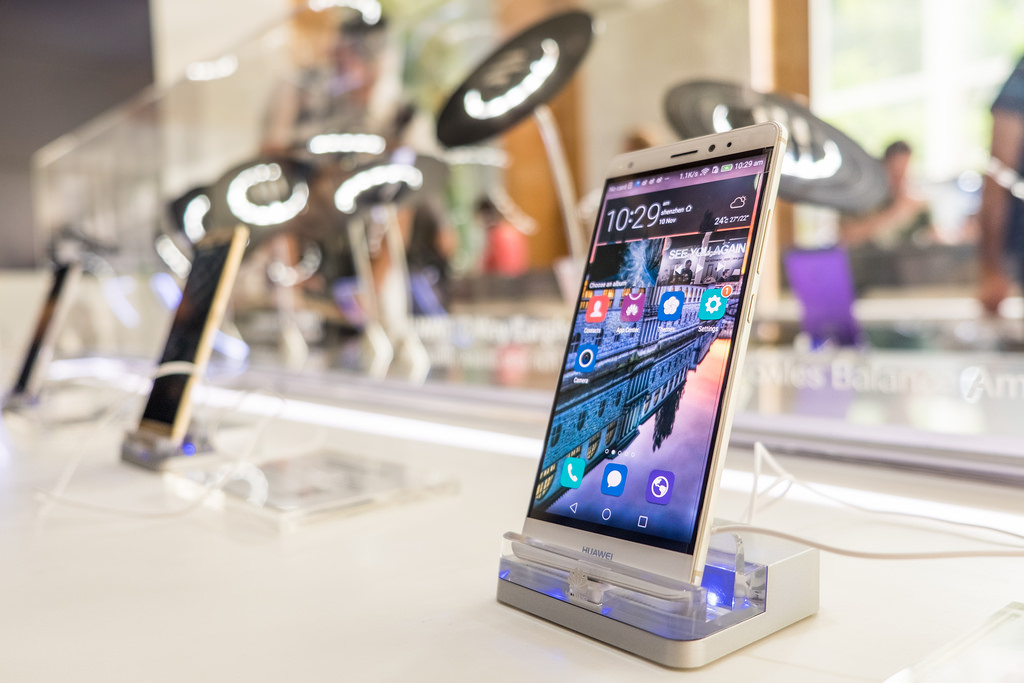
The Chinese tech giant Huawei has been trying to break into the U.S. smartphone market in a big way for some time now. Previously, it had wanted to make a deal with AT&T to carry its devices, but this did not pan out due to political pressure. The company then went to Verizon, which reportedly wanted to do it. Unfortunately for both firms, the U.S. government just will not allow it.
Details surrounding the Chinese manufacturer and the U.S. carrier deal was reported by Bloomberg, which notes that internal sources confirmed interference from the U.S. government. Apparently, if it wasn’t for that, the Huawei Mate 10 Pro units might have been available to U.S. consumers soon via Verizon.
It is worth noting that Verizon would already have been aware of the similar predicament that AT&T faced with the same arrangement with Huawei just this month. Did the carrier really expect that it could resist the political pressure that made its competitor bend?
In any case, the reason for why the federal government is so concerned about the devices is the matter of security and privacy. Smart devices already pose a significant risk to users by containing all of their most sensitive information. However, reports of the Chinese government using its country’s biggest firms to spy on its own citizens have been a source of major concern.
The same concerns would apparently be applied to American citizens once the Huawei products hit the U.S. market en masse. Neither company responded to requests for comments about the matter, CNET reports.
At this point, however, there’s no denying that Huawei badly wants to get into the U.S. market. It already has a tight grip on many other mobile markets in the world, dominating sales in Asia, for example. As ever, though, American consumers are the real prize for foreign manufacturers.







