


 Australia Launches Public Hearings on Bondi Beach Shooting and Rising Antisemitism
  Rubio Presses Italy Over Iran Support as Tensions Test U.S.-Italy Alliance
  China Banks Halt New Loans to Sanctioned Refineries Amid U.S.-Iran Oil Crackdown
  Judge Delays SEC Settlement With Elon Musk Over Twitter Stock Disclosure Case
  US Sanctions Target Iran’s Shadow Banking Network and Terror Financing
  Pope Leo Calls for Peace as Vatican Seeks Better Ties With U.S.
  White House Withdraws Trump’s National Park Service Nominee Amid Criticism
  Panama Defends Port Takeover Amid U.S.-China Tensions and Canal Dispute
  US Adds European Union to Section 301 Watchlist Amid Trade Concerns
  U.S., South Korea Launch Shipbuilding Partnership Initiative
  U.S.-China Beef Trade Deal Hopes Rise Ahead of Trump-Xi Summit
  Russian LNG Shadow Fleet Expands Amid Arctic LNG 2 Sanctions
  Trump Announces Russia-Ukraine Ceasefire for May 9-11 Amid Ongoing Peace Talks
  Trump Reportedly Approves Plan to Remove FDA Commissioner Marty Makary Amid Growing Controversies
  US to Withdraw 5,000 Troops from Germany Amid Growing Rift with European Allies
  UN Experts Condemn Trump’s Cuba Fuel Blockade Amid Deepening Energy Crisis
  Federal and State Authorities Conduct Widespread Fraud Raids Across Minnesota


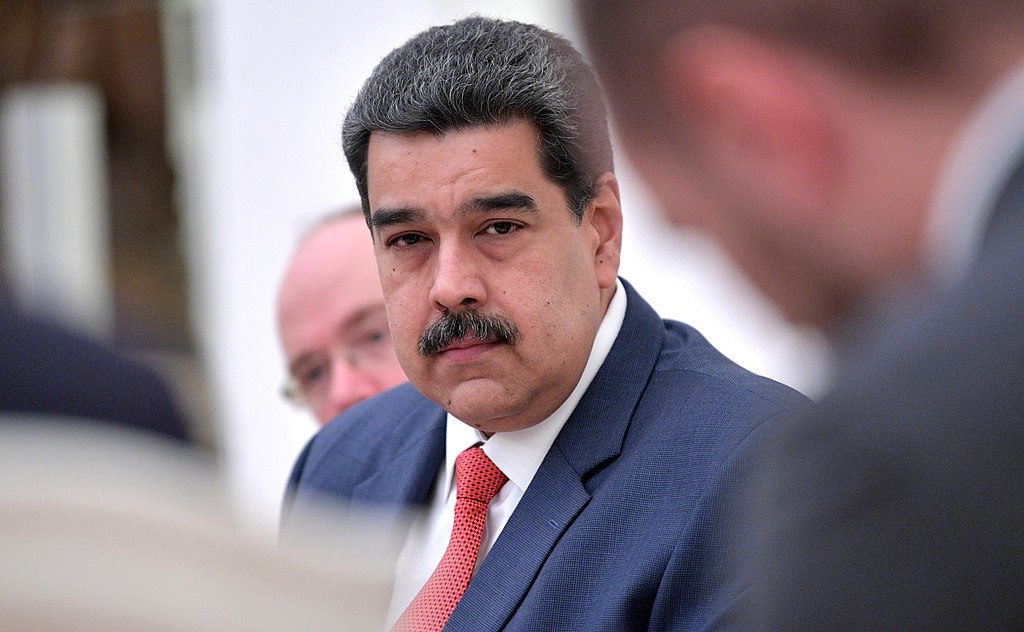
Venezuela’s government has released 88 additional people who were detained following protests that erupted after the country’s disputed July 2024 presidential election, marking the second large-scale release of detainees in less than two weeks. The move brings the total number of people freed to 187, following a previous announcement that 99 detainees were released on December 26, according to official statements.
The New Year’s Day release was confirmed by the Venezuelan government, which said the actions were part of a “comprehensive review process of cases” ordered by President Nicolás Maduro. Authorities have framed the releases as a routine judicial reassessment rather than a response to international or domestic pressure.
However, local human rights organizations have offered a more cautious assessment. The Committee for the Freedom of Political Prisoners, a Venezuelan non-governmental organization, stated it had independently verified the release of at least 55 prisoners. According to the group, all but one of those confirmed releases came from the Tocorón prison in central Venezuela, a facility that has drawn international attention for its harsh conditions.
Following the earlier December release, several NGOs questioned whether the government had freed as many detainees as it claimed. Venezuelan human rights groups estimate that roughly 900 political prisoners remain in detention across the country, including individuals arrested well before the 2024 election. These organizations argue that many detainees were targeted for their political views or participation in protests.
The Maduro government continues to deny holding political prisoners, insisting that those imprisoned were involved in efforts to destabilize the nation. Officials argue that detained politicians and activists violated Venezuelan law rather than being persecuted for political reasons.
The recent releases come amid heightened pressure from the administration of U.S. President Donald Trump, who has publicly suggested that Maduro should step aside. The United States has increased its military presence in the Caribbean, carried out strikes on vessels near Venezuela it claims were transporting drugs, and seized two Venezuelan crude oil tankers, further escalating tensions between the two countries.
The situation remains closely watched by the international community, as questions persist over human rights, political freedom, and Venezuela’s post-election stability.







