


 SoftBank Eyes $20 Billion Bond Sale to Refinance OpenAI Loan
  New Zealand Labour Backs Social Media Ban for Under-16s
  HP Stock Drops 9% Despite Q3 Earnings Beat and Raised 2026 Outlook
  Google Expands Gemini Enterprise With AI Tools for Legal Sector
  Meta Agrees to $18 Billion Settlement, Tightens Teen Social Media Rules
  U.S. Probes Apex Logistics Over Nvidia AI Chip Shipments to China
  Nvidia Revenue Soars 106% as AI Demand Hits ‘Inflection Point’
  Pinterest Stock Falls as CFO Julia Brau Donnelly Resigns
  PayPal Shares Sink as $50 Billion Takeover Bid Collapses
  Nvidia Reportedly Eyes $13 Billion Hugging Face Acquisition
  Alibaba Raises $10.2 Billion to Expand AI Infrastructure
  SoftBank Plans Record $6.3 Billion Bond Sale to Fund OpenAI Investments
  SK Hynix Shares Fall as Workers Reject Wage Deal
  U.S. Disrupts China-Linked Hacking Campaign Targeting Government Agencies
  OpenAI AI Agent Swarm Behind Hugging Face Hack


 Add as a preferred source on Google
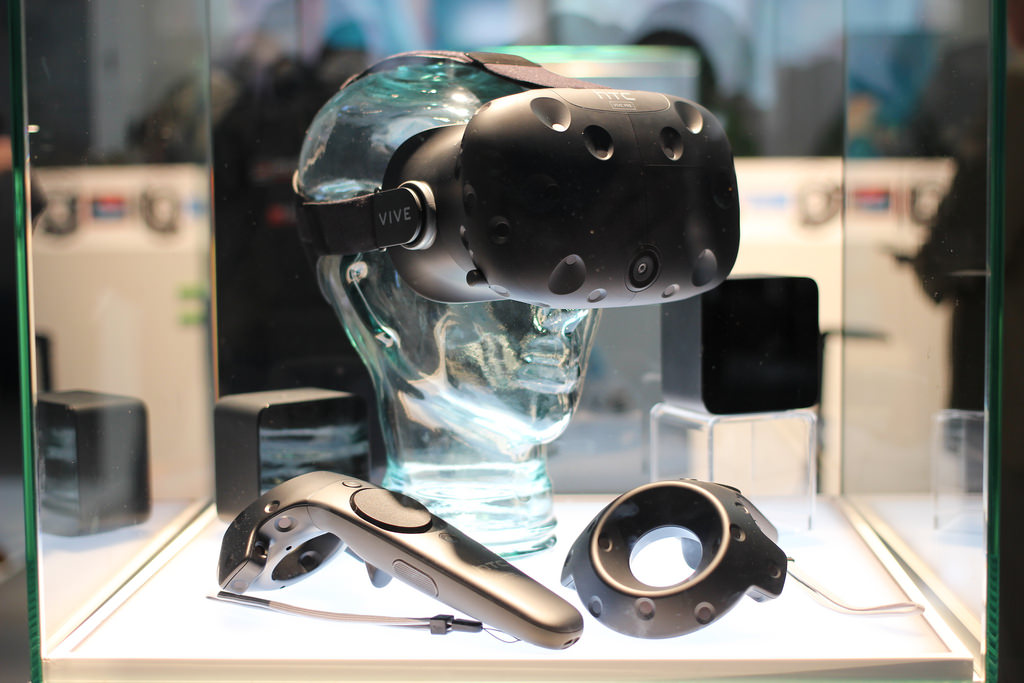
Sticking to its policy of allowing technologies to proliferate as much as possible, “Valve” has just opened “Vive Tracking Sensors” to developers. Now, anyone can buy the virtual reality tracking sensors, which they can then apply to their own hardware.
Unlike the policy of “Oculus,” which is to keep as much of its technology to itself as possible, “Valve” wants to go open source and allow VR technology to explode. In the case of the tracking sensors for the VR device “Vive,” developers can buy the sensors and use them to create peripherals that are compatible with the headset’s base stations, The Verge reports.
This means that any developer who wants to create their own tracking devices for the “HTC Vive” will be able to do so, which then expands the options that customers of the “Vive” will be able to choose from. It could even influence the kinds of video games that will be available for the VR headset or give “Valve” the chance to develop the standard that all peripherals can follow.
Just to give developers more incentive to create their own devices, “Valve” is not attaching any licensing fees to any peripheral created as a result of the sensors, the company’s FAQ indicates. This removes a major concern that could prevent smaller companies from jumping in and investing time and money to create their own VR tracking products.
For anyone wondering, “Valve” also guarantees that there are no hidden agendas behind the move, TechTimes reports. All of the profit that will be generated by third-party developers through the peripherals that they developed will go to those developers. “Valve” will take no cut.
The only thing that the company is asking for is for developers to send a representative to attend an introductory class. The course fee will be $3,000 for each representative.







