


 Israel Eyes Litani River as New Border Amid Escalating Lebanon Offensive
  Jay Bhattacharya to Continue Leading CDC as White House Searches for Permanent Director
  Cuba Receives Humanitarian Aid Convoy Amid U.S. Sanctions
  US Accelerates Taiwan Arms Deliveries Amid Rising China Threat
  U.S. Deploys Elite 82nd Airborne Troops to Middle East Amid Iran Tensions
  Trump Backs Down on Iran Strikes After Gulf Allies Sound the Alarm
  Trump to Visit China in May for High-Stakes Xi Summit Amid Iran War
  US-Iran Ceasefire Talks Underway: What You Need to Know
  Iran Demands Lebanon Be Part of Any Ceasefire Deal With Israel and the U.S.
  Trump Administration Settles Lawsuit Barring Federal Agencies from Pressuring Social Media Censorship
  Russia-Iran Military Alliance Deepens With Drone Shipments Amid Middle East Tensions
  Trump Administration Opens Two New Investigations Into Harvard Over Discrimination and Antisemitism
  Trump Seeks Quick End to U.S.-Iran Conflict Amid Ongoing Middle East Tensions
  ICE Arrest of Guatemalan Woman at San Francisco Airport Sparks Outrage
  Trump Says Iran Offered Major Energy Concession Amid Ongoing Negotiations
  Denmark Election 2026: Frederiksen Eyes Third Term Amid Trump-Greenland Tensions
  Taiwan Arms Deal on Track Despite U.S.-China Summit Uncertainty


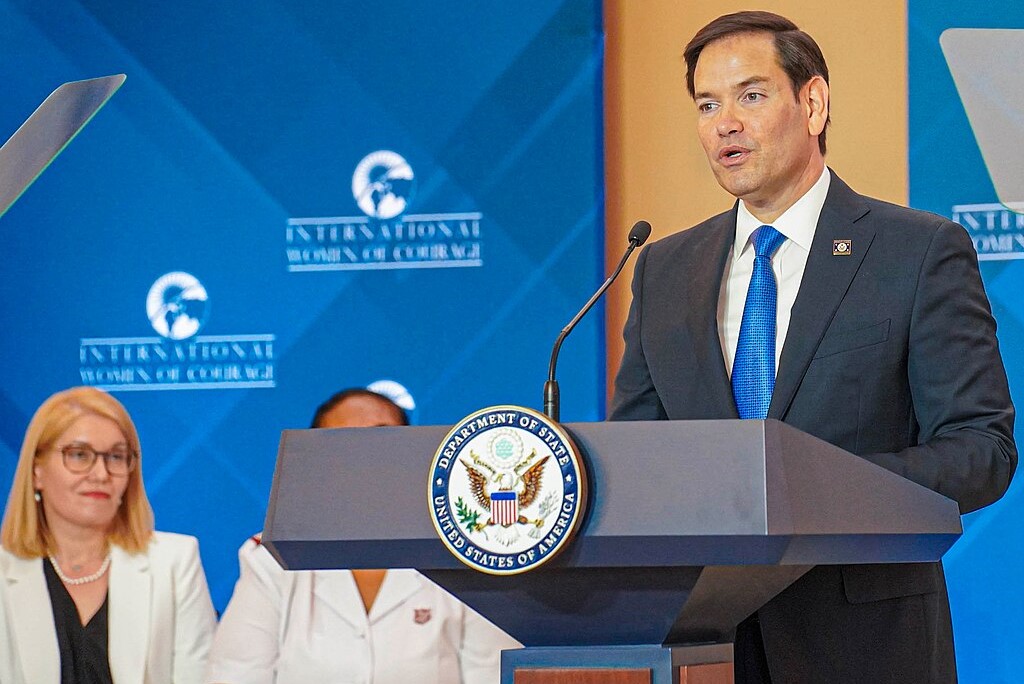
The United States and Ukraine announced they have developed an “updated and refined peace framework” designed to end the ongoing war with Russia, revising an earlier proposal from the Trump administration that many in Kyiv and Europe believed leaned too heavily in Moscow’s favor. The joint statement followed high-level discussions in Geneva, where both sides described the talks as “highly productive,” though many critical details remain unresolved—particularly security guarantees to protect Ukraine from future Russian aggression.
U.S. Secretary of State Marco Rubio, who led the American delegation, said significant progress was made on narrowing differences within the 28-point peace plan backed by President Donald Trump. He noted that key issues—such as NATO’s future role—still need further negotiation but emphasized that the talks marked a major step forward. However, Trump recently complained that Ukraine had shown “zero gratitude,” prompting Ukrainian officials, including President Volodymyr Zelenskiy, to publicly reiterate their appreciation for U.S. support.
European officials have presented an alternative version of the plan that rejects strict limits on Ukraine’s military and resists territorial concessions. Their proposal calls for Ukraine to retain a more substantial defense force and for any land-swap discussions to begin from current front-line positions rather than predetermined maps favoring Russia.
Trump has given Zelenskiy until Thursday to respond to the U.S. plan, which requires Ukraine to cede territory, scale back its armed forces, and drop its NATO ambitions—demands many Ukrainians view as unacceptable after nearly four years of devastating conflict. Rubio acknowledged additional time may be needed, and U.S. and Ukrainian officials are considering a potential visit by Zelenskiy to Washington to address the most sensitive issues, including territorial negotiations.
The debate comes at a critical moment for Ukraine, which faces intensifying Russian assaults, severe infrastructure damage from relentless missile strikes, and growing domestic pressure following a major corruption scandal. Although recent U.S. sanctions have strained Russia’s oil revenues and Ukrainian drone strikes have hit key facilities, the draft peace plan risks shifting diplomatic leverage back toward Moscow at a time when Kyiv remains heavily dependent on U.S. intelligence and military aid.













