


 Gold Prices Surge on U.S.-Iran Ceasefire Reports
  U.S. Oil Prices Slide as Middle East Ceasefire Talks Spark Market Optimism
  Trump Tariffs Show Minimal Economic Impact but Boost Federal Revenue, Study Finds
  UK Consumer Confidence Weakens Amid Middle East Conflict and Rising Living Costs
  U.S. Futures Slide as Iran Denies Nuclear Talks with Washington
  Australia-EU Free Trade Deal Signed After Years of Negotiations
  Federal Reserve Balance Sheet Reduction: Brookings Research Outlines Possible Path Forward
  Bank of Japan Officials Signal Continued Interest Rate Hikes Amid Inflation Concerns
  Currency Markets Show Caution Amid U.S.-Iran Negotiations
  Australia's Inflation Eases in February but Core Pressures Persist
  Bank of Japan Eyes April Rate Hike Despite Inflation Dip, ING Says
  Iran-Israel Missile Strikes Continue Amid Mixed Signals on U.S.-Iran Diplomacy
  WTO Reform Talks Begin in Cameroon Amid Global Trade Tensions
  Gold Prices Climb as Middle East Ceasefire Talks Stir Market Optimism
  Suspicious Oil Market Trades Precede Trump's Iran Peace Post by 15 Minutes
  Asian Markets Rally as Oil Prices Tumble and Middle East Peace Hopes Emerge


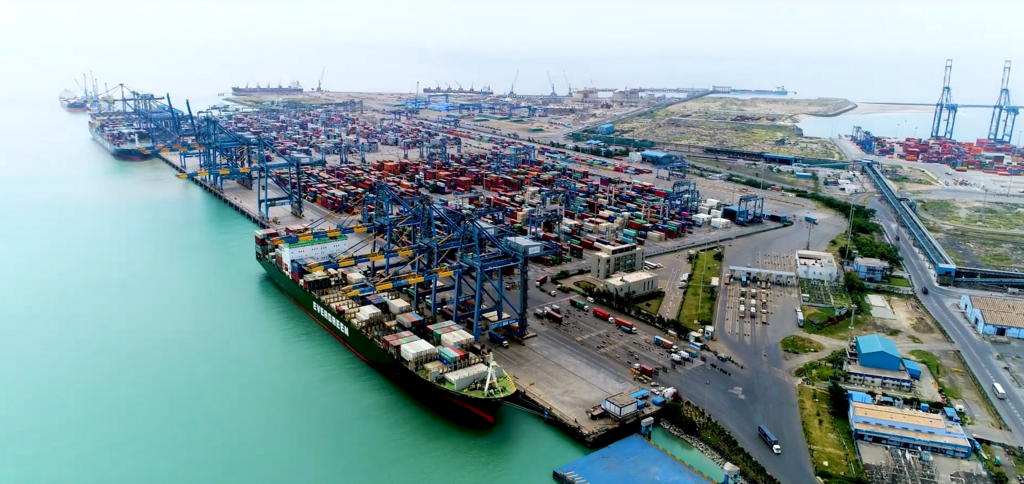
India’s trade ties with the United States have grown steadily, yet major growth potential remains untapped across key product categories. In 2024, the U.S. exported $1.7 trillion in goods globally, while India imported $601 billion in those same top 50 U.S. product categories. However, only $36 billion—around 6%—came from the U.S., signaling a significant trade gap.
Some U.S. products already see strong market penetration in India, including aircraft, fruits, surgical instruments, alcohol, and paper, each making up over 15% of India’s import share from the U.S. These goods benefit from existing supply chains and are likely to be focal points in future trade agreements.
Despite this, the U.S. remains underrepresented in India’s largest import segments such as automobiles, auto parts, crude oil, cereals, and agriculture. Analysts see these as high-growth areas if trade barriers, particularly tariffs, are reduced. The average tariff on the top 50 U.S. export items to India is about 17%, more than double India’s overall average of 7.5%, hindering competitiveness—especially compared to nations like Vietnam and Indonesia.
India’s recent move to lower tariffs on U.K. car imports to 10% could set a benchmark for similar U.S. trade deals. Still, challenges persist, including India’s minimum support price policies and production-linked incentives, both contentious in past trade discussions.
With U.S. firms embracing the “China+1” strategy to diversify supply chains, India stands to benefit. However, its share of U.S. imports lags behind China, Mexico, and Vietnam. Notably, India is becoming more competitive in sectors like apparel, pharmaceuticals, jewelry, and mobile phones—offering hope for deeper trade integration if strategic barriers are addressed.













