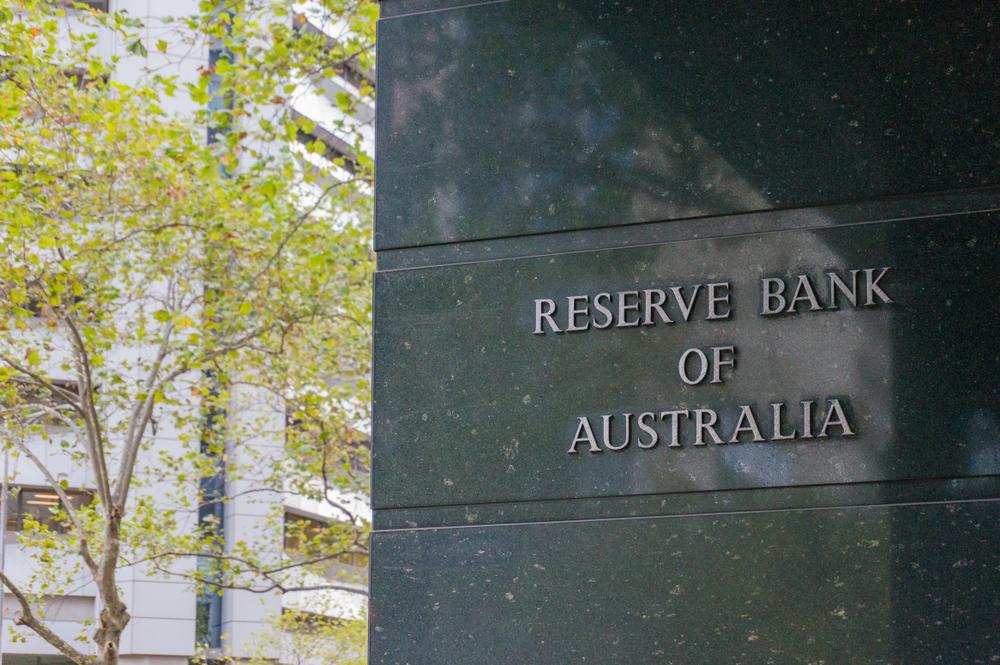
Reserve Bank of Australia policymakers considered raising interest rates by 25 basis points at their August meeting as concerns over persistent inflation competed with signs of weakening economic activity, according to meeting minutes released Tuesday.
The RBA’s nine-member monetary policy board ultimately voted unanimously to keep the cash rate unchanged at 4.35%. Policymakers concluded that monetary policy was already restrictive enough to curb demand and opted to wait for additional inflation, employment and housing data before considering further tightening.
Headline inflation eased to 3.9% in the June quarter, significantly below the RBA’s previous 4.8% forecast. However, much of the decline reflected lower fuel and travel costs rather than broad-based relief in underlying inflation.
Inflation also remains above the central bank’s 2% to 3% target range. Officials identified several potential sources of renewed price pressure, including higher oil prices stemming from Middle East tensions, businesses passing increased costs to consumers, stronger AI and data-centre investment, resilient household spending and weak productivity growth.
The RBA expects trimmed mean inflation to remain above 3% until around mid-2027 before gradually declining toward 2.5%. Some policymakers therefore argued that an earlier rate hike could reduce the risk of inflation accelerating again.
However, economic weakness supported the case for keeping rates steady. Labour-market conditions have softened more than expected, although the RBA still considers employment conditions relatively tight. Unemployment is projected to gradually increase to 4.8% by the end of 2028.
Australia’s housing market has also cooled, with national home prices falling about 1.5% from their March peak. Demand for new housing loans has weakened considerably, particularly among property investors.
The RBA expects economic growth to slow through 2026 as weaker household incomes, softer housing conditions and previous interest rate increases weigh on demand.
Markets currently see limited odds of an immediate RBA rate hike. Futures indicate roughly a 13% probability of a 25-basis-point increase to 4.60% at the September 28-29 meeting, with the probability rising to around 67% by February.