


 California Court Dismisses Trump Administration Lawsuit Against Los Angeles Sanctuary Policy
  Google promotes ‘teacher approved’ apps for kids. Here’s what parents should know
  Colombia Opens New Investigation Into Former President Álvaro Uribe Over Paramilitary Allegations
  DOJ Seeks Dismissal of Fraud Charges Against Gautam Adani in U.S. Court
  The Beauty Beneath the Expressway: A Journey from Self to Service
  Can your cat recognise you by scent? New study shows it’s likely
  Trump Orders DOJ Investigation Into Exxon, Chevron Over High Gas Prices
  Disaster or digital spectacle? The dangers of using floods to create social media content
  US Appeals Court Limits ICE Detention Without Bond Hearings After 90 Days
  Bayer Wins Major U.S. Supreme Court Roundup Lawsuit, Shares Surge
  DOJ Opens Investigation Into NYC Coffee Shop Over Anti-Goldman Social Media Post
  Columbia Student Mahmoud Khalil Fights Arrest as Deportation Case Moves to New Jersey
  Texas Man Charged After Fatal Tesla Full Self-Driving Crash in Katy
  Trump Threatens ABC News Lawsuit Over Lincoln Memorial Reflecting Pool Coverage
  In a rebuke to Trump, the Supreme Court rules that birthright citizenship is the law of the land
  Sara Duterte Impeachment Trial Opens, Putting 2028 Philippine Election in Focus


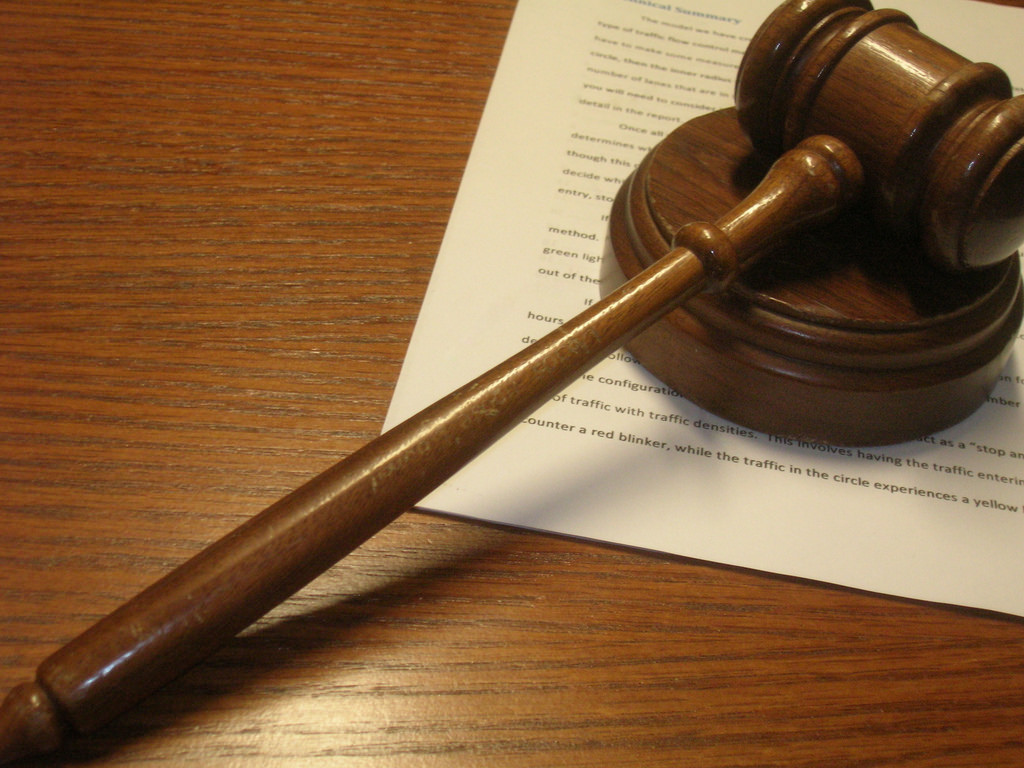
A civil judgment issued against you can wreak havoc on your credit for years to come. The three major credit bureaus not only present civic judgments on credit reports, but the arbiters of credit also ensure your failure to pay a creditor weighs heavily against you in the pursuit of loan or credit card. No other factor damages your credit score more than a civil judgment.
Civil Judgments Defined
Credit reports rarely include criminal information, but civil judgments, such as child support and alimony cases, appear often on the three most influential credit bureau reports. Civil judgments represent financial rulings against you that involve non-criminal charges. The results of civil judgments do not land on credit bureau files directly, but instead, a judgment on a credit report displays publicly in a court record. Credit bureaus review court records to obtain information that pertains to your credit history.
The Impact of Civil Judgment on Credit Report
The record of a civil judgment against you on your credit report typically causes more financial damage than the financial damage caused by a loan default of similar monetary value. When you apply for and receive a loan for a car or home, you voluntarily seek additional financial resources for the purchase of a high ticket product. On the other hand, a civil judgment indicates the consequence of you failing to fulfill a financial obligation, which the three major credit bureaus consider a significant financial flaw. In fact, a civil judgment against you appears much faster on your credit report than the time that it takes to for a credit report to include a loan default.
How Long Does Your Credit Suffer from a Judgment?
Like most hits to a credit report, a judgment can negatively influence a credit score for up to seven years. Although a judgment has more of a negative impact on your credit score than the negative impact of a credit card default, the maximum amount of time a judgment remains in your credit report is the same as any financial default. If you cannot remove a civil judgment from your credit report, you can expect to have a difficult time receiving a car loan, mortgage, or even a credit card at a ridiculously high interest rate. You can pay off a civil judgment before the end of seven years, but judgment still plays a significant factor in lowering your credit score.
The best advice for consumers faced with a civil judgment is to try to settle the case, before it ends up in the hands of litigators.
This article does not necessarily reflect the opinions of the editors or management of EconoTimes







