


 Iran-U.S. Negotiations: Tehran Reviews American Peace Proposal Amid Ongoing Gulf Conflict
  Iran-Israel Missile Strikes Continue Amid Mixed Signals on U.S.-Iran Diplomacy
  Trump Administration Opens Two New Investigations Into Harvard Over Discrimination and Antisemitism
  Trump's Overhaul of American History: Museums, Monuments, and Cultural Institutions
  Maduro Faces Rare Narcoterrorism Charges in U.S. Court
  Bachelet Pushes Forward With UN Secretary-General Bid Despite Chile's Withdrawal
  Iran Demands Lebanon Be Part of Any Ceasefire Deal With Israel and the U.S.
  Israel Eyes Litani River as New Border Amid Escalating Lebanon Offensive
  Russia-Iran Military Alliance Deepens With Drone Shipments Amid Middle East Tensions
  Trump Votes by Mail Despite Calling It "Cheating" as Democrat Wins Mar-a-Lago District
  Jay Bhattacharya to Continue Leading CDC as White House Searches for Permanent Director
  Cuba Receives Humanitarian Aid Convoy Amid U.S. Sanctions
  Taiwan Arms Deal on Track Despite U.S.-China Summit Uncertainty
  Pakistan's Diplomatic Rise: Mediating U.S.-Iran Peace Talks
  U.S.-Iran Peace Talks Gain Momentum Amid Ongoing Conflict
  Kristi Noem Ends Western Hemisphere Tour in Diminished Role After DHS Firing
  Denmark Election 2025: Social Democrats Suffer Historic Losses Amid Migration and Cost-of-Living Tensions


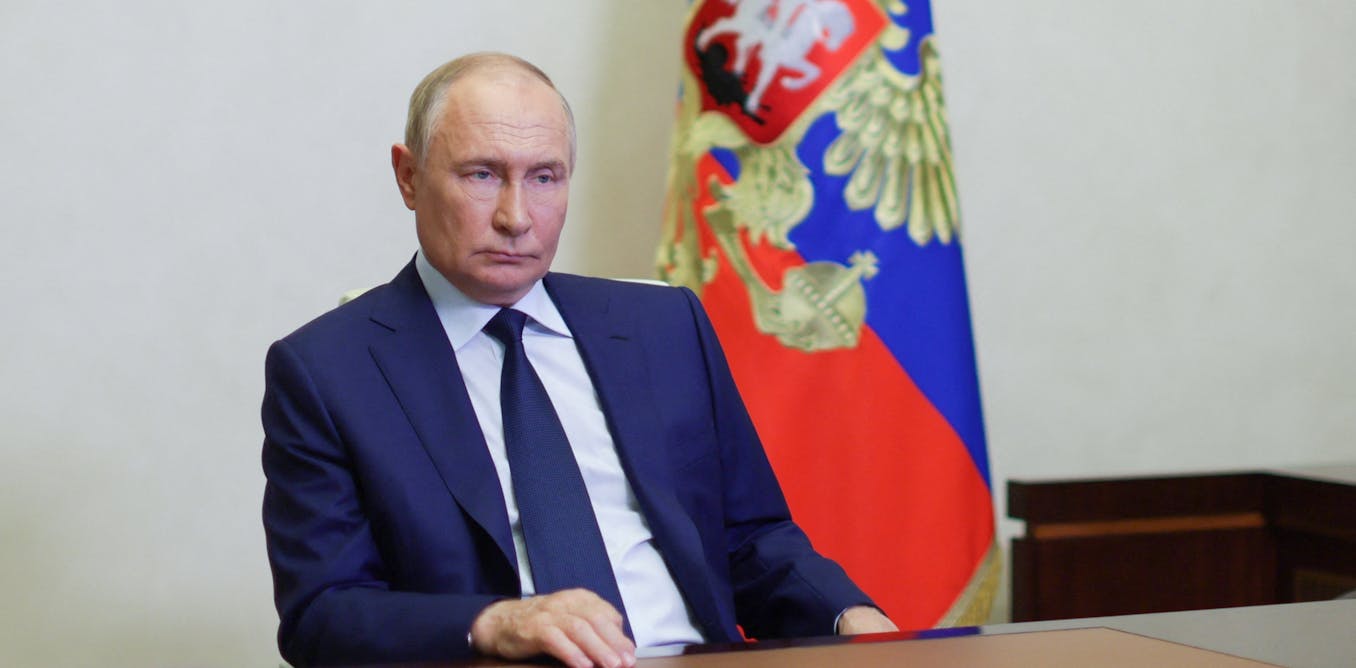
Russian President Vladimir Putin declared a surprise 30-hour Easter ceasefire in Ukraine from 6 p.m. Moscow time on Saturday to midnight Sunday. He cited humanitarian reasons and urged Ukraine to follow suit, while instructing Russian troops to remain alert for provocations. However, Ukraine dismissed the truce as insincere and reported continued Russian attacks.
Ukrainian President Volodymyr Zelenskiy criticized the move, recalling Russia’s recent rejection of a U.S.-proposed 30-day ceasefire brokered by Donald Trump. Zelenskiy said Russian artillery fire persisted, especially in the border regions of Kursk and Belgorod, where Ukraine has launched counterattacks. He stressed that Russia's words cannot be trusted, noting air raid sirens and drone activity continued in Kyiv even after the truce was announced.
Ukraine's top commander, Oleksandr Syrskyi, confirmed that Russian assault operations were ongoing. The governor of Kherson province also reported continued shelling, posting images of damaged buildings. Despite Moscow’s ceasefire claims, many Ukrainians, including Kyiv residents, expressed deep skepticism based on past experiences.
The EU and UK echoed Ukraine’s concerns, urging Russia to show genuine intent through actions, not just statements. Meanwhile, Russian envoy Kirill Dmitriev promoted the truce online as “one step closer to peace,” despite ongoing hostilities.
This unilateral move follows a deadly Russian missile strike in Sumy that killed 35 civilians and injured nearly 120 during Palm Sunday celebrations. While U.S. officials hinted at abandoning peace efforts without progress, Trump has signaled a shift in U.S. policy, aiming for a swift resolution and openness to Moscow’s perspective.
Ukraine has stated it would consider extending a true ceasefire beyond Easter if Russia fully halts hostilities. So far, reports indicate that has not happened.













