


 South Korea Assures U.S. on Trade Deal Commitments Amid Tariff Concerns
  Silver Prices Plunge in Asian Trade as Dollar Strength Triggers Fresh Precious Metals Sell-Off
  Dollar Near Two-Week High as Stock Rout, AI Concerns and Global Events Drive Market Volatility
  Singapore Budget 2026 Set for Fiscal Prudence as Growth Remains Resilient
  U.S.-India Trade Framework Signals Major Shift in Tariffs, Energy, and Supply Chains
  Russian Stocks End Mixed as MOEX Index Closes Flat Amid Commodity Strength
  Bank of Japan Signals Readiness for Near-Term Rate Hike as Inflation Nears Target
  Dollar Steadies Ahead of ECB and BoE Decisions as Markets Turn Risk-Off
  South Africa Eyes ECB Repo Lines as Inflation Eases and Rate Cuts Loom
  Japanese Pharmaceutical Stocks Slide as TrumpRx.gov Launch Sparks Market Concerns
  Thailand Inflation Remains Negative for 10th Straight Month in January
  Trump Lifts 25% Tariff on Indian Goods in Strategic U.S.–India Trade and Energy Deal
  China Extends Gold Buying Streak as Reserves Surge Despite Volatile Prices
  RBI Holds Repo Rate at 5.25% as India’s Growth Outlook Strengthens After U.S. Trade Deal
  Global Markets Slide as AI, Crypto, and Precious Metals Face Heightened Volatility
  Asian Stocks Slip as Tech Rout Deepens, Japan Steadies Ahead of Election
  U.S. Stock Futures Slide as Tech Rout Deepens on Amazon Capex Shock


The US will tighten restrictions to prevent Huawei Technologies Co from obtaining semiconductors without a special license, including those made by foreign firms that have been developed or produced with US software or technology.
There would also be another 38 Huawei affiliates in 21 countries added to the US economic blacklist, raising the total to 152 affiliates since May 2019.
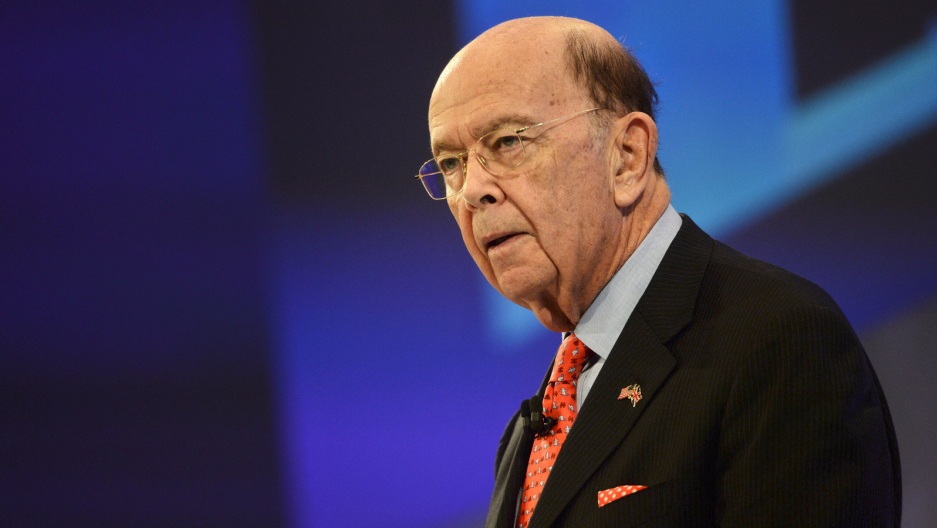
US Commerce Secretary Wilbur Ross said that restrictions on Huawei-designed chips imposed in May prompted "evasive measures" as Chinese firms were "going through third parties."
He emphasized that the use of American software or American fabrication equipment is banned and requires a license.
Secretary of State Mike Pompeo pointed out that they would prevent Huawei from circumventing US law via alternative chip production and off-the-shelf chips."
Ross said they are covering "off-the-shelf designs" that Huawei may purchase from a third-party design house.
Huawei's HiSilicon division relied on US companies such as Cadence Design Systems Inc and Synopsys Inc to design its chips and outsourced the production to Taiwan Semiconductor Manufacturing Co, which uses equipment from US companies.
TSMC has said it will not ship wafers to Huawei after Sept. 15.
A separate rule requires blacklisted companies to obtain a license when a company like Huawei is an intermediate purchaser, end-user, consignee, and ultimate consignee.
The department will not extend a temporary general license that expired Friday for Huawei users, who must now submit license applications for previously-authorized transactions.
However, a limited permanent authorization will be given to Huawei entities to allow security research for maintaining the integrity and reliability of networks and equipment.
The US is persuading governments worldwide to squeeze Huawei out for handing over data to the Chinese government for spying.













