


 China Holds Loan Prime Rates Steady for 14th Month as Economic Recovery Remains Uneven
  Singapore Central Bank’s Exchange Rate Policy Explained: Why MAS Uses the S$NEER Instead of Interest Rates
  BOJ Expected to Hold Rates Steady While Signaling More Hikes Ahead
  BOJ Rate Decision in Focus as Sticky Inflation, Weak Yen Shape USD/JPY and Nikkei Outlook
  South Korea Raises Interest Rates to 2.75% as Inflation and Weak Won Drive Tightening
  RBI Holds Repo Rate at 5.25% as Inflation Risks and Global Uncertainty Persist


The current US budget expires on 30 September and three possible scenarios loom. In the best case, a new budget is agreed running until 30 September 2015. More likely, however, is that a continuing resolution will be passed; kicking the can down the road to 11 December. Worst case, no agreement is found and the US government shuts down on 1 October. Preparing for all eventualities, agencies have already submitted contingency plans in the event of a shutdown.
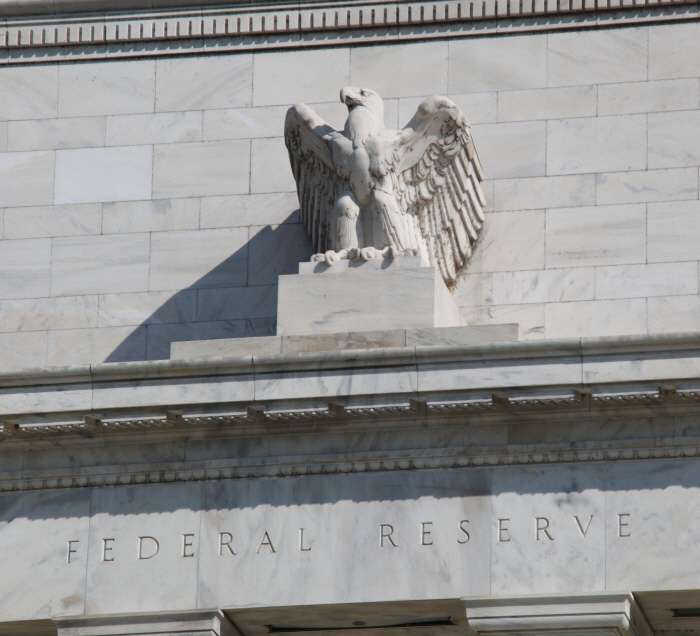
In a surprise twist, House of Representatives Speaker, John A. Boehner, announced his resignation Friday (leaving on 30 October). While a number of observers believe that this resignation increases the chances of a continuing resolution being agreed before 1 October and keeping the government open until 11 December, some fear that more fervent battles lie ahead. Come December, the issue of the debt ceiling will also hit the tapes as the Treasury by then is likely to have run out of "extraordinary measures" to avoid breaching the debt ceiling (at $18.113tn since 16 March 2015). The FOMC meet on 15- 16 December and if the fiscal issues are not resolved by then, this could add to the difficulties in terms of the "lift-off" debate. At present, markets price a probability of 42% for a December lift-off and just 18% for an October one.

- News

- Economy

- Central Banks
- Investing
- Research
- Roundups
- Digital Currency
- Insights
- Technical Analysis
- Technology
- Business
- Law
- Health
- Nature
- Fintech
- Science
- Topic
- Opinions
- ©Econometrics LLC . All Rights Reserved.
US shutdown and debt ceiling issues could derail the Fed
Sunday, September 27, 2015 10:17 PM UTC
Editor's Picks



- Market Data
Most Popular




