


 Jay Bhattacharya to Continue Leading CDC as White House Searches for Permanent Director
  Bachelet Pushes Forward With UN Secretary-General Bid Despite Chile's Withdrawal
  Maduro Faces Rare Narcoterrorism Charges in U.S. Court
  Cuba Receives Humanitarian Aid Convoy Amid U.S. Sanctions
  G7 Foreign Ministers Gather in France Amid Global Tensions and U.S. Policy Uncertainty
  Denmark Election 2026: Frederiksen Eyes Third Term Amid Trump-Greenland Tensions
  Kristi Noem Ends Western Hemisphere Tour in Diminished Role After DHS Firing
  U.S.-Iran Peace Talks Gain Momentum Amid Ongoing Conflict
  Trump Votes by Mail Despite Calling It "Cheating" as Democrat Wins Mar-a-Lago District
  US Accelerates Taiwan Arms Deliveries Amid Rising China Threat
  Trump Administration Settles Lawsuit Barring Federal Agencies from Pressuring Social Media Censorship
  Russia-Iran Military Alliance Deepens With Drone Shipments Amid Middle East Tensions
  U.S. Deploys Elite 82nd Airborne Troops to Middle East Amid Iran Tensions
  Trump Backs Down on Iran Strikes After Gulf Allies Sound the Alarm
  US-Iran Ceasefire Talks Underway: What You Need to Know
  Taiwan Arms Deal on Track Despite U.S.-China Summit Uncertainty
  Trump Says Iran Offered Major Energy Concession Amid Ongoing Negotiations


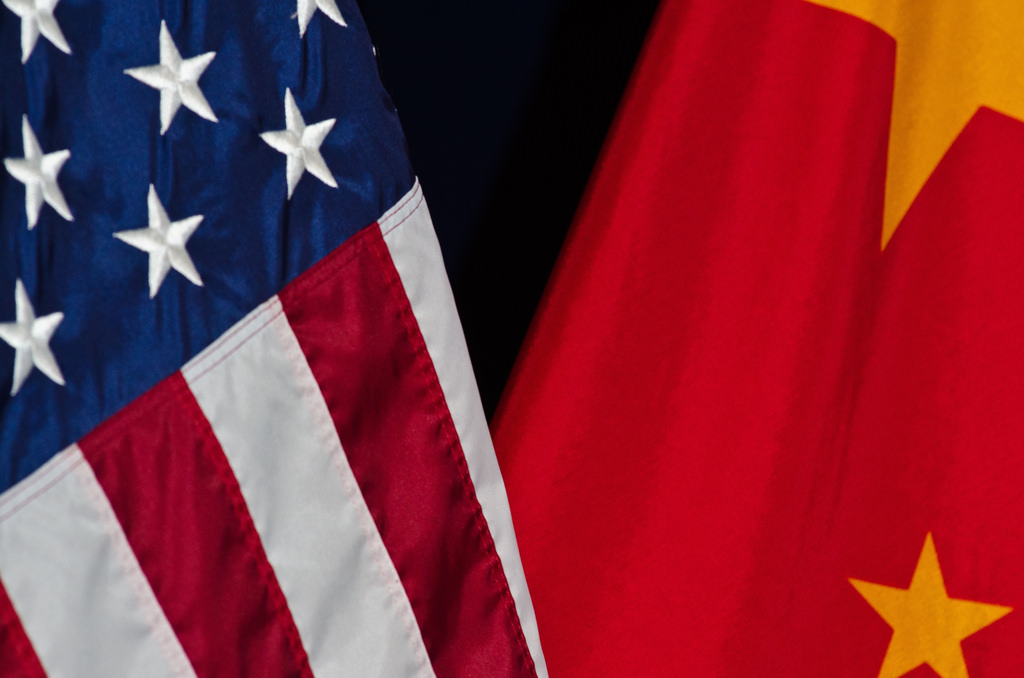
The United States and China took a cautious but meaningful step toward rebuilding military communication channels this week, as naval representatives from both nations met for several days of maritime security discussions in Hawaii. According to an official statement shared on the People’s Liberation Army Navy’s social media account, the working-level meetings were held from November 18 to 20 and were described as “frank and constructive,” signaling a modest thaw in tensions after months of strained relations and trade-related friction.
During the talks, officials exchanged perspectives on the current maritime and air security climate between the world’s two largest powers. While neither side disclosed detailed agenda points, the PLA Navy emphasized that the discussions centered on improving mutual understanding, strengthening crisis-management mechanisms, and reducing the risk of miscalculations at sea or in the air. These conversations are seen as part of a broader effort to gradually restore high-level military-to-military communication channels that had been limited in recent months.
The renewed dialogue comes at a time when Washington and Beijing continue to navigate disputes over trade, technology access, and regional security flashpoints, including activity in the South China Sea and near Taiwan. Analysts note that both countries recognize the strategic importance of keeping communication pathways open to prevent incidents that could escalate into broader conflict. By resuming these consultations, the U.S. and China appear to be signaling a shared interest in stabilizing the relationship and managing competition responsibly.
Although the meetings in Hawaii did not yield immediate policy changes, they reflect an incremental confidence-building measure aimed at reducing operational risks and improving transparency between the two militaries. The commitment to engage in ongoing dialogue suggests that both sides see value in maintaining regular contact, especially in sensitive maritime and airspace environments where encounters are frequent. As global attention remains fixed on U.S.–China relations, the continuation of such discussions will play a key role in shaping regional security dynamics and fostering a more predictable bilateral relationship.













